

Selecting the right industrial fire hydrant valves is vital for ensuring safety in high-risk environments. These valves, including high pressure hydrant valves, play a crucial role in delivering consistent water flow under high pressure, which is essential for effective firefighting. Compliance with regulations like NFPA 24 enhances operational readiness and minimizes fire risks, making fire hydrant valve quality a key consideration. Additionally, understanding landing valve specifications and choosing a reliable brass fire valve manufacturer can further ensure the durability and reliability of your fire fighting equipment. It’s also important to consider corrosion resistant fire valves to maintain performance over time.
Key Takeaways
- Choose the right material for fire hydrant valves to ensure durability and effectiveness. Brass and bronze offer excellent corrosion resistance, while stainless steel provides exceptional strength.
- Select the appropriate valve size and flow capacity to guarantee sufficient water supply during emergencies. Consult with fire protection engineers to determine the best fit for your system.
- Ensure compatibility between fire hydrant valves and existing system components. Proper integration prevents leaks and inefficiencies, enhancing overall system performance.
Material and Construction of Fire Fighting Equipment
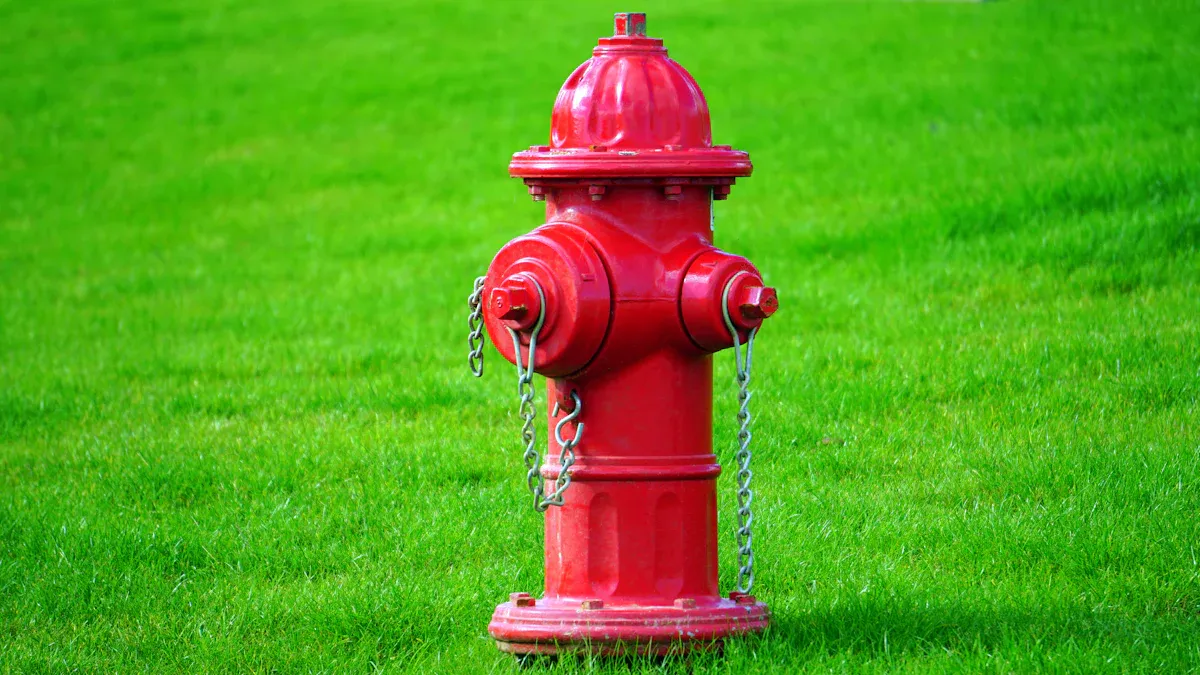
The material and construction of fire fighting equipment significantly influence its performance and longevity. Selecting the right materials for industrial fire hydrant valves ensures durability and effectiveness in emergency situations. Common materials used in these valves include:
| Material | Key Properties | Advantages | Disadvantages |
|---|---|---|---|
| Brass and Bronze | Excellent corrosion resistance and durability. | Minimal maintenance, ideal for high temperatures. | Can be more expensive than other materials. |
| Stainless Steel | Exceptional strength and rust resistance. | Long-lasting, low maintenance. | Higher upfront cost. |
| Plastic | Lightweight and cost-effective. | Practical for residential systems. | Less durable, not suitable for high pressure. |
| Ductile Iron | Enhances strength and flexibility. | Highly durable, resists cracking. | More expensive due to manufacturing complexity. |
| Cast Iron | Contributes to brittleness. | Cost-effective, strong for many applications. | Less ductile, prone to cracking under pressure. |
Choosing the right material affects corrosion resistance and longevity in industrial environments. For instance, bronze is favored for its excellent resistance in harsh conditions like high humidity and salinity. Brass, while cost-effective, may not perform well in aggressive environments. DZR brass offers enhancements for moist areas, while nickel-aluminum bronze provides additional protection in highly corrosive settings.
Selecting the appropriate material for fire fighting equipment is crucial. It directly impacts the valve’s reliability and effectiveness during emergencies.
Valve Size and Flow Capacity

Selecting the appropriate valve size and flow capacity is crucial for effective fire fighting. The size of the valve directly influences the volume of water that can flow through it. A well-chosen valve ensures that firefighters can access sufficient water during emergencies.
Key Considerations for Valve Size:
-
Hydraulic Calculations: Engineers often perform hydraulic calculations to determine the required flow rate. These calculations help identify the necessary valve size to meet specific firefighting needs.
-
Standard Sizes: Fire hydrant valves typically come in standard sizes, such as 2.5 inches, 4 inches, and 6 inches. Each size corresponds to different flow capacities, which can range from 250 to over 1,500 gallons per minute (GPM).
-
System Requirements: The existing fire protection system dictates the valve size. For instance, larger facilities may require bigger valves to accommodate higher flow rates.
-
Pressure Loss: Larger valves can reduce pressure loss in the system. This factor is vital for maintaining adequate water pressure during firefighting operations.
Tip: Always consult with fire protection engineers when selecting valve sizes. They can provide insights based on the specific requirements of the facility.
Choosing the right valve size and flow capacity is essential for ensuring that fire fighting equipment operates effectively. Proper selection enhances safety and compliance in industrial environments.
Compatibility with System Components
Ensuring compatibility between fire hydrant valves and existing fire protection system components is essential. A seamless fit with hydrant connections, hoses, and other accessories prevents leaks and inefficiencies in the overall system. When selecting valves, professionals must consider several factors to achieve optimal compatibility.
Key Factors to Consider:
- Connection Types: Verify that the valve connections match the existing system. Mismatched connections can lead to significant issues during emergencies.
- Hose Compatibility: Ensure that hoses fit securely with the valves. Incompatible hoses may cause water flow disruptions.
- Accessory Integration: Assess the compatibility of additional components, such as nozzles and adapters. Proper integration enhances overall system performance.
Mismatched fire hydrant valves and system components can severely affect fire suppression system performance. Potential issues include:
- Inefficiencies in water flow and pressure regulation, critical for effective firefighting.
- Valve sticking and corrosion, which can worsen system performance.
- Increased maintenance needs, as regular inspections become essential to prevent failures.
By prioritizing compatibility, facilities can enhance the reliability of their fire fighting equipment. This proactive approach ensures that systems operate effectively during emergencies, safeguarding lives and property.
Tip: Always consult with fire protection engineers to confirm compatibility before making a purchase. Their expertise can help avoid costly mistakes.
Pressure Ratings
Pressure ratings play a critical role in the selection of industrial fire hydrant valves. These ratings indicate the maximum pressure a valve can safely handle without risking damage. Understanding pressure ratings helps ensure that fire fighting equipment operates effectively during emergencies.
When selecting a valve, professionals must consider the system’s pressure requirements. Each valve comes with a specified pressure rating, typically measured in pounds per square inch (PSI). Choosing a valve with a rating that meets or exceeds the system’s demands is essential.
Exceeding the recommended pressure can lead to damage of critical components, resulting in equipment failure. Such failures disrupt firefighting operations, making it difficult for firefighters to maintain a steady water stream. Additionally, excessive pressure can alter the spray patterns of sprinklers or nozzles. This change diminishes their effectiveness and can delay the extinguishment of fires.
To ensure safety and system integrity, facilities should regularly inspect pressure ratings. Regular maintenance helps identify any potential issues before they escalate.
Tip: Always consult with fire protection engineers to verify that the selected valve’s pressure rating aligns with the specific requirements of the facility. Their expertise can prevent costly mistakes and enhance overall safety.
Valve Operation Type
The operation type of fire hydrant valves significantly influences their performance and maintenance requirements. Understanding the various valve types helps professionals select the most suitable option for their fire fighting equipment.
Common Valve Types and Their Advantages:
| Valve Type | Advantages |
|---|---|
| Gate Valves | Simple operation, low pressure drop, suitable for large water volumes. |
| Globe Valves | Ideal for lower-pressure applications, providing a tighter seal. |
| Ball Valves | Quick shut-off capabilities, effective in high-pressure scenarios. |
| Butterfly Valves | Known for rapid shut-off, suitable for high-pressure applications. |
| Pressure-Reducing Valves | Maintain consistent pressure in fire suppression systems. |
Each valve type serves specific functions. For instance, gate valves are common in high-pressure applications due to their ability to provide a tight seal. In contrast, globe valves are more suited for lower-pressure situations. Ball and butterfly valves excel in scenarios requiring quick shut-off, enhancing emergency response times.
The choice of valve operation type also affects maintenance needs. Pneumatic systems offer fast response times, crucial during emergencies. However, electric actuators may require more maintenance and can slow down response times, impacting overall operational efficiency.
Tip: When selecting a valve, consider both the operational requirements and maintenance implications to ensure optimal performance during emergencies.
Selecting the right valve operation type is essential for effective fire fighting. It directly impacts the reliability and efficiency of fire suppression systems.
Selecting industrial fire hydrant valves requires careful consideration of five critical criteria: material and construction, valve size and flow capacity, compatibility with system components, pressure ratings, and valve operation type. Informed decision-making enhances safety and long-term cost savings. Regular inspections and proper maintenance further ensure system reliability and performance.
FAQ
What is the typical lifespan of industrial fire hydrant valves?
Industrial fire hydrant valves can last 20 to 50 years, depending on material quality and maintenance practices.
How often should fire hydrant valves be inspected?
Inspect fire hydrant valves at least annually to ensure proper functionality and compliance with safety regulations.
Can I retrofit existing hydrant valves with new technology?
Yes, retrofitting is possible. Consult with fire protection engineers to ensure compatibility with existing systems.