
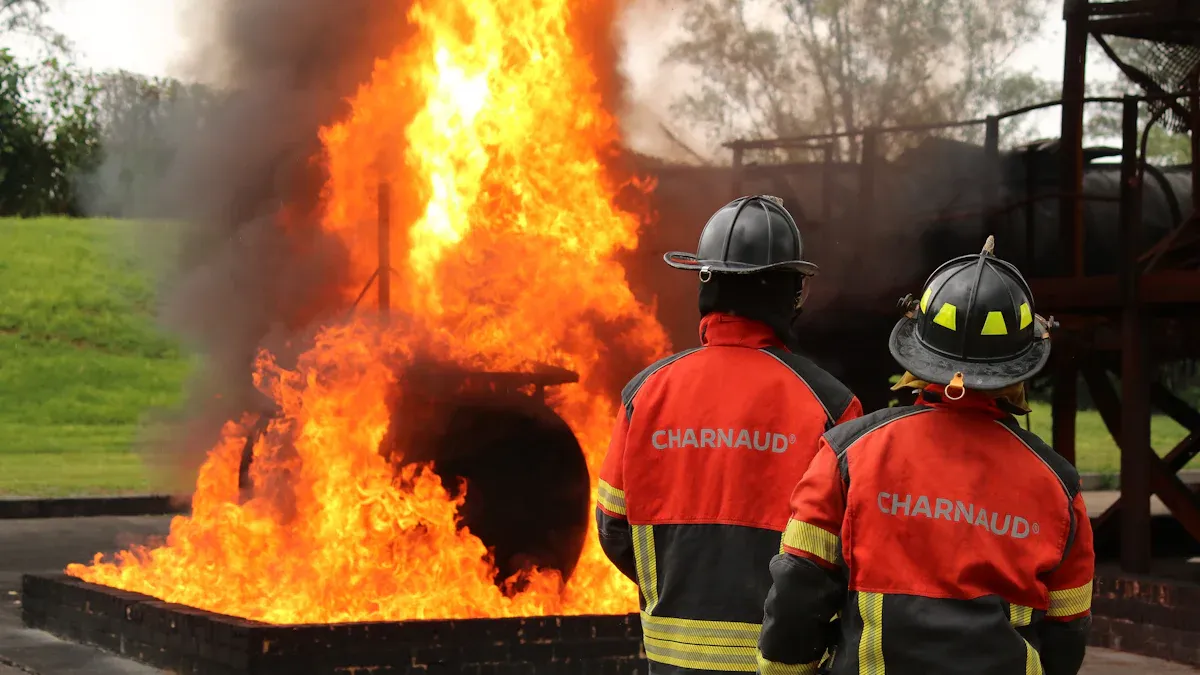
Firefighters face a demanding profession, requiring proactive health and safety. Annually, 27% experience work-related injuries. On-duty deaths: sudden cardiac arrest (51%), vehicle accidents (24%), fire (8%); cancer is also a leading cause. Reliable Fire Fighting Equipment—like a Stainless Steel Fire Extinguisher, Fire Hydrant Valve, or Fire Nozzle from a China Fire Fighting Equipment Factory—is vital. Empowering their health journey is paramount.
Key Takeaways
- Firefighters need to stay fit with strength training and good heart health to do their job safely.
- Eating well, staying hydrated, and getting enough sleep help firefighters perform their best and recover.
- Firefighters must protect their mental health, avoid harmful chemicals, and always use their gear correctly to stay safe.
Optimize Physical Fitness and Conditioning
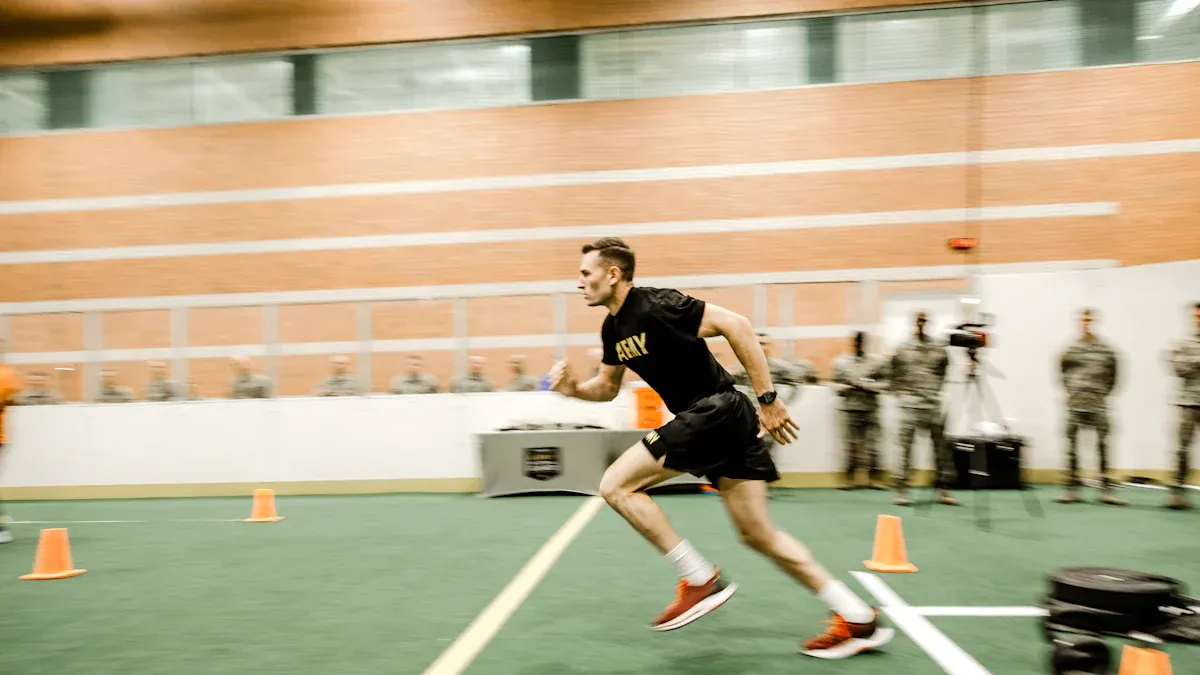
Firefighters require peak physical condition to perform their duties effectively and safely. A robust fitness regimen directly impacts their ability to handle the physical demands of the job.
Implement Strength and Endurance Training
Strength and endurance training are fundamental for firefighters. They build the physical capacity necessary for fireground operations. Specific exercises enhance job performance. These include:
- Carries: Farmer’s carries, suitcase carries, sandbag carries, and overhead carries improve grip strength and core stability.
- Mobility and Stability: Shoulder dislocates, band pull-aparts, hip openers, and controlled articular rotations enhance flexibility and prevent injury. Core stability drills like planks and Pallof presses are also crucial.
- Strength Lifts: Deadlifts, squats, and sled pulls build overall body strength, mimicking tasks encountered daily. Pull-ups, rows, push-ups, and presses develop upper body and pushing strength.
- Weighted Carries: Farmer’s walks improve grip strength, core stability, and balance, which are critical for the job.
- Core Exercises: Planks, Russian twists, and hanging leg raises improve overall strength and minimize injury risk.
Maintain Cardiovascular Health
Maintaining strong cardiovascular health is paramount for firefighters. Cardiac events remain a leading cause of on-duty deaths among firefighters. Therefore, training programs prioritize cardiovascular fitness. High-Intensity Interval Training (HIIT) effectively maximizes cardiovascular capacity. This involves alternating brief periods of intense activity with short rest periods. A typical structure includes 30 seconds of work at 85-100% maximum intensity, followed by 30 seconds of rest, for 10-30 minutes per workout.
Circuit training also promotes both strength and cardiovascular adaptations. Firefighters can use minimal equipment, often found in a firehouse. This method is suitable for group settings, enhancing team morale. A progressive circuit training program can improve occupational performance. Wearing fire gear during training increases intensity but requires careful monitoring for heat-related risks. A weighted vest offers a safer alternative to full gear.
Adopt Strategic Nutrition and Hydration
Fueling for Peak Performance
Proper nutrition provides firefighters with the energy and stamina necessary for their demanding roles. A well-balanced diet supports physical performance and aids recovery. Firefighters require adequate protein intake to maintain and repair muscle tissue. The International Society of Sports Nutrition suggests a daily protein intake of 1.4–2.0 grams per kilogram of body weight for exercising individuals. This typically represents 10 to 35% of total energy from protein. Complex carbohydrates offer sustained energy, while healthy fats support overall bodily functions. Prioritizing whole, unprocessed foods helps firefighters sustain peak performance throughout their shifts.
Essential Hydration Practices
Hydration is critical for firefighters, especially when operating in high-heat environments. Dehydration significantly impairs physical and cognitive function. Firefighters must adopt specific hydration strategies before, during, and after firefighting activities. Before activity, they should consume 2 to 3 milliliters of fluid per pound of body mass at least four hours prior. This allows for proper absorption. During breaks in activity, firefighters should drink water or sports drinks to prevent more than a 2% body mass loss. Cold fluids also help reduce core body temperature. After activity, firefighters should weigh themselves. For every pound of body mass lost, they need to consume 450–675 milliliters of fluid. A salty snack helps replenish electrolytes. On rest days, men should aim for 3.7 liters and women 2.7 liters of fluid. These requirements increase with higher sweat rates. Firefighters can assess hydration status using urine color charts or by analyzing urine specific gravity.
Cultivate Mental Health and Resilience
Firefighters face unique stressors. These stressors can impact their mental well-being. Cultivating mental health and resilience is crucial for long-term career sustainability. It also ensures effective performance on the job.
Effective Stress Management Techniques
Firefighters benefit from proactive stress management. Mental Skills Training (MST) offers an effective, evidence-based approach. MST techniques help firefighters manage stress. These techniques include:
- Controlled breathing: This helps regulate physiological responses.
- Visualization: Firefighters can mentally rehearse scenarios.
- Self-talk: Positive internal dialogue improves focus.
These methods reduce physiological arousal. They also improve focus and enhance decision-making abilities. MST’s effectiveness is well-supported. The U.S. Army’s R2 program uses similar principles. The U.S. Olympic and Paralympic Committee’s psychological services also implement these strategies. These programs have improved resilience, cognitive performance, and stress management in high-stress environments.
Accessing Professional Mental Health Support
Seeking professional mental health support is a sign of strength. Firefighters should not hesitate to access these resources. Many departments offer Employee Assistance Programs (EAPs). These programs provide confidential counseling services. Peer support networks also offer valuable connections. They allow firefighters to share experiences with colleagues. Therapists specializing in first responder trauma can provide tailored support. They help firefighters process critical incidents. They also develop coping mechanisms. Prioritizing mental health ensures firefighters remain resilient. It helps them continue serving their communities effectively.
Minimize Exposure to Carcinogens and Contaminants
Firefighters regularly encounter hazardous substances. Minimizing exposure to carcinogens and contaminants is crucial for their long-term health. Proactive measures protect them from the dangers of the job.
Adhere to Rigorous Decontamination Protocols
Decontamination of turnout gear and equipment is vital. It protects firefighter health and reduces exposure to dangerous substances. This process must become a routine practice. Adopting best practices and following established procedures enhances firefighter safety. For extreme contamination, immediately flush gear with water. Then, clean it appropriately. Never use chlorine bleach on firefighters’ clothing, especially those containing KEVLAR®, as it causes damage. NFPA 1851, Standard on Selection, Care, and Maintenance for Structural Firefighting and Proximity Firefighting Ensembles, sets minimum requirements for inspection, care, and cleaning. It mandates machine laundering for advanced cleaning unless specifically prohibited. If a garment is verified as exposed to chemical, biological, or radiological agents, NFPA 1851 states it should be immediately removed from service. It should be retired and discarded if decontamination is not possible.
Prevent Off-Gassing in Living Quarters
Contaminants can off-gas from apparatus and gear. This off-gassing can enter living spaces within fire stations. This poses a health risk to firefighters. To prevent this, fire departments install smoke-seal gaskets around door systems. These gaskets separate the apparatus bay from living quarters. This prevents diesel fumes and off-gassing from entering common “safe zones.” This simple measure significantly reduces exposure to harmful airborne particles. It creates a healthier environment for firefighters during their downtime.
Master Proper Use of Fire Fighting Equipment and Fireground Safety

Firefighters rely on their Fire Fighting Equipment for protection and effectiveness. Mastering its proper use and maintaining acute awareness on the fireground are critical for safety. These skills directly prevent injuries and enhance operational success.
Correct Donning and Doffing of PPE
Properly donning and doffing Personal Protective Equipment (PPE) is essential. It protects firefighters from hazardous conditions and toxic materials. Incorrect procedures can lead to contamination. Firefighters must minimize contact with the exterior of PPE or any Fire Fighting Equipment exposed to contaminants. They should remove PPE without touching the glove exterior. A partner can assist by removing gloves first. Disposable gloves are useful during preliminary exposure reduction and when doffing remaining PPE. Firefighters must wash hands immediately after handling firefighting PPE and equipment.
Removing the hood and facepiece together minimizes skin contact with contaminants. This prevents the spread of hazardous substances. Strict donning and doffing procedures, including observer-monitored methods and designated hot, warm, and cold zones, are vital for highly infectious agents. Firefighters must practice donning their hood and SCBA facepiece repeatedly. This builds muscle memory. Buddy checks ensure a proper seal between the hood and facepiece. This protects against heat and smoke.
Enhance Situational Awareness on Scene
Situational awareness on the fireground is paramount. It allows firefighters to make informed decisions quickly. Active training opportunities significantly improve this skill. These include scenario training with unexpected elements, such as an injured rescue dummy or a hazardous material risk. Firefighters observe how responders react and report anomalies. Implementing checklists ensures providers attend to each item thoroughly. Encouraging scene feedback from all crew members fosters an environment where everyone pays attention. They feel confident reporting unusual observations.
Demonstrating the difficulty of multitasking helps responders understand selective attention. Firefighters should slow down in emergencies. This allows for better information processing and observation. Cultivating situational awareness as a habit means paying attention to everything at a scene. Firefighters speak up about unusual occurrences. They also minimize distractions from devices. This comprehensive approach to using Fire Fighting Equipment and maintaining awareness keeps firefighters safe.
Prioritize Quality Sleep and Recovery
Firefighters often face irregular schedules. This makes quality sleep and recovery essential for their health and performance. Adequate rest directly impacts their ability to respond effectively and safely.
Establish Healthy Sleep Habits
Departments must recognize sleep’s critical role in maintaining firefighter health. They should provide sleeping quarters conducive to rest. These include comfortable mattresses, good ventilation, and dark rooms. Privacy and quiet are also beneficial. Individuals should limit stimulant intake, such as caffeine from coffee or energy drinks. This helps maintain a healthy sleep schedule. Prioritizing sleep, especially REM sleep, is crucial for recovery and mental well-being. REM sleep acts as “overnight therapy.” It helps process traumatic experiences and reduces their emotional impact. Losing even a few hours of sleep significantly reduces REM sleep. This impacts crucial emotional processing. Investing in sleep and making it a priority serves as a significant immunization against mental ill-health.
Strategies for Managing Shift Work
Shift work presents unique challenges to sleep. Firefighters can establish a relaxing bedtime routine. They should avoid stimulating activities like electronics or caffeine before bed. Ensuring a dark, quiet, and comfortable sleep environment is also important. After shifts, firefighters should prioritize adequate recovery sleep. They can create a sleep sanctuary with noise-canceling tools and blackout curtains for daytime sleep. Communicating with family about uninterrupted rest is also helpful. Utilizing short naps or rest periods between calls combats sleep deprivation. Power naps boost focus and improve work readiness. Firefighters with sleep apnea can use CPAP systems to enhance sleep quality. Departments can implement customizable alerting systems. These systems use gentler, gradual wake-up methods. This reduces the startle response and improves sleep quality.
Engage in Continuous Training and Education
Firefighters must constantly update their skills. Continuous training and education are vital for adapting to new challenges. This commitment ensures their safety and effectiveness on the fireground.
Advanced Firefighting Techniques
Modern firefighting demands advanced techniques. New technologies enhance operational safety and efficiency. Drones, for example, offer significant advantages. They improve response times and situational awareness.
| Benefit | Improvement |
|---|---|
| Response Time | Drones can reduce response times by up to 50%. |
| Situational Awareness | Drones improve situational awareness by up to 80%. |
| Safety | Drones can decrease firefighter injuries by 30% and fatalities by 15%. |
| Resource Allocation | Drones lead to a 25% improvement in resource efficiency. |
| Damage Assessment | Drones speed up assessment by up to 60%. |
| Search and Rescue | Drones increase success rates by 40%. |
| Cost-Effectiveness | Drones can result in overall cost savings of 20%. |
| Environmental Impact | Drones minimize environmental damage by up to 35%. |
| Training and Simulation | Drones enhance training effectiveness by 50%. |
| Public Information | Drones improve public communication effectiveness by 70%. |
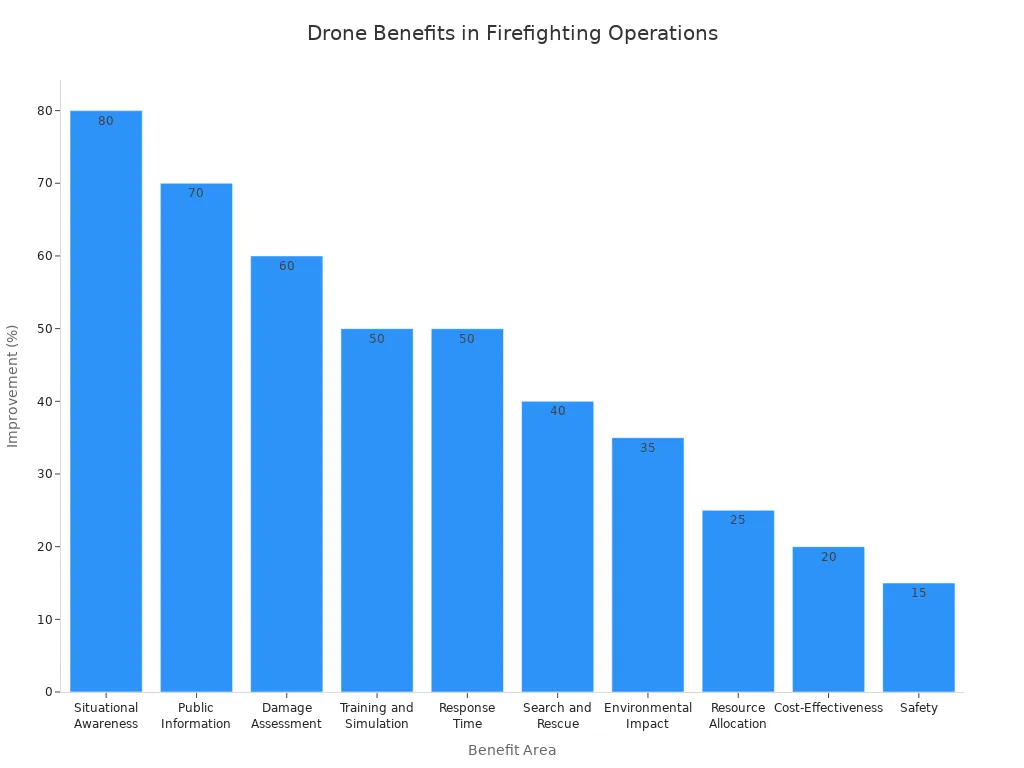
These tools allow firefighters to assess situations from a safe distance. They provide critical data for incident commanders. This helps them make better decisions. Using advanced Fire Fighting Equipment like drones protects personnel.
Proactive Hazard Recognition
Firefighters must recognize new and evolving hazards. Training programs effectively teach these skills. They help firefighters anticipate dangers.
- Building Construction: Tactical Risks for the First-Due: This program teaches firefighters about building types. It helps them predict structural issues and rapid fire spread.
- Reading the Building and Occupancy Risk: This training develops skills for profiling buildings. Firefighters learn to identify risks and understand construction methods.
- Building Construction for Today’s Fire Service: This course increases awareness of construction fundamentals. It covers systems, occupancy risks, and collapse characteristics.
Other programs focus on specific hazards:
- Smoke Recognition: This lecture discusses critical smoke and fire behaviors. It helps prevent injuries.
- Vacant Building Operations: This lecture examines hazards in vacant buildings. It covers construction types and pre-planning.
- Hazard Recognition: This lecture teaches skills for recognizing changing interior fire conditions. It covers fire behavior and situational awareness.
- Fire Ground Survival: This practical program focuses on avoiding injuries. It teaches self-survival procedures like mayday transmissions.
These educational opportunities equip firefighters with essential knowledge. They enhance their ability to operate safely and effectively.
Foster Peer Support and Team Cohesion
Firefighters work in high-stress environments. Strong peer support and team cohesion are essential for their well-being and operational effectiveness. These elements build a resilient and supportive fire service.
Building Strong Interpersonal Relationships
Strong interpersonal relationships within firehouse crews are vital. They create a supportive network. Firefighters can engage in positive activities together. These include sports, fitness challenges, or community service. Such activities help connect individuals with similar interests. Seeking mentorship from experienced firefighters offers guidance and insights. Diversifying interactions with colleagues from different shifts or stations also broadens perspectives. Attending department-wide events strengthens bonds. Prioritizing in-person interactions is crucial. Firefighters should be present and avoid distractions like phones during conversations. They should actively listen to others’ stories. Showing genuine interest in experiences builds trust. Maintaining connections with colleagues, even after transfers, fosters lasting relationships. Sharing both successes and struggles demonstrates vulnerability and builds trust.
Promoting Mutual Accountability
Fire departments must foster a culture of mutual accountability. This ensures health and safety among personnel. Accountability means owning decisions and fixing mistakes. It involves learning from errors rather than making excuses. Courage and compassion are important. Leaders make tough decisions while showing empathy for team members. Prioritizing employee wellness encourages personnel to excel. This positive culture motivates firefighters to go above and beyond. A commitment to excellence and safety maintains high standards. It continuously improves practices. The ultimate goal remains ensuring everyone goes home safe.
Commit to Regular Health Monitoring
Firefighters must prioritize consistent health monitoring. This proactive approach helps identify potential health issues early. Regular check-ups ensure firefighters maintain optimal health for their demanding careers.
Comprehensive Medical Screenings
Comprehensive medical screenings are essential for firefighters. These assessments help detect risks and existing conditions. They include:
- General Health Assessments: These cover blood pressure, body composition, and medical history.
- Cardiorespiratory Fitness Evaluations: These include aerobic capacity and exercise stress tests. They assess fitness levels and inform personalized plans.
- Occupational Health Monitoring: Regular wellness screenings track health status. They identify risks from occupational exposure.
- Specialized Screenings: These include respiratory health evaluations, vision and hearing assessments, blood tests, and lung and chest X-rays.
Specific periodic screenings are also crucial:
- Chest X-Ray: Firefighters should have this every five years.
- Stress EKG with VO2 Value Calculated: This occurs every third year for members 30 and under, every other year for those 30-39, and yearly for those 40 and older.
- Oncology Screenings: These include Prostate Specific Antigen (PSA), fecal occult blood testing, skin exams, and clinical breast examinations.
- Immunizations and Infectious Disease Screenings: These cover annual Tuberculosis Screens, Hepatitis C Virus Screens, and various vaccines.
- Heavy Metal and Special Exposure Screenings: These are conducted as needed for substances like arsenic, mercury, and lead.
Whole-body ultrasound offers a non-invasive, radiation-free method for internal body assessment. It aids in early cancer detection for organs like the liver and kidneys. It also helps assess cardiovascular health by visualizing major blood vessels.
Early Detection of Occupational Illnesses
Early detection of occupational illnesses is vital for firefighter longevity. Obesity presents a significant risk factor for cardiovascular disease. It increases the likelihood of a major cardiac event by 1.5 to 6.6 times. Approximately 75% of firefighters are classified as overweight or obese. This condition links to lower cardiorespiratory fitness and other cardiovascular disease risk factors. Sedentary behaviors and poor dietary practices further elevate their risk of premature mortality from cardiovascular disease. Obesity also contributes to musculoskeletal injuries. It hinders optimal performance of critical occupational tasks. Many firefighters begin their careers with higher body mass index values, elevated arterial blood pressures, and reduced fitness levels. Regular monitoring helps address these issues early.
Firefighters embrace a holistic approach to well-being. This includes physical fitness, mental resilience, and minimizing exposures. Cultivating a culture of safety and proactive health ensures their longevity. The fire service must commit to these practices. This supports sustained health and a long, impactful career for every firefighter.
FAQ
Why is physical fitness crucial for firefighters?
Firefighters need peak physical fitness. It allows them to perform demanding tasks safely. Strong fitness also reduces injury risk and enhances operational effectiveness on the fireground.
How do firefighters manage job-related stress?
Firefighters manage stress through techniques like controlled breathing and visualization. They also access professional mental health support. Peer support networks provide valuable connections and shared experiences.
What are the primary health risks firefighters face?
Firefighters face risks like cardiovascular disease and cancer. Exposure to carcinogens and contaminants contributes to these illnesses. Obesity and sleep deprivation also pose significant health challenges.