
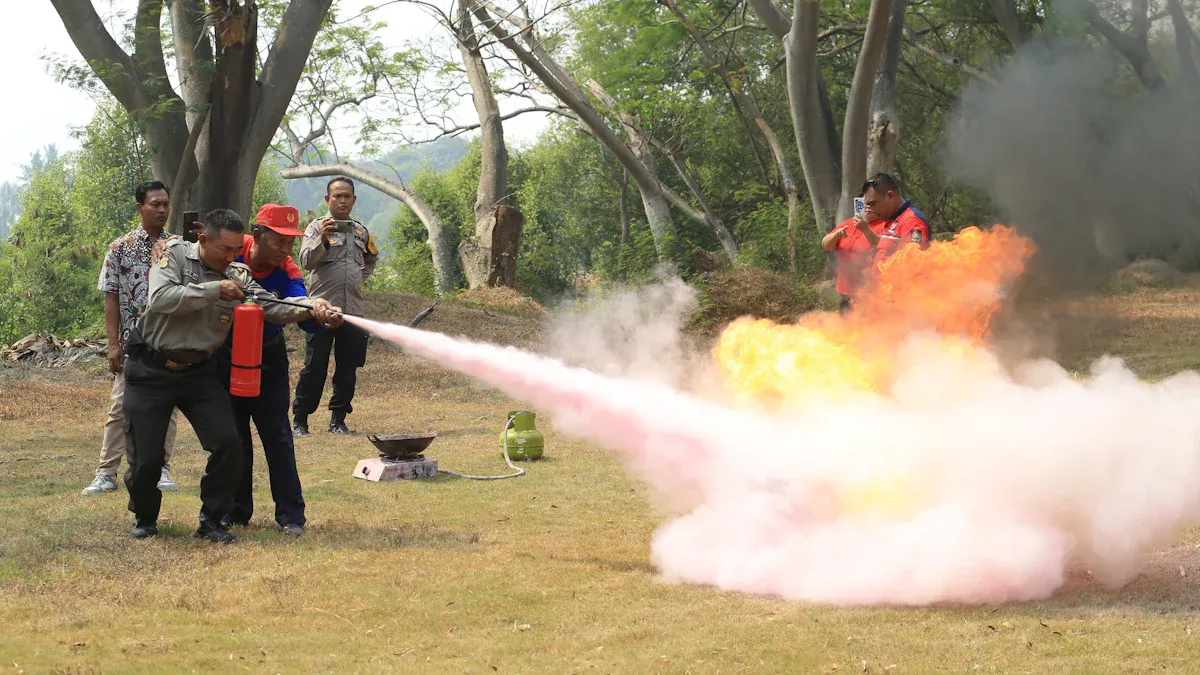
Choosing the right fire extinguisher is vital for effective fire safety. Different types of extinguishers serve specific purposes, and understanding these differences can save lives and property. For instance, a dry chemical fire extinguisher effectively combats Class B and C fires, while a CO2 fire extinguisher supplier can provide the ideal solution for electrical fires. Selecting the appropriate extinguisher prevents worsening a fire situation, emphasizing the importance of informed choices. Statistics indicate that in 2022, there were over 1.5 million fire cases, resulting in significant injuries and fatalities. Therefore, understanding the difference between CO2 and dry powder extinguishers, as well as the role of a fire extinguisher valve manufacturer, can be crucial for safety. Additionally, knowing what is the difference between dry powder and CO2 extinguishers can help in making the right choice, ensuring effective fire protection.
Key Takeaways
- Choose the right fire extinguisher based on the type of fire. Dry chemical extinguishers work for Class A, B, and C fires, while CO2 extinguishers are best for electrical fires.
- Regular maintenance is essential for fire extinguishers. Monthly checks and annual professional inspections ensure they function properly when needed.
- Understand the environmental impact of fire extinguishers. Proper disposal and recycling can prevent pollution and protect ecosystems.
- Consider the size and placement of extinguishers. Ensure they are easily accessible and suitable for the specific fire risks in your environment.
- Educate yourself and others on fire safety. Knowing how to use extinguishers effectively can save lives and property during emergencies.
Dry Chemical Fire Extinguishers

Dry chemical fire extinguishers are among the most versatile and widely used fire suppression tools available. They effectively combat various types of fires, making them essential in both residential and industrial settings. These extinguishers utilize specific chemical agents to extinguish flames, primarily focusing on Class A, B, and C fires.
Chemical Agents and Their Functions
The main chemical agents used in dry chemical fire extinguishers include:
- Sodium Bicarbonate (NaHCO3): This agent works by smothering the fire and cutting off the oxygen supply.
- Potassium Bicarbonate (KHCO3): Functions similarly to sodium bicarbonate, effectively extinguishing fires.
- Monoammonium Phosphate ((NH4)H2PO4): This versatile agent is effective for ABC class fires, smothering flames across all three common fire classes.
These agents operate by releasing a fine powder that blankets the fuel, creating a barrier between the fuel and oxygen. This process effectively smothers the fire, preventing it from continuing to burn.
Advantages and Disadvantages
Dry chemical fire extinguishers offer several advantages, particularly in industrial environments. Here is a comparison of their benefits and limitations:
| Advantages | Disadvantages |
|---|---|
| Rapid Response | Limited Coverage and Capacity |
| Ease of Use | Limited Application |
| Versatility Across Fire Types | Maintenance and Inspection Requirements |
| Cost-Effectiveness and Longevity | No Residual Protection |
| Protection of Life and Property | Limited Effectiveness in Severe Conditions |
| Environmental Considerations | |
| Compliance and Legal Requirements |
Maintenance and Inspection
Regular maintenance is crucial for ensuring the effectiveness of dry chemical fire extinguishers. The following inspection schedule is recommended:
| Inspection Type | Frequency |
|---|---|
| Monthly Checks | At least once a month |
| Annual Professional Inspection | At least once a year |
| Hydrostatic Testing | Every 12 years |
Cost Considerations
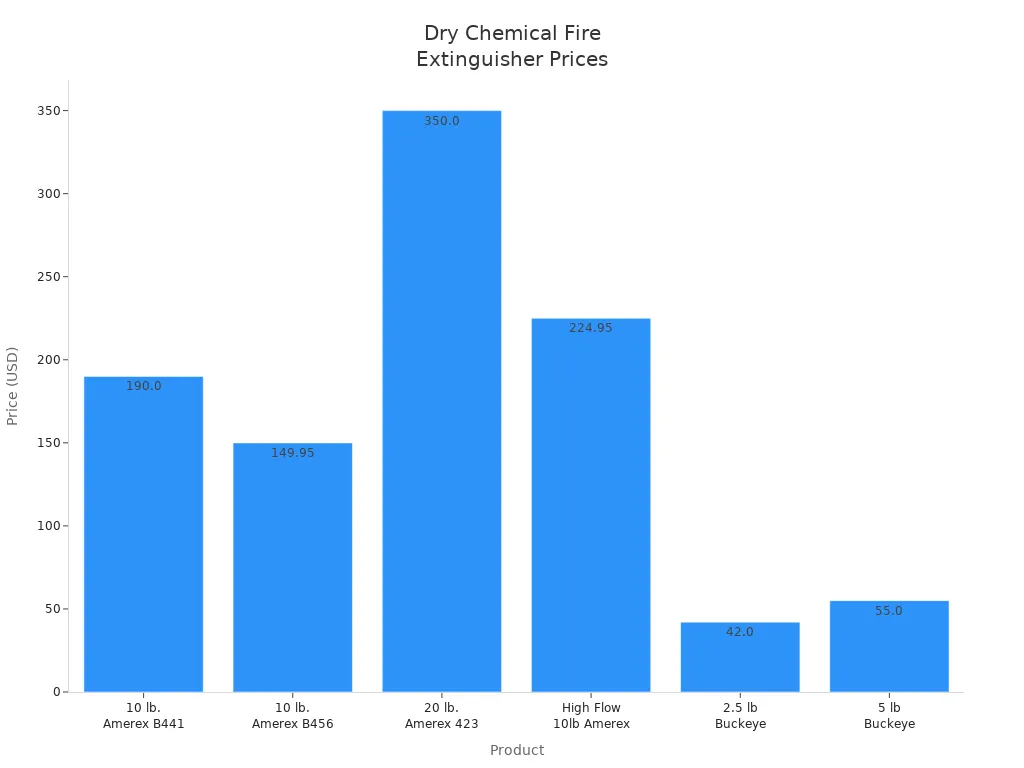
The average cost of dry chemical fire extinguishers varies based on size and brand. Here is a summary of typical prices in the United States:
| Product Description | Price |
|---|---|
| 10 lb. ABC Dry Chemical Fire Extinguisher – Amerex B441 | $190.00 |
| 10 lb. ABC Dry Chemical Fire Extinguisher – Amerex B456 | $149.95 |
| 20 lb. ABC Fire Extinguisher – Amerex 423 | $350.00 |
| Amerex High Flow 10lb ABC Dry Chemical Fire Extinguisher | $224.95 |
| 2.5 lb ABC Dry Chemical Fire Extinguisher – Buckeye | $42.00 |
| 5 lb ABC Dry Chemical Fire Extinguisher – Buckeye | $55.00 |
Environmental Impact
While dry chemical fire extinguishers are effective, they can have environmental impacts. For instance:
- Monoammonium phosphate can cause soil and water pollution, harming plant life and aquatic ecosystems.
- Sodium bicarbonate and potassium bicarbonate may disrupt aquatic environments by affecting pH levels.
- Improper disposal of these chemicals can lead to environmental contamination and health risks.
CO2 Fire Extinguishers
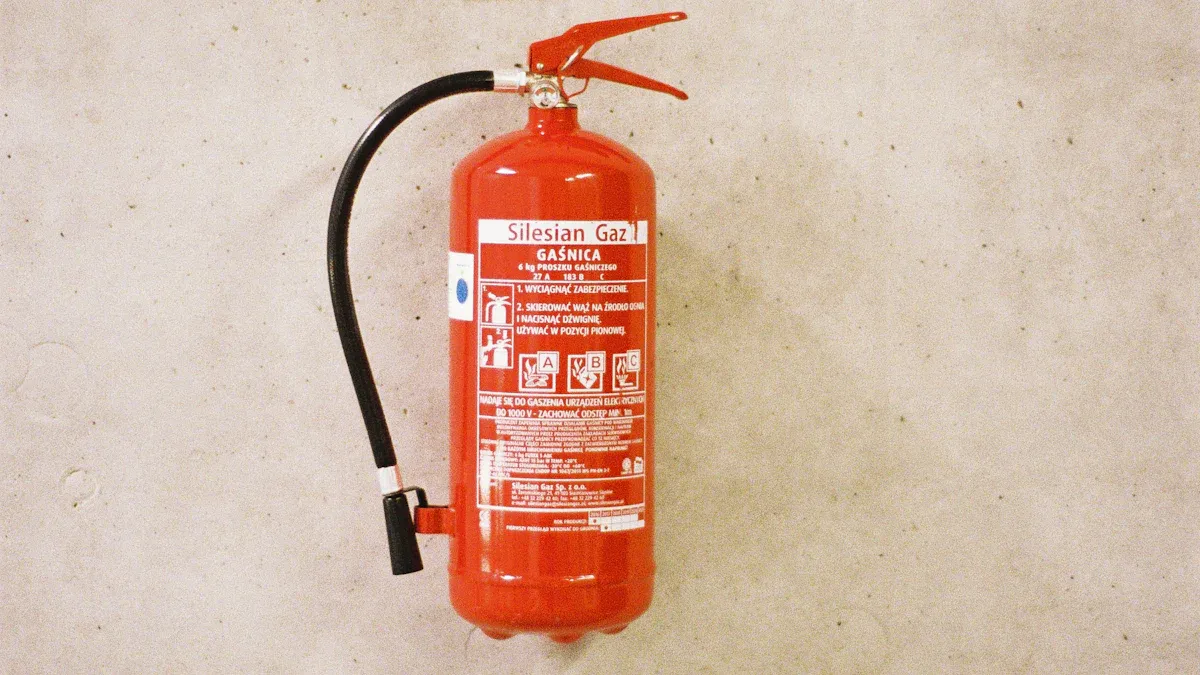
CO2 fire extinguishers are essential tools for combating specific types of fires, particularly those involving flammable liquids and electrical equipment. Their unique properties make them suitable for various environments, including offices, laboratories, and industrial settings.
Components and Mechanism of Action
CO2 fire extinguishers primarily function through two mechanisms: oxygen displacement and cooling. The table below outlines these components:
| Component | Description |
|---|---|
| Oxygen displacement | CO₂ displaces oxygen around the flames, suffocating the fire and preventing its spread. |
| Cooling effect | The rapid expansion of CO₂ causes a significant drop in temperature, cooling flammable materials. |
Effectiveness Against Fire Classes
CO2 fire extinguishers are particularly effective against the following fire classes:
- Class B Fires: Flammable liquids such as gasoline, oil, and solvents.
- Class C Fires: Electrical fires involving appliances, wiring, and other electrical equipment.
These extinguishers work by suffocating the fire, effectively cutting off its oxygen supply.
Limitations and Risks
While CO2 extinguishers are highly effective, they come with certain limitations and risks, especially in confined spaces:
- Oxygen Displacement: Rapid release of CO₂ can lower oxygen levels to dangerous thresholds, leading to potential suffocation.
- Health Risks: Users may experience dizziness or unconsciousness due to low oxygen levels.
- Frostbite Hazard: The cold discharge can cause frostbite if used near individuals.
It is crucial to evacuate to fresh air immediately after discharging the extinguisher to avoid asphyxiation.
Residue and Cleanup Requirements
One of the significant advantages of CO2 fire extinguishers is that they leave no residue, making cleanup minimal. The comparison below highlights the differences between CO2 and dry chemical extinguishers regarding residue and cleanup:
| Extinguisher Type | Residue | Cleanup Requirements |
|---|---|---|
| CO2 | Zero residue | Minimal cleanup; requires ventilation to disperse gas |
| Dry Powder | Residue-heavy | Requires vacuuming; may need professional cleaning for contaminated areas |
Maintenance Practices
Regular maintenance ensures that CO2 fire extinguishers remain functional and effective. The following table outlines recommended maintenance practices:
| Maintenance Practice | Frequency | Description |
|---|---|---|
| Monthly visual inspections | Monthly | Check location, visibility, access, pressure gauge, fullness, pin integrity, and damage. |
| Annual maintenance and testing | Annually | In-depth inspections by certified professionals, including external checks and internal maintenance. |
| Internal maintenance | Every 5 years | Inspect, clean, and replace internal parts, recharge agent. |
| Hydrostatic testing | Every 5 years | Test cylinder with water pressure to ensure it can hold its rated charge safely. |
Environmental Considerations
Proper handling and disposal of CO2 fire extinguishers are essential for environmental protection. Key considerations include:
- Recycling: CO2 extinguishers should be recycled after being emptied, as their metal components (aluminum or steel) are recyclable.
- Safety Management: The release of any remaining CO2 must be managed by professionals to prevent safety risks.
- Compliance: Proper disposal methods are essential to comply with environmental protection regulations.
By understanding the properties and limitations of CO2 fire extinguishers, users can make informed decisions about their fire safety needs.
Foam Fire Extinguishers
Foam fire extinguishers play a crucial role in fire safety, particularly in environments where flammable liquids are present. These extinguishers utilize a unique combination of ingredients to suppress fires effectively. The primary components include:
| Ingredient | Role in Fire Suppression |
|---|---|
| Sodium Bicarbonate | Reacts to produce carbon dioxide, aiding in smothering action |
| Aluminium Sulfate | Works with sodium bicarbonate to create foam |
| Surfactants | Produce foam that coats fuel and prevents oxygen contact |
| Organic Solvents | Help in foam formation and stability |
| Foam Stabilizers | Maintain the structure of the foam |
| Corrosion Inhibitors | Protect equipment from damage |
Foam extinguishers effectively separate fuel from oxygen, cool the fire, and coat the fuel surface to prevent reignition. They are particularly effective against Class A and B fires, which include combustible materials like wood and paper, as well as flammable liquids such as oil and gasoline.
Applications and Industries
Foam fire extinguishers find extensive use in various industries, including:
- Flammable liquid storage facilities
- Loading racks
- Processing areas
- Refineries
- Municipal fire departments
- Aircraft hangars and airports
- Marine applications
- Warehouses
These extinguishers are essential in locations where the risk of fire is heightened due to the presence of flammable materials.
Cost and Maintenance
The average cost for foam fire extinguishers is approximately USD 4,000 per unit. This pricing reflects the high quality and technological features of modern foam extinguishers. Regular maintenance is vital to ensure their effectiveness. Recommended practices include:
- Monthly Visual Inspections: Check for damage and ensure the pressure gauge is in the green zone.
- Annual Maintenance: Have a qualified technician service the extinguisher once a year.
- Weekly Checks for Fixed Systems: Conduct visual inspections for damage or leaks.
- Quarterly Inspections for Fixed Systems: Perform detailed inspections every three months.
Environmental Considerations
While foam fire extinguishers are effective, they can pose environmental risks. Concerns include the persistence of fluorinated Class B foam in the environment, which can accumulate over time and pose long-term threats to ecosystems. Proper disposal methods are essential to mitigate contamination risks to soil and water sources. High-temperature incineration is the recommended disposal method, ensuring safety and effectiveness.
By understanding the properties and applications of foam fire extinguishers, users can make informed decisions about their fire safety needs.
Quick Comparison Table
Understanding the differences between dry chemical, CO2, and foam fire extinguishers can help users make informed decisions. The following tables summarize key aspects of each type, including performance, cost, maintenance, effectiveness, pros, and cons.
Performance, Cost, and Maintenance
| Type of Extinguisher | Performance | Cost | Maintenance |
|---|---|---|---|
| ABC Dry Powder | Effective on A, B, C fires; immediate flame knockdown | Affordable and widely available | Leaves residue that may damage electronics |
| CO₂ | Best for electrical fires; no residue | Generally higher cost due to specialized use | Requires careful handling to avoid cold burns |
| Foam | Effective for A and B fires; prevents re-ignition | Moderate cost; suitable for liquid hazards | Can leave foam residue; not suitable for electrical fires |
Effectiveness, Pros, and Cons
| Type of Extinguisher | Effectiveness | Pros | Cons |
|---|---|---|---|
| Dry Chemical (ABC) | Class A, B, C | Versatile, affordable | Leaves residue |
| CO2 | Class B, C | Clean, no residue | Ineffective on Class A |
| Foam | Class A | Excellent for Class A | Dangerous on electrical fires |
These tables provide a clear overview of the strengths and weaknesses of each extinguisher type. Users can assess their specific needs and select the most appropriate fire extinguisher for their environment.
Summary
In summary, the choice between dry chemical, CO2, and foam fire extinguishers depends on the specific fire risks present. Each type has unique advantages and limitations, making it essential to evaluate the context in which the extinguisher will be used.
Choosing the Right Fire Extinguisher
Selecting the appropriate fire extinguisher requires careful consideration of various factors. Fire safety experts recommend evaluating the specific environment and potential fire hazards. Here are key factors to consider:
-
Fire Classifications: Different types of fires necessitate specific extinguishers. For example:
- Class A extinguishers are suitable for ordinary combustibles like cloth, wood, and paper.
- Class B extinguishers target flammable liquids such as grease and gasoline.
- Class C extinguishers are designed for electrical equipment fires.
-
Size Considerations: The size and weight of the extinguisher should match the area and potential fire risks. For small spaces, a 1-2 kg extinguisher may suffice, while larger industrial settings may require a 9 kg or larger unit.
-
Location Placement: Proper placement of extinguishers is crucial. They should be easily visible and accessible, especially near fire hazards. For instance, kitchens should have extinguishers rated for Class K fires, which involve cooking oils.
-
Maintenance Requirements: Regular servicing and staff training are essential. This ensures that extinguishers remain functional and that personnel know how to use them effectively.
Common mistakes can lead to dangerous situations. These include using the wrong type of extinguisher for the fire class indicated on the label and neglecting maintenance and expiration dates. Additionally, placing an ABC fire extinguisher near oxidizers can result in hazardous reactions.
By understanding these factors, individuals can make informed decisions about fire safety. This knowledge enhances preparedness in homes and businesses, ensuring effective responses during emergencies.
In summary, understanding the differences between dry chemical, CO2, and foam fire extinguishers is crucial for effective fire safety. Each type serves distinct purposes:
- CO2 extinguishers excel in labs and electrical fires but require precise aim.
- Dry chemical extinguishers are versatile for various fire types but leave residue.
- Foam extinguishers effectively combat flammable liquids but are limited to Class B fires.
Selecting the right extinguisher can significantly reduce fire-related losses. Individuals and businesses should assess their specific fire risks by following these steps:
- Ensure the extinguisher is rated for the type of fire you might encounter.
- Consider the extinguisher’s capacity and size.
- Check for UL Rating, as higher numbers indicate more firefighting power.
By evaluating personal or business needs, everyone can enhance their fire safety preparedness. 🔥
FAQ
What types of fires can dry chemical extinguishers put out?
Dry chemical extinguishers effectively combat Class A, B, and C fires. They can extinguish fires involving ordinary combustibles, flammable liquids, and electrical equipment.
How often should fire extinguishers be inspected?
Fire extinguishers should undergo monthly visual inspections. Additionally, a professional inspection is necessary at least once a year to ensure functionality.
Can CO2 extinguishers be used on Class A fires?
No, CO2 extinguishers are not suitable for Class A fires. They work best on Class B and C fires, particularly those involving flammable liquids and electrical equipment.
What is the lifespan of a foam fire extinguisher?
Foam fire extinguishers typically have a lifespan of 5 to 15 years, depending on maintenance and usage. Regular inspections help ensure their effectiveness throughout this period.
Are fire extinguishers recyclable?
Yes, fire extinguishers are recyclable. After use, they should be taken to a recycling facility that accepts metal components, ensuring proper disposal and environmental safety.