
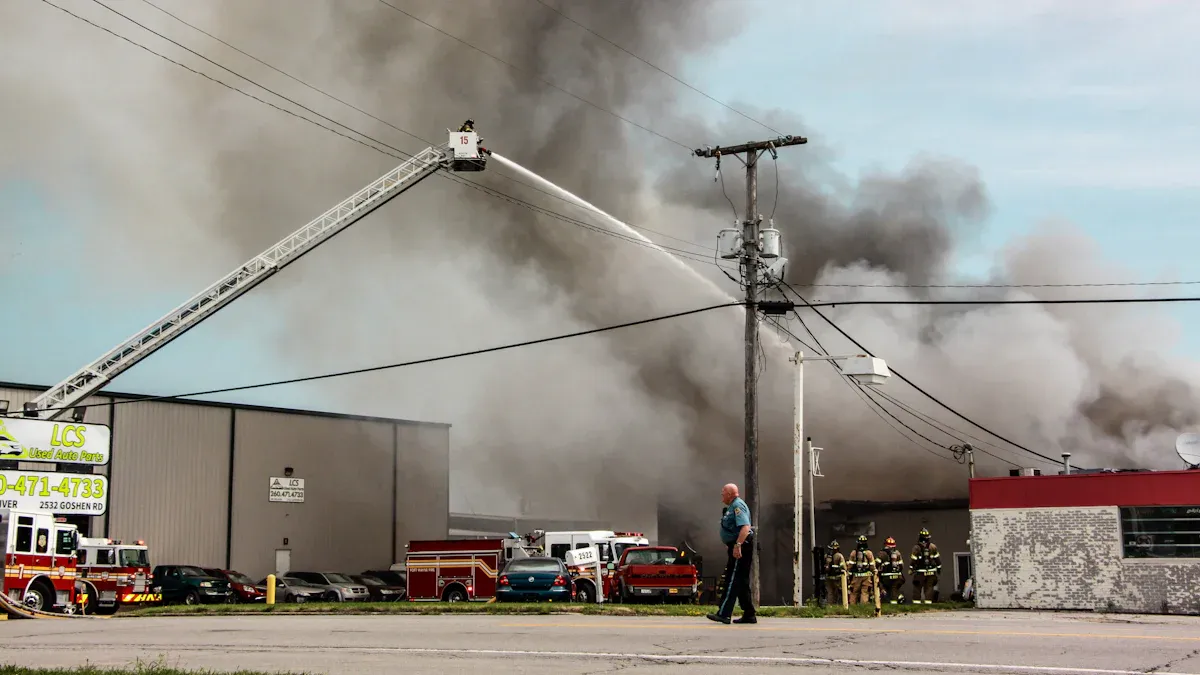
Fire extinguishers play a crucial role in warehouse fire protection, serving as the first line of defense against potential fires. Selecting the right fire extinguisher is essential for effective firefighting equipment deployment. Key factors to consider include:
- Types of Fires: Different extinguishers target specific fire types, such as electrical or flammable liquids.
- Size of the Room: Larger spaces often require bigger extinguishers to manage potential fires effectively.
- Capabilities of Inhabitants: The physical strength of individuals using the extinguisher is vital, as heavier models may be challenging to handle.
By understanding these factors, warehouse managers can enhance industrial safety and ensure compliance with fire safety standards. As an ABC dry powder fire extinguisher supplier, we emphasize the importance of choosing the right equipment to safeguard your facility.
Key Takeaways
- Choose the right fire extinguisher based on the type of fire. Different extinguishers target specific fire classes, such as A for ordinary combustibles and B for flammable liquids.
- Assess your warehouse size and layout. Larger spaces may require more extinguishers to ensure quick access during emergencies.
- Train employees on the proper use of fire extinguishers. Regular training and drills enhance readiness and safety in case of a fire.
- Conduct monthly inspections and annual maintenance checks. Regular upkeep ensures extinguishers are functional and ready for use when needed.
- Follow placement guidelines. Position extinguishers within 75 feet of any location and mount them at a height of 1.1 to 1.5 meters for easy access.
Importance of Choosing the Right Fire Extinguisher

Selecting the appropriate fire extinguisher is vital for ensuring safety in a warehouse environment. The consequences of using the wrong fire extinguisher can be severe. For instance, using an incorrect extinguisher can worsen the fire situation. Each fire extinguisher is designed for specific fire classes, such as A, B, C, D, and K. For example, employing a water-based extinguisher on a kitchen fire can exacerbate the flames, leading to more extensive damage and increased risk to personnel.
Understanding the effectiveness of fire extinguishers based on fire classes is crucial. The table below outlines various fire classes, their descriptions, and the effectiveness of extinguishers designed for each:
| Fire Class | Description | Effectiveness |
|---|---|---|
| Class D | Combustible metals (e.g., magnesium, sodium) | Dependent on agent application |
| Class K | Cooking oils and fats | Rated based on fryer fire size |
Warehouse managers must assess potential fire hazards in their workplaces. Identifying the appropriate fire extinguishers for each fire risk is essential. Familiarity with fire safety codes, such as NFPA 10, can guide managers in making informed decisions.
Common mistakes often occur during the selection process. These include inadequate signage, blocking fire extinguishers, neglecting regular maintenance, and failing to train employees. The table below summarizes these mistakes, their descriptions, and how to avoid them:
| Mistake | Description | How to Avoid |
|---|---|---|
| Inadequate Signage | Lack of clear signage can make it difficult for employees and visitors to locate fire extinguishers quickly in an emergency. | Install prominent, easily visible signs that clearly indicate the location of fire extinguishers. |
| Blocking Fire Extinguishers & Cabinets | Blocking extinguishers with furniture or equipment can hinder access during an emergency. | Conduct a risk assessment to determine strategic locations and keep areas clear. |
| Neglecting Regular Maintenance | Failing to perform maintenance checks can lead to non-functional equipment. | Establish a routine maintenance schedule and assign responsibility for inspections. |
| Lack of Employee Training | Untrained employees can hinder effective emergency response. | Implement regular training sessions and conduct fire drills. |
By addressing these common pitfalls, warehouse managers can enhance safety and ensure compliance with legal requirements. Employers must develop and implement a written emergency action plan that includes procedures for reporting and evacuation in case of a fire. Additionally, a fire prevention plan is necessary in workplaces with more than ten employees, identifying major hazards and proper handling of hazardous materials.
Overview of Fire Classes
Understanding fire classes is essential for selecting the appropriate fire extinguisher. Each class represents a different type of fire, requiring specific extinguishing methods. The table below summarizes the main fire classes relevant to warehouse environments:
| Fire Class | Description | Common Sources | Extinguishing Methods |
|---|---|---|---|
| Class A | Ordinary combustibles like wood and paper. | Paper, wood, fabric, plastics. | Water, foam, dry chemical. |
| Class B | Flammable liquids and gases. | Gasoline, oil, propane. | Foam, CO2, dry chemical. |
| Class C | Energized electrical equipment. | Faulty wiring, appliances. | CO2, dry chemical. |
| Class D | Combustible metals. | Metal powders, reactive metals. | Special dry powder agents. |
| Class K | Cooking oils and fats. | Deep fryers, commercial kitchens. | Wet chemical agents. |
Warehouse managers should be aware of the materials stored in their facilities that may contribute to fire risks. Common materials susceptible to various fire classes include:
- Group A plastics
- Rubber tires
- Rolled paper
- Flammable and combustible liquids
- Flammable solids
- Flammable gases
- Corrosives
- Oxidizers
- Aerosols
- Explosives
By recognizing these fire classes and their associated risks, warehouse personnel can make informed decisions about fire extinguisher selection. This knowledge not only enhances safety but also ensures compliance with fire safety regulations. Proper training and awareness of fire classes empower employees to respond effectively in emergencies, ultimately protecting lives and property.
Types of Fire Extinguishers
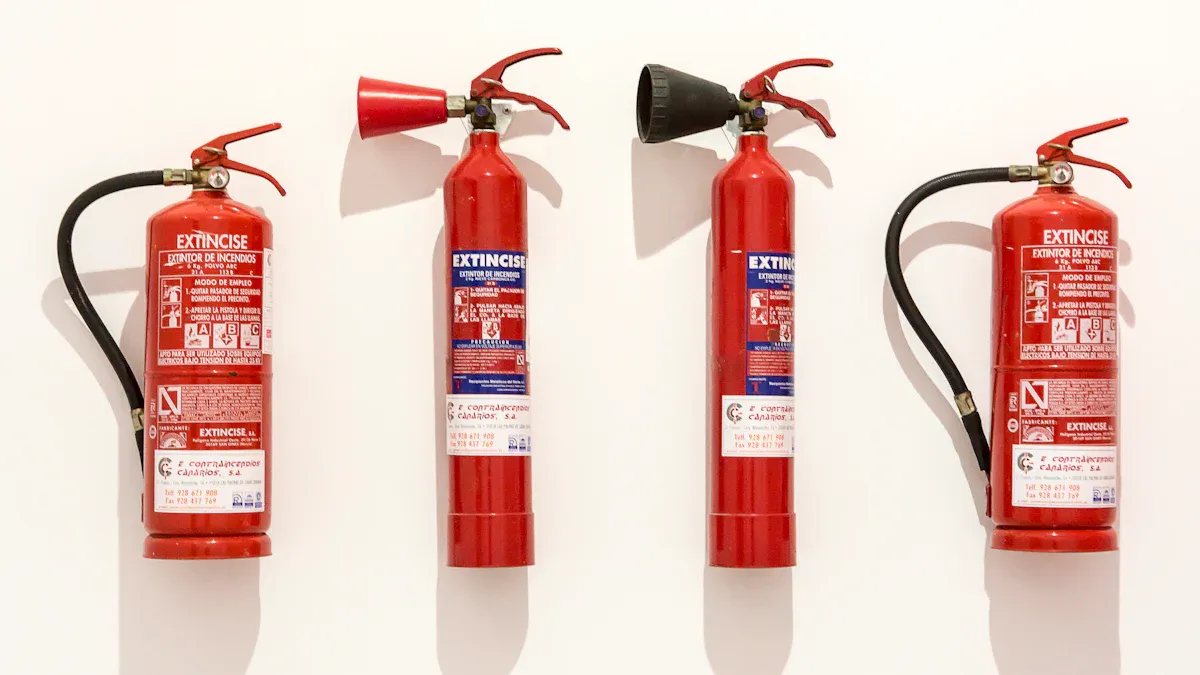
Selecting the right type of fire extinguisher is crucial for effective fire safety in warehouses. Various extinguishers cater to different fire classes, ensuring that personnel can respond appropriately to specific fire hazards. Below are the most common types of fire extinguishers used in warehouse settings:
-
Water-Based Fire Extinguishers
- These extinguishers are primarily effective against Class A fires, which involve ordinary combustibles like wood and paper.
- Advantages:
- They are the simplest and least expensive type of extinguisher.
- Maintenance is straightforward, and they pose minimal hazards.
- Disadvantages:
- They are unsuitable for Class B (flammable liquids), Class D (metals), Class K (cooking oils), or electrical fires.
- Their effectiveness relies on cooling the flames with water.
Advantages Disadvantages Suitable for Class A fires (paper, wood, etc.) Not suitable for Class B, D, K, or electrical fires Simplest and least expensive type of extinguisher Can only extinguish flames by cooling with water Easy to maintain and least hazardous May not be effective on certain fire types Commonly used in various premises including warehouses Requires careful consideration of fire type before use -
Dry Chemical Fire Extinguishers
- These extinguishers are versatile and effective against multiple fire classes, including A, B, C, E, and F.
- They work by interrupting the chemical reaction of the fire.
- Features:
- They can be used for total flooding or local application in large spaces.
- Available in both pressurized and non-pressurized types.
Feature Description Fire Classes Effective against Class A, B, C, E, and F fires. Design Ball-shape design suitable for installation on ceilings or walls. Application Can be used for total flooding or local application in large spaces. Types Available in pressurized (1.2mpa) and non-pressurized types. Compatibility Suitable for large open spaces typical of warehouses. -
CO₂ Fire Extinguishers
-
Carbon dioxide extinguishers are ideal for Class B and electrical fires. They displace oxygen, effectively suffocating the flames.
-
They leave no residue, making them suitable for environments with sensitive equipment.
-
Lifespan: CO₂ extinguishers generally last between 10 to 15 years with proper maintenance. Regular hydrostatic testing every five years is essential to ensure safety.
-
Key points about CO₂ extinguishers include:
- They require hydrostatic testing every five years.
- With proper maintenance, they can achieve service lives of 10-12 years.
- Regular testing is crucial to ensure operable pressure levels.
-
-
Foam Fire Extinguishers
- Foam extinguishers are particularly effective for Class B fires involving flammable liquids like gasoline and oil. They form a foam blanket that cuts off oxygen and cools the fuel.
- They are commonly recommended for warehouses storing flammable liquids.
-
Specialized Extinguishers
- Certain warehouses may require specialized extinguishers, such as those designed for Class D fires involving combustible metals. These extinguishers use specific dry powder agents to combat metal fires effectively.
By understanding the various types of fire extinguishers available, warehouse managers can make informed decisions that enhance safety and compliance. Proper training on the use of these extinguishers is equally important to ensure effective emergency response.
Guidelines for Selection Based on Warehouse Needs
Selecting the right fire extinguisher for a warehouse involves careful consideration of various factors. Warehouse managers should assess their specific needs based on the following guidelines:
-
Building Size and Layout: The square footage and layout of the warehouse significantly influence the number of fire extinguishers required. Larger spaces may necessitate more extinguishers to ensure adequate coverage.
-
Fire Hazard Level: Each warehouse has a designated fire hazard level based on the types of materials stored. This classification affects both the type and number of extinguishers needed. For example, warehouses storing flammable liquids will require extinguishers rated for Class B fires.
-
Extinguisher Size: The size of the fire extinguishers must match the warehouse’s dimensions. Larger areas may benefit from larger extinguishers, which can provide a more effective response to potential fires.
-
Placement: Proper placement of extinguishers is crucial. They should be located within a specified travel distance, typically no more than 75 feet apart. This ensures that employees can access them quickly during an emergency.
-
Employee Physical Ability: Consideration of employees’ physical ability to operate extinguishers effectively can influence the choice of extinguisher size. Selecting lighter models may enhance accessibility for all personnel.
The following table summarizes key factors to consider when determining the number of fire extinguishers needed for a warehouse:
| Factor | Description |
|---|---|
| Building Size and Layout | The square footage and layout of the building are crucial in determining the number of extinguishers needed. |
| Fire Hazard Level | Buildings are assigned a hazard level based on flammable materials, affecting the type and number of extinguishers. |
| Extinguisher Size | The size of extinguishers must be appropriate for the space; larger areas may require larger extinguishers. |
| Placement | Extinguishers should be placed within a specified travel distance, typically no more than 75 feet apart. |
| Employee Physical Ability | Consideration of employees’ ability to use extinguishers effectively can influence the choice of extinguisher size. |
By following these guidelines, warehouse managers can ensure they select the appropriate fire extinguishers tailored to their specific needs, enhancing safety and compliance within their facilities.
Practical Tips on Usage and Maintenance
Effective usage and maintenance of fire extinguishers are crucial for ensuring safety in warehouses. Here are some practical tips to follow:
-
Training Employees:
- Train employees on the proper use of fire extinguishers. This training should cover identifying fire types and selecting the correct extinguisher.
- Conduct regular fire drills to reinforce training and ensure employees can act quickly in emergencies.
-
Understanding the PASS Technique:
- Employees should learn the PASS technique for using fire extinguishers:
- PULL the safety pin.
- AIM the nozzle at the base of the fire.
- SQUEEZE the handle to discharge the agent.
- SWEEP the nozzle from side to side until the fire is out.
- Employees should learn the PASS technique for using fire extinguishers:
-
- Fire extinguishers should undergo monthly visual inspections to check for damage, proper pressure, and accessibility.
- Perform full maintenance checks annually to ensure functionality.
-
Hydrostatic Testing:
- Follow NFPA standards for hydrostatic testing based on the type of extinguisher. For example, CO₂ extinguishers require testing every 5 to 10 years, while dry powder extinguishers need testing every 12 years.
-
Common Maintenance Issues:
- Be aware of common issues such as pressure drops, damage to seals and valves, and leaks. Regular inspections can help identify these problems early.
-
Documentation:
- Keep records of inspections and maintenance activities. This documentation helps ensure compliance with safety regulations and provides a reference for future checks.
By implementing these practices, warehouse managers can enhance safety and ensure that fire extinguishers remain effective when needed.
Selecting the right fire extinguisher is vital for warehouse safety. Proper extinguishers can suppress up to 93% of fires, significantly improving safety outcomes. Warehouse managers should consider the following:
- Extinguisher Types: Choose extinguishers based on stored materials, such as dry powder for general goods and CO₂ for electrical equipment.
- Placement Guidelines: Position extinguishers within 15-20 meters of any location, mounted at a height of 1.1-1.5 meters for easy access.
- Maintenance Requirements: Conduct monthly self-checks and annual professional inspections to ensure functionality.
By assessing warehouse needs and implementing these safety measures, managers can create a safer environment for all employees.
FAQ
What type of fire extinguisher is best for a warehouse?
The best fire extinguisher for a warehouse depends on the materials stored. Generally, dry chemical extinguishers are versatile and effective against multiple fire classes, making them a popular choice.
How often should fire extinguishers be inspected?
Warehouse managers should inspect fire extinguishers monthly. They must check for damage, proper pressure, and accessibility. Annual professional inspections are also essential to ensure functionality.
Can employees use fire extinguishers without training?
No, employees should receive training on using fire extinguishers. Proper training ensures they can identify fire types and select the correct extinguisher, enhancing safety during emergencies.
What is the PASS technique?
The PASS technique is a method for using fire extinguishers effectively. It stands for Pull the pin, Aim at the base of the fire, Squeeze the handle, and Sweep from side to side.
How should fire extinguishers be placed in a warehouse?
Fire extinguishers should be placed within 75 feet of any location in the warehouse. They must be mounted at a height of 1.1 to 1.5 meters for easy access.