
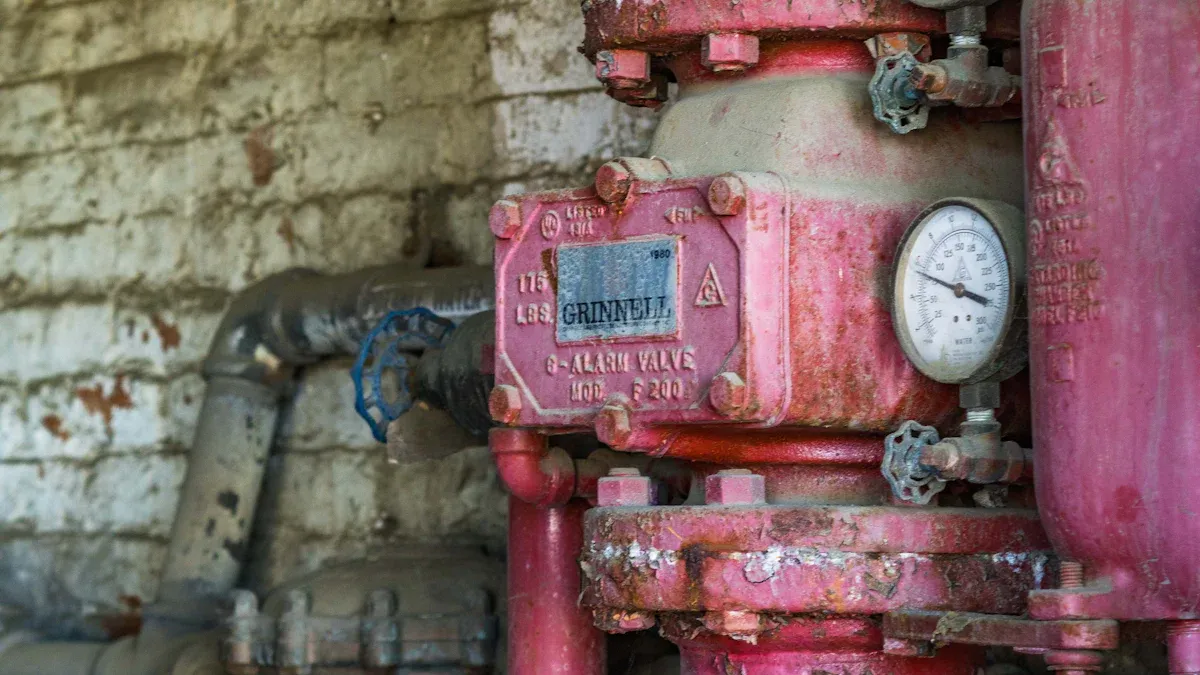
Selecting the right fire hydrant valve is crucial for effective fire safety. High-quality fire hydrant valves, including UL FM approved fire valves, ensure reliable water delivery during emergencies. This reliability protects valuable assets and supports facility-wide fire safety networks. Heavy-duty construction from corrosion-resistant fire valves minimizes failures in harsh environments. Additionally, incorporating gate valves and landing valves for fire protection enhances overall system performance. Moreover, compliance with industry standards reduces liability and ensures operational readiness. Understanding these factors aids in choosing the best valves for fire protection, especially when sourcing from a reputable fire hydrant valve factory in China.
Key Takeaways
- Choose fire hydrant valves based on functionality. Valves like gate, globe, and butterfly types serve specific roles in water flow control.
- Select durable materials such as brass or ductile iron. These materials resist corrosion and ensure long-lasting performance.
- Understand pressure ratings. Ensure valves can handle local fire department requirements, typically between 100 to 175 psi.
- Prioritize compliance with industry standards. Meeting regulations reduces liability and enhances firefighting effectiveness.
- Consider the total cost of ownership. Invest in high-quality valves to lower maintenance costs and improve long-term value.
Functionality of Fire Hydrant Valves
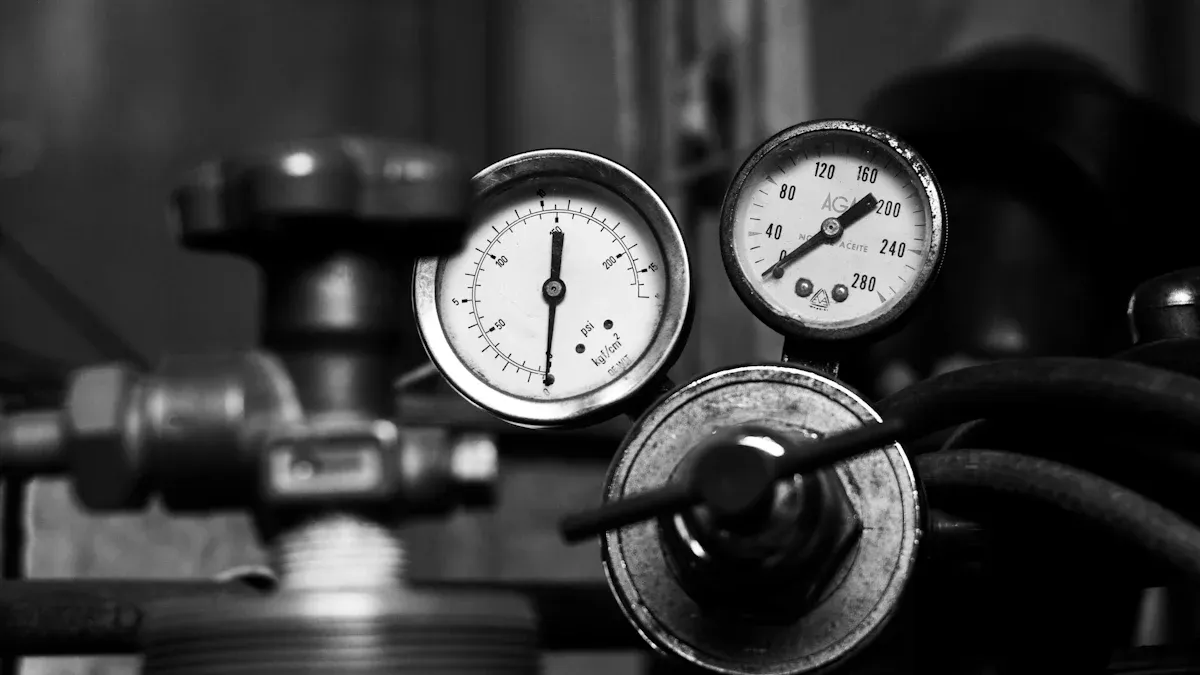
Fire hydrant valves play a vital role in modern fire protection systems. Their primary functions include:
- Isolation: Gate valves allow complete control over water flow. They enable maintenance without disrupting the entire system.
- Flow Regulation: Globe valves adjust water delivery, which is essential for maintaining pressure in fire systems.
- Quick Operation: Butterfly valves are compact and facilitate rapid opening and closing, crucial during emergencies.
- Reliable Shut-Off: Ball valves ensure tight sealing and fast operation, providing effective water flow control.
- Backflow Prevention: Check valves prevent backflow, safeguarding water supplies and equipment.
These functionalities are critical for ensuring that firefighters can deploy hoses quickly and effectively. The design of fire hydrant valves directly influences water flow and pressure, impacting response times during emergencies. For instance, different valve types, such as globe, gate, and angle valves, offer specific advantages like precise flow control and rapid water release.
Proper hydrant placement and design features, such as 2 Way Y Connections, allow multiple hoses to operate simultaneously. This adaptability enhances firefighting efficiency. Furthermore, advancements in technology have led to rapid response times of just 2-5 seconds. Automated operations enable quick deployment of water or fire suppressants, significantly improving emergency response.
Modern fire hydrant valves also incorporate smart monitoring systems with real-time alerts, enhancing operational efficiency. Features like anti-tampering mechanisms and self-diagnostic capabilities ensure reliability and security. These innovations contribute to increased water flow capacity and improved durability, making fire hydrant valves indispensable in fire safety systems.
Materials for Fire Hydrant Valves

The choice of materials for fire hydrant valves significantly impacts their performance, durability, and resistance to corrosion. Common materials used in manufacturing these valves include:
- Aluminum: Lightweight and cost-effective, aluminum offers excellent lifecycle value. It requires minimal maintenance and is sustainable and recyclable.
- Brass: Known for its superior strength and corrosion resistance, brass is durable and reliable in demanding applications. Although it has a higher upfront cost, it compensates with long-term functionality.
- Cast Iron: This material provides excellent strength and durability, making it suitable for heavy-duty applications.
- Ductile Iron: Ductile iron combines strength with flexibility, making it ideal for various environmental conditions.
- Water Works Brass (Bronze): Particularly effective in harsh environments, bronze resists corrosion from chemicals and saltwater.
Selecting the appropriate material is crucial for ensuring the longevity of fire hydrant valves. For instance, bronze excels in coastal areas due to its high corrosion resistance. In contrast, brass, while more affordable, may be prone to dezincification in aggressive conditions. Therefore, understanding the environmental factors and specific application needs is essential when choosing materials.
Moreover, the fire hydrant market increasingly adopts eco-friendly materials, such as silicon-based brass. This shift not only addresses sustainability but also reduces health risks associated with lead exposure. Municipalities aim to lower their environmental footprints while maintaining performance standards.
To ensure reliability and longevity, manufacturers implement strict quality control measures. They conduct routine inspections for wear and corrosion, clean valves regularly, and replace faulty components immediately. Experienced professionals oversee every stage of manufacturing, ensuring adherence to safety and reliability standards.
By prioritizing the right materials, stakeholders can enhance the effectiveness of fire hydrant valves, ultimately contributing to improved fire safety.
Pressure Ratings for Fire Hydrant Valves
Pressure ratings are crucial for ensuring the effective operation of fire hydrant valves. These ratings indicate the maximum and minimum pressures that hydrants can safely handle. The 2022 edition of NFPA 291 recommends that fire hydrants maintain a residual pressure of 20 psi (1.4 bar) for effective firefighting. This standard ensures that firefighters have adequate water pressure during emergencies.
Fire hydrants typically have pressure ratings ranging from 100 to 175 psi, with some models designed for even higher pressures. These ratings are marked on the hydrant body, indicating both maximum working pressure and minimum residual pressure. Understanding these ratings helps ensure that fire hydrant valves perform effectively under high-demand situations.
In colder climates, dry-barrel hydrants are preferred to prevent freezing. Conversely, wet-barrel hydrants are more common in milder climates. Regions with freezing temperatures require dry-barrel hydrants to avoid ice formation, while milder areas may use wet-barrel hydrants, which need freeze protection if used in colder regions.
The integration of single air valves in fire hydrant systems is essential for maintaining pressure integrity. These valves manage air accumulation, preventing issues like reduced flow rates and destructive water hammer effects. As water flow increases in fire protection systems, friction in the pipes causes pressure losses. Therefore, understanding the relationship between pressure ratings and flow is vital for ensuring reliable fire response.
Testing methods for determining pressure ratings include measuring static pressure, residual pressure, and test flow rates. The table below summarizes these measurement types:
| Measurement Type | Description |
|---|---|
| Static Pressure | The pressure in the system when no water is flowing, measured at the gauge cap of the hydrant. |
| Residual Pressure | The pressure remaining in the system while water is flowing, also measured at the gauge cap. |
| Test Flow Rate | The rate of water flow during the test, measured using devices like the Pitotless Nozzle™. |
| Recommended Pressure Drop | NFPA 291 recommends a drop of at least 25% from static to residual pressure for accurate results. |
By understanding pressure ratings and their implications, stakeholders can select appropriate fire hydrant valves that enhance safety and efficiency during emergencies.
Compliance with Standards for Fire Hydrant Valves
Compliance with standards is essential for ensuring the reliability and safety of fire hydrant valves. Adhering to established regulations helps maintain effective firefighting capabilities. In 2026, various international and national standards govern the design and performance of these valves. Key standards include:
| Standard | Designation | Subject Covered |
|---|---|---|
| AWWA | C500 | Metal-Seated Gate Valves for Water Supply Service |
| AWWA | C502 | Dry-Barrel Fire Hydrants |
| AWWA | C503 | Wet-Barrel Fire Hydrants |
| AWWA | C504 | Rubber-Seated Butterfly Valves |
| AWWA | C508 | Swing-Check Valves for Waterworks Service |
| AWWA | C509 | Resilient-Seated Gate Valves for Water Supply Service |
| AWWA | C515 | Reduced-Wall, Resilient Seated Gate Valves for Water Supply Service |
| AWWA | C517 | Resilient-Seated Cast-Iron Eccentric Plug Valves |
| AWWA | C550 | Protective Interior Coatings for Valves and Hydrants |
Organizations must recognize the consequences of using fire hydrant valves that do not meet regulatory standards. These consequences include:
- Legal penalties for non-compliance
- Increased liability risks for organizations
- Higher insurance premiums
- Compromised firefighting efforts, endangering lives and property
- Reputational damage for communities
Recent updates to fire hydrant valve standards emphasize the need for regular checks and testing. For instance, NFPA 291 mandates annual checks and flow tests every five years. This ensures that hydrants can deliver adequate water during emergencies. The testing protocols include two types of flow tests: one for the water supply in the main and another for the hydrant itself. Staying informed about revisions to NFPA 291 is crucial for compliance.
In 2026, the fire hydrant valve market is expected to see advancements, particularly with the integration of IoT technologies. These innovations will enhance monitoring systems, allowing for real-time detection of pressure fluctuations and leaks. Manufacturers will also prioritize corrosion-resistant materials to improve durability and reduce maintenance costs.
Total Cost of Ownership for Fire Hydrant Valves
When evaluating fire hydrant valves, stakeholders must consider the total cost of ownership (TCO) beyond the initial purchase price. The TCO encompasses various factors that can significantly impact long-term expenses. Key considerations include:
-
Initial Purchase Price: While it may be tempting to choose the lowest-priced option, this decision can lead to higher long-term costs. Higher-quality fire hydrant valves often provide better durability and lower maintenance needs.
-
Durability and Compliance: Selecting valves that meet industry standards ensures reliability. Durable materials, such as ductile iron, resist corrosion and require less maintenance, ultimately reducing costs over time.
-
Maintenance and Repair Costs: Proactive maintenance strategies can save organizations significant amounts. Reactive repairs can cost three to five times more than regular maintenance. For example, a typical emergency main break repair can range from $8,000 to $25,000, while a proactive valve exercising visit costs only $50 to $150 per valve.
-
Service Support and Delivery Reliability: Reliable service support can minimize downtime and ensure that valves remain operational. This reliability is crucial for maintaining effective firefighting capabilities.
-
Potential Insurance Savings: Investing in high-quality valves can lead to lower insurance premiums due to enhanced safety features.
The table below summarizes the average costs associated with common repairs:
| Repair Type | Average Cost Range |
|---|---|
| Valve Stem Replacement | $150 – $300 |
| Thread Repair | $75 – $200 |
| Barrel Replacement | $800 – $1,500 |
| Drain System Repair | $200 – $500 |
By considering these factors, organizations can make informed decisions that enhance the overall value of their fire hydrant valve investments.
Selecting high-quality fire hydrant valves is essential for effective fire safety. The five key criteria to consider include functionality, materials, pressure ratings, compliance with standards, and total cost of ownership. Prioritizing quality ensures reliable performance, which is crucial given that industrial fires can lead to significant damages, averaging $1.2 billion annually in the U.S. Facilities that invest in durable valves, such as oblique valves, often experience lower maintenance costs and enhanced safety.
Organizations should apply these criteria during the selection process to improve fire safety outcomes. For instance, incorporating flow test data in project planning can prevent costly complications. By focusing on quality and compliance, stakeholders can enhance their fire protection systems and ensure operational readiness.
FAQ
What is the primary function of a fire hydrant valve?
Fire hydrant valves control water flow during emergencies. They allow firefighters to isolate sections of the system, regulate flow, and ensure quick access to water.
How do I determine the right pressure rating for my hydrant valve?
Select a valve with a pressure rating that meets or exceeds your local fire department’s requirements. Typically, ratings range from 100 to 175 psi.
What materials are best for fire hydrant valves?
Durable materials like brass, ductile iron, and bronze offer excellent corrosion resistance and longevity. Choose based on environmental conditions and specific application needs.
Why is compliance with standards important?
Compliance ensures that fire hydrant valves meet safety and performance regulations. Non-compliance can lead to legal penalties, increased liability, and compromised firefighting efforts.
How can I reduce the total cost of ownership for hydrant valves?
Invest in high-quality valves that require less maintenance. Regular inspections and proactive repairs can prevent costly emergency repairs and extend the lifespan of your valves.