
The Critical Role of Industrial Fire Hydrants in Warehouse Safety
In the vast landscape of industrial safety, industrial fire hydrants stand as silent sentinels, crucial for protecting assets, infrastructure, and human lives. For warehouses, which often store valuable goods and can be prone to rapid fire spread due to their open layouts and combustible materials, the selection of appropriate fire suppression equipment is paramount. Among the various types, the 2 Way Fire Hydrant is a common and effective solution, particularly in regions with mild climates. But how does one navigate the complexities of choosing the most durable and reliable option to ensure optimal warehouse fire safety?
This comprehensive guide will delve into the essential considerations for selecting industrial fire hydrants, focusing on 2-way models, their features, maintenance, and compliance with international standards. Our goal is to equip you with the knowledge to make informed decisions, transforming your warehouse into a fortress against fire hazards.
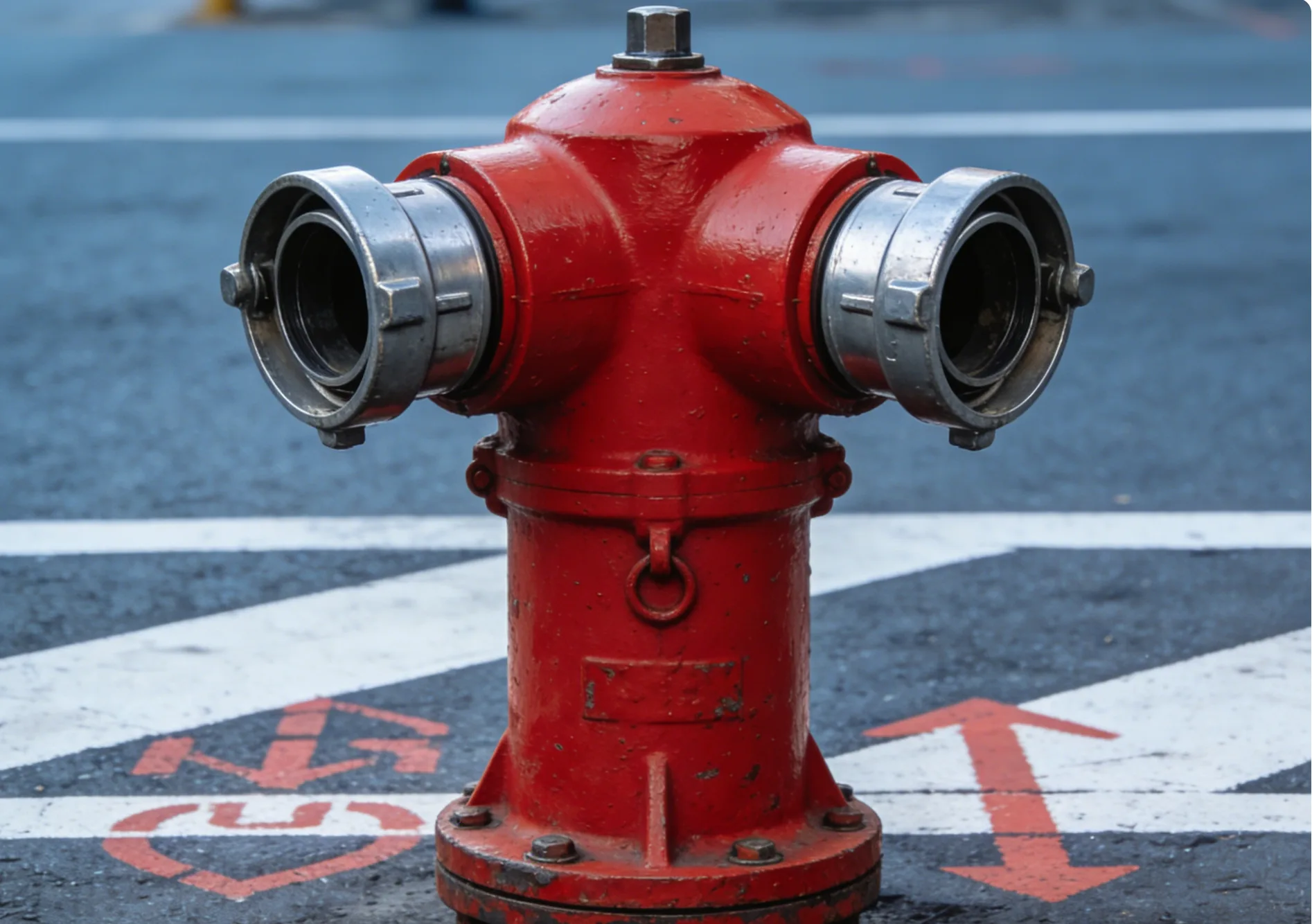
What is a 2 Way Fire Hydrant and Why is it Essential for Industrial Settings?
A 2 Way Fire Hydrant, often referred to as a two-outlet hydrant, is a type of fire hydrant equipped with two hose connections, allowing two fire hoses to be connected simultaneously. This design significantly enhances firefighting efficiency by enabling a larger volume of water to be delivered to a fire scene or by allowing two separate attack lines to be deployed. In industrial environments, where fires can escalate quickly and require substantial water flow, the capacity of a 2-way hydrant is invaluable.
These hydrants are typically categorized into wet barrel and dry barrel types. Wet barrel hydrants, common in areas where freezing is not a concern, have water continuously present in the barrel up to the valves. Dry barrel hydrants, conversely, keep the water below the frost line, preventing freezing. For wet barrel fire hydrant for mild climates, the 2-way configuration offers immediate water access, which is a critical advantage in emergency situations.
Key Features of a Durable 2-Way Fire Hydrant
When evaluating a durable fire hydrant for industrial facilities, several features contribute to its longevity and performance:
- Material Quality: High-grade cast iron or ductile iron bodies, brass or bronze internal components, and corrosion-resistant coatings are essential for resisting harsh industrial environments and prolonging service life.
- Valve Design: Robust valve mechanisms, such as compression or gate valves, ensure reliable operation and minimize leakage. The ease of operation and maintenance of these valves is also a key factor.
- Connection Standards: Compatibility with local and international hose coupling standards (e.g., Storz, NH, BS336) is vital for seamless integration with firefighting equipment. Manufacturers like Zhejiang World Fire Fighting Equipment Co., Ltd. often provide a range of options to meet diverse market needs.
- Pressure Rating: Industrial hydrants must withstand high pressure fire hydrant specifications to deliver sufficient water flow. Look for models with appropriate pressure ratings for your specific application.
- Ease of Maintenance: Components that are easily accessible for inspection, repair, or replacement contribute to the overall durability and cost-effectiveness over the hydrant’s lifespan.
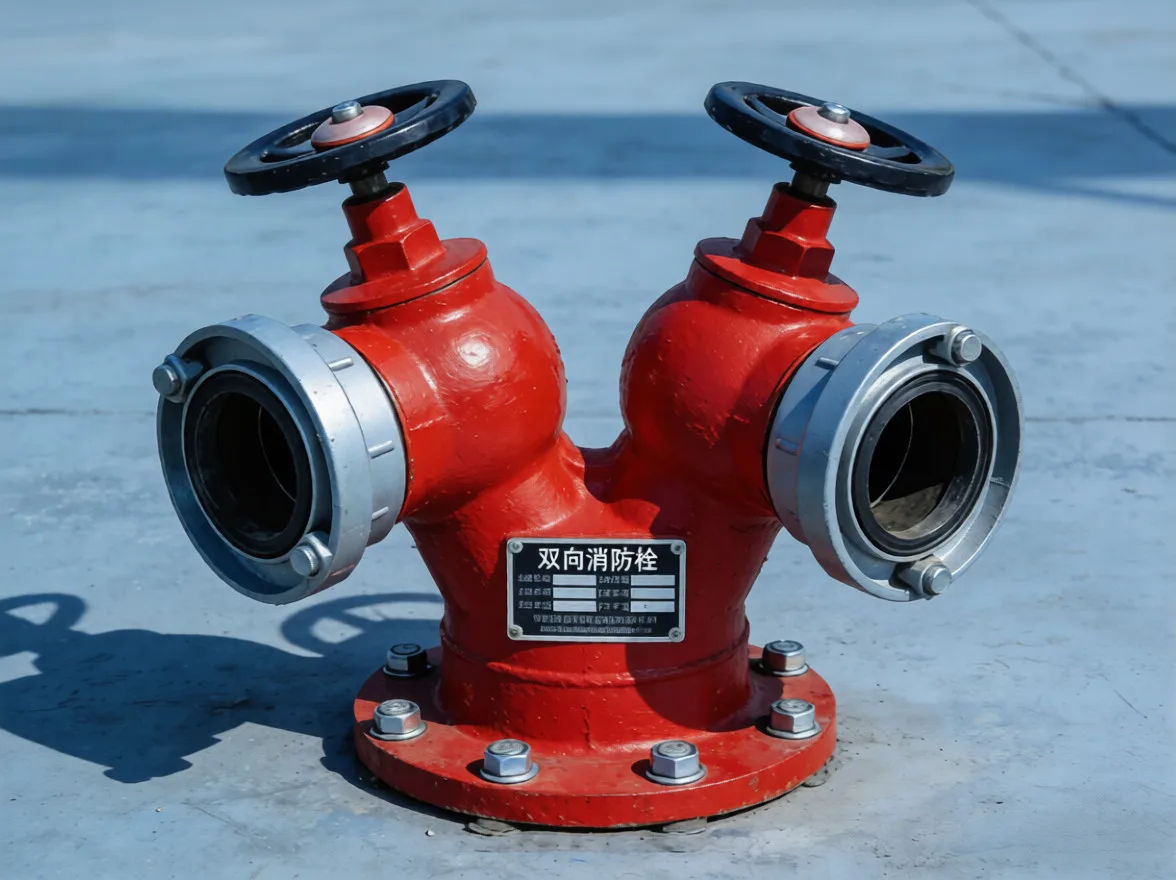
Navigating International Standards and Certifications for Fire Hydrants
Ensuring your industrial fire hydrants comply with relevant international standards is not just a matter of legality; it’s a testament to their quality and reliability. Key standards and certifications to look for include:
- UL (Underwriters Laboratories): A global safety certification company that tests and certifies products for safety.
- FM Approvals: Certifies industrial and commercial products for property loss prevention.
- NFPA (National Fire Protection Association): Provides codes and standards for fire safety, particularly NFPA 291 for fire flow testing and marking of hydrants.
- BS (British Standards) and EN (European Standards): Relevant for markets in the UK and Europe, ensuring products meet specific performance and safety criteria.
When sourcing from a Zhejiang fire fighting equipment manufacturer, inquire about their compliance with these standards. A reputable manufacturer will readily provide documentation and certifications, demonstrating their commitment to quality and safety.
Installation and Maintenance: Extending the Lifespan of Your Industrial Fire Hydrant
Proper installation and diligent maintenance are crucial for maximizing the lifespan and effectiveness of your industrial fire hydrant. A poorly installed or neglected hydrant can become a liability rather than an asset.
Installation Best Practices
- Location: Hydrants should be strategically placed to provide adequate coverage for the entire warehouse, considering access for fire trucks and proximity to potential hazards. Ensure they are not obstructed by vehicles or storage.
- Foundation: A stable, level concrete foundation is essential to prevent settling and ensure the hydrant remains upright and secure.
- Piping: Connect the hydrant to the water main using appropriately sized and pressure-rated piping. Ensure all joints are properly sealed to prevent leaks.
- Drainage: For dry barrel hydrants, ensure proper drainage to prevent water from accumulating and freezing in the barrel. Even for wet barrel hydrants, good drainage around the base can prevent erosion.
- Marking: Clearly mark hydrants for easy identification, especially in large industrial complexes. NFPA 291 provides guidelines for hydrant marking.
Essential Maintenance Tips for Fire Hydrant Valves
Regular inspection and maintenance following a fire hydrant valve installation guide are critical. This includes:
- Visual Inspection: Check for visible damage, corrosion, leaks, or obstructions around the hydrant.
- Operating Test: Periodically operate the main valve to ensure it opens and closes smoothly. This also helps to flush out sediment.
- Lubrication: Lubricate operating nuts and other moving parts as per manufacturer recommendations.
- Gasket and Packing Check: Inspect and replace worn gaskets and packing to prevent leaks.
- Pressure Testing: Conduct regular pressure tests to ensure the hydrant can deliver the required water flow and pressure.
Comparative Analysis: Wet Barrel vs. Dry Barrel 2-Way Hydrants
Understanding the differences between wet barrel and dry barrel hydrants is crucial for selecting the right type for your warehouse’s climate and operational needs.
| Feature | Wet Barrel 2-Way Hydrant | Dry Barrel 2-Way Hydrant |
|---|---|---|
| Water Presence | Water is always in the barrel up to the nozzles. | Water is below the frost line; barrel is dry until opened. |
| Climate Suitability | Ideal for mild climates where freezing is not an issue. | Essential for cold climates with freezing temperatures. |
| Initial Cost | Generally lower due to simpler design. | Generally higher due to more complex design. |
| Maintenance | Simpler, but requires careful leak detection. | More complex, involves checking drainage mechanism. |
| Operation | Immediate water flow upon opening. | Water flows only after main valve below ground is opened. |
| Damage Risk | More susceptible to freezing damage if used in cold. | Less susceptible to freezing damage. |
For wet barrel fire hydrant for mild climates, the primary advantage is immediate water availability. However, in colder regions, the risk of freezing makes dry barrel hydrants the safer and more practical choice.
The Cost-Effectiveness of Quality: Investing in Reliable Fire Hydrants
While the initial cost of a high-quality, durable fire hydrant for industrial facilities might seem higher, the long-term benefits far outweigh the savings from cheaper alternatives. Investing in reliable equipment from a reputable Zhejiang fire fighting equipment manufacturer ensures:
- Reduced Maintenance Costs: Durable materials and robust construction lead to fewer repairs and replacements.
- Enhanced Safety: Reliable hydrants function optimally when needed most, preventing catastrophic losses.
- Compliance: Meeting international standards avoids potential fines and legal issues.
- Longevity: A well-chosen and maintained hydrant can last for decades, providing continuous protection.
Conclusion: Securing Your Warehouse with the Right Fire Hydrant
Choosing the right 2 Way Fire Hydrant for your warehouse is a critical decision that impacts the safety and operational continuity of your facility. By understanding the types, features, maintenance requirements, and the importance of compliance with international standards, you can make an informed choice that provides robust warehouse fire safety.
Partnering with experienced manufacturers like Zhejiang World Fire Fighting Equipment Co., Ltd. ensures access to high-quality products and expert guidance. Remember, a well-selected and diligently maintained fire hydrant is not just a piece of equipment; it’s an investment in peace of mind and the protection of your most valuable assets.
Frequently Asked Questions (FAQs) about Industrial Fire Hydrants
What is the primary difference between a wet barrel and a dry barrel fire hydrant? Wet barrel hydrants have water continuously present in the barrel up to the hose connections, making them suitable for mild climates. Dry barrel hydrants keep the water below the frost line, with the barrel remaining dry until the main valve is opened, making them ideal for cold climates to prevent freezing.
How often should industrial fire hydrants be inspected and maintained? Industrial fire hydrants should undergo visual inspections monthly and a comprehensive operational inspection and maintenance at least annually, or more frequently as mandated by local fire codes and manufacturer recommendations. This includes checking for damage, leaks, and proper fire hydrant valve operation.
What international standards should I look for when purchasing fire hydrants? Key international standards and certifications include UL (Underwriters Laboratories), FM Approvals, and NFPA (National Fire Protection Association) standards. For specific regions, BS (British Standards) and EN (European Standards) are also highly relevant.
Can a 2 Way Fire Hydrant be customized for specific industrial needs? Yes, many reputable manufacturers offer customization options for 2 Way Fire Hydrant models, including different connection types (e.g., Storz, NH, BS336), specific pressure ratings, and corrosion-resistant coatings.
Where can I find reliable suppliers for durable industrial fire hydrants? Reliable suppliers can be found through industry trade shows and professional associations. Companies like Zhejiang World Fire Fighting Equipment Co., Ltd. (worldfireblog.com) specialize in providing high-quality fire fighting equipment to global customers.