
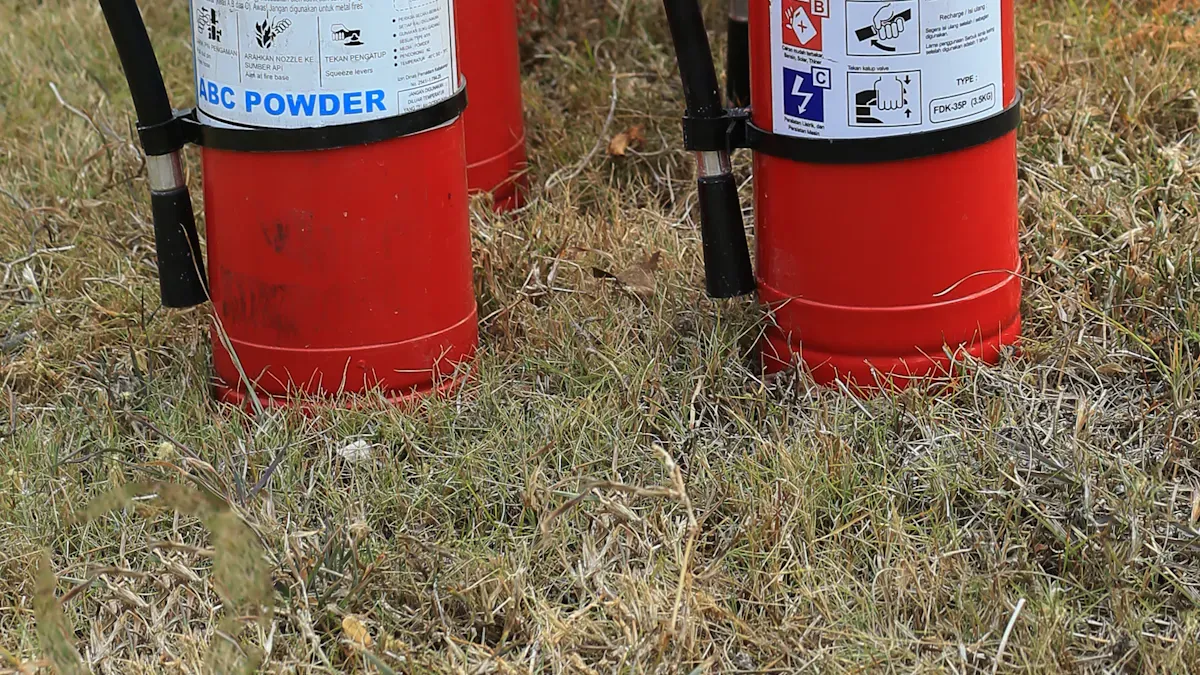
A fire protection system includes a range of components aimed at preventing, detecting, and suppressing fires. In industrial environments, effective fire safety systems are essential for protecting both personnel and property. Fire incidents can result in substantial financial losses, disrupt operations, and tarnish a company’s reputation. Understanding the various types of fire protection systems in factories is vital for implementing robust commercial fire safety solutions that can help mitigate these risks. Additionally, the integration of fire alarm and suppression systems enhances overall safety and response capabilities.
Key Takeaways
- Investing in fire protection systems enhances employee safety and minimizes risks in industrial environments.
- Regular maintenance and inspections of fire protection systems are crucial for compliance and effective operation.
- Choosing the right fire protection system can lead to significant insurance savings and protect valuable assets.
Key Components of Fire Protection System
Fire Detection Systems
Fire detection systems play a crucial role in identifying potential fire hazards before they escalate. These systems utilize various technologies to monitor environmental conditions and detect signs of fire. Common types of fire detection systems used in industrial facilities include:
- Smoke Detectors
- Heat Detectors
- Flame Detectors
- Aspirating Smoke Detection Systems (ASD)
- Multi-Sensor Detectors
Each type of detector serves a specific purpose. For instance, smoke detectors can identify smoke particles, while heat detectors respond to temperature changes. The integration of these systems enhances early warning capabilities, allowing for timely evacuation and response.
| Detector Type | Mechanism Description | Role in Early Fire Detection |
|---|---|---|
| Ionization Smoke Detector | Uses radioactive material to ionize air; smoke disrupts ionization, triggering alarm | Detects early smoke particles, effective for fast flaming fires |
| Photoelectric Smoke Detector | Uses light source and sensor; smoke scatters light to activate alarm | Detects smoldering fires with visible smoke early |
| Dual-sensor Smoke Detector | Combines ionization and photoelectric technologies for enhanced sensitivity and fewer false alarms | Provides comprehensive early smoke detection |
| Fixed-temperature Heat Detector | Activates when temperature reaches preset threshold (135°F-200°F) | Detects heat rise indicating fire presence |
| Rate-of-rise Heat Detector | Activates when temperature rises rapidly (about 15°F per minute) | Detects rapid temperature increase signaling fire development |
These detectors provide early warning by sensing smoke or heat at initial fire stages. This capability is critical in minimizing damage and protecting lives in industrial environments.
Fire Suppression Systems
Fire suppression systems are designed to control or extinguish fires once detected. Various systems exist, each tailored to specific environments and fire types. Common fire suppression systems used in manufacturing plants include:
| Fire Suppression System | Best For | Strengths | Weaknesses |
|---|---|---|---|
| Water-Based Systems | Commercial offices, Warehouses, Retail spaces | Proven effectiveness against Class A fires, Low installation and maintenance costs | Can cause water damage, Less effective on electrical fires |
| Dry Chemical Systems | Industrial manufacturing, Paint booths, Storage facilities | Effective against Class A, B, and C fires, Inexpensive | Residue cleanup can be extensive, Can damage electronics |
| Wet Chemical Systems | Commercial kitchens, Restaurants, Food processing facilities | Prevents re-ignition, Required by code for kitchens | Limited application outside food-service environments |
These systems activate automatically or manually to suppress fires, minimizing damage and ensuring safety.
Fire Alarm Systems
Fire alarm systems are essential for alerting occupants to potential dangers. In industrial applications, these systems must be tailored to address unique hazards. A well-designed fire alarm system incorporates both manual and automatic alarms, ensuring comprehensive coverage throughout the facility. Key features include:
| Feature | Description |
|---|---|
| Detection | Advanced systems use smart sensors and multi-criteria detectors to accurately identify smoke, heat, or gases, reducing false alarms. |
| Notification | Alarms alert occupants to evacuate and can automatically notify emergency services. |
| Suppression | Active firefighting elements include water-based sprinklers and sophisticated systems using foam or clean agents. |
| Control | A central control panel monitors the entire system, allowing for management of alarms and system status. |
Fire alarm systems also integrate with other safety systems, enhancing overall safety protocols. For example, they can automate evacuation protocols by unlocking exit doors and disabling elevators during emergencies.
Emergency Lighting and Signage
Emergency lighting and signage are vital for guiding occupants during an evacuation. These systems ensure visibility in low-light conditions, helping individuals navigate safely. Compliance with regulations, such as OSHA and NFPA codes, is essential for effective emergency lighting. Key requirements include:
- Emergency lights must stay illuminated for at least 90 minutes after loss of power.
- Initial illumination must provide an average of 1 foot-candle.
- Regular maintenance and testing records must be kept.
Effective emergency lighting can save lives and mitigate panic during emergencies. It enables visibility of exits and escape paths, contributing to the safety of individuals in commercial buildings.
Benefits of Fire Protection System
Enhanced Safety for Employees
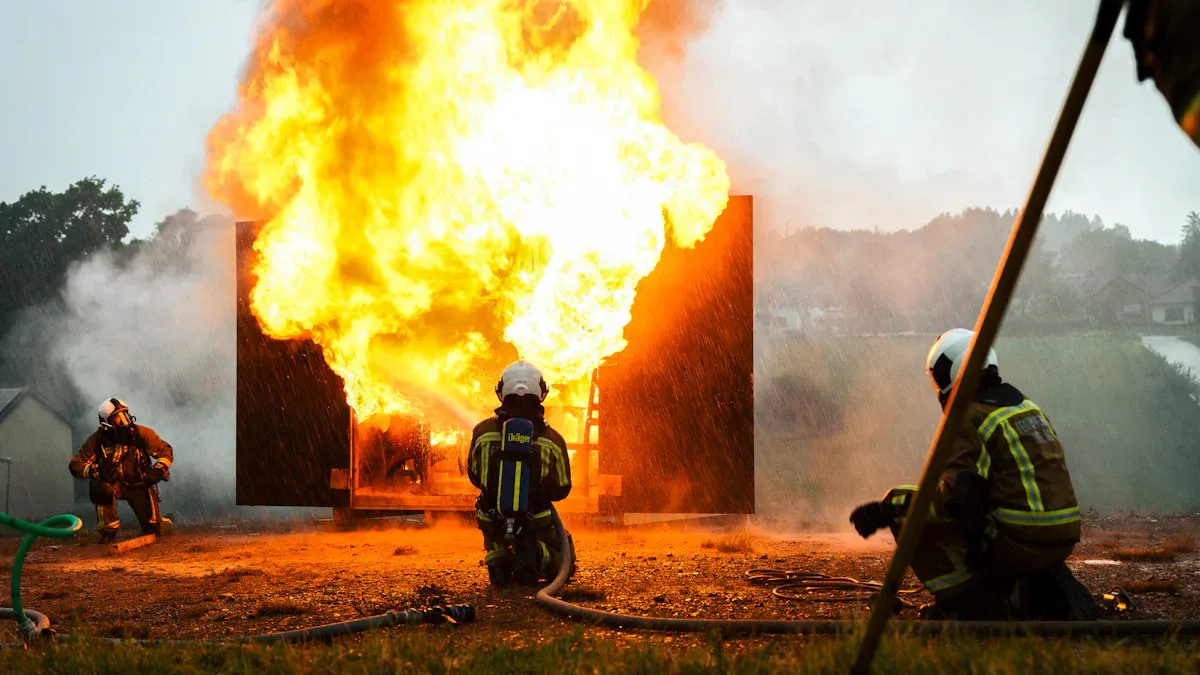
Fire protection systems significantly enhance employee safety in industrial environments. They help prevent and reduce the risks associated with industrial fires, thereby protecting workers from injury. Key aspects include:
- Proper storage of flammable materials and ensuring adequate ventilation to minimize fire hazards.
- Effective employee training and regular fire drills to ensure workers know how to respond during emergencies.
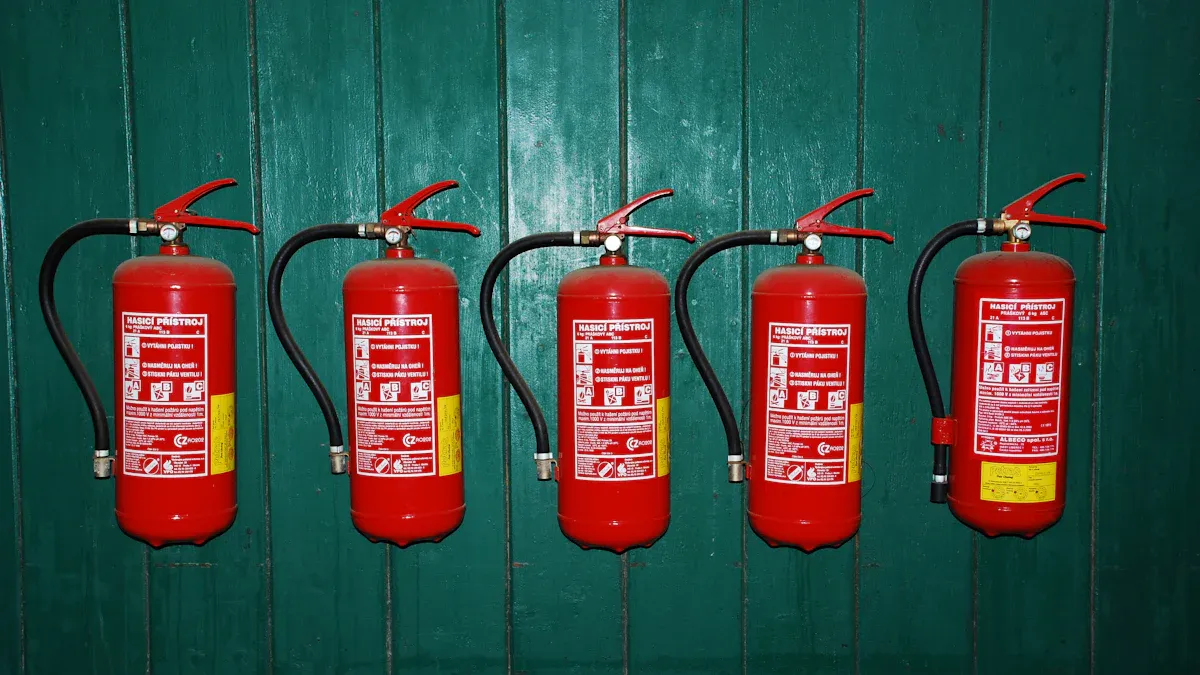
- Regular maintenance of fire protection equipment, such as extinguishers, sprinklers, and alarms, to keep systems functional.
- Assigning clear fire safety roles to ensure everyone understands their responsibilities in case of fire.
These measures create a safer workplace, allowing employees to focus on their tasks without the constant worry of fire-related incidents.
Protection of Assets and Property
Fire protection systems play a crucial role in safeguarding valuable assets and property. The estimated value of protected buildings and contents reaches approximately $64.35 billion annually. In contrast, the total loss incurred from fire incidents amounts to around $837.33 million, resulting in a loss ratio of only 1.3%. This indicates that fire protection systems save an impressive 98.7% of assets.
- Fire suppression systems utilize various agents to extinguish fires and prevent their spread, effectively minimizing property damage.
- Automatic fire detection systems identify signs of fire, such as smoke or heat, and immediately activate alarms, notifying fire departments and engaging suppression systems to extinguish fires before they escalate.
By implementing these systems, businesses can preserve valuable equipment and critical data, ultimately minimizing financial losses.
Minimization of Downtime
Fire protection systems contribute to business continuity by preventing and mitigating the impact of fires. Regular maintenance of these systems helps identify potential hazards early, reducing downtime and preventing costly damage.
- A well-maintained fire sprinkler system is essential for protecting industrial property and assets, ensuring uninterrupted operations.
- Clear emergency response plans, supported by regular training and communication, ensure effective action during fires, minimizing damage to property.
These proactive measures allow businesses to maintain productivity and avoid significant disruptions caused by fire incidents.
Insurance Benefits
Investing in advanced fire protection systems can lead to substantial insurance benefits for industrial facilities. Properties equipped with these systems are considered lower risk, which can result in reduced insurance premiums.
- Discounts may be available for advanced features beyond required fire safety compliance, such as IoT integrations and 24/7 monitoring.
- Insurance companies often provide discounts for systems like automatic sprinklers and alarm systems, with potential savings ranging from 10% to 60% depending on the provider.
For example, automatic sprinkler systems can reduce premiums by 5-45%, while fire alarm systems may provide discounts of 5-10%. Even fire extinguishers and standpipe systems can earn modest discounts of 2-5%. These financial incentives make investing in fire protection systems not only a safety measure but also a cost-effective strategy.
Compliance with Fire Protection System Regulations
Overview of Relevant Fire Safety Codes
Compliance with fire safety codes is essential for industrial facilities. These codes establish standards that help prevent fire incidents and ensure safety. Key codes include:
| Code | Description |
|---|---|
| NFPA 70 | National Electrical Code (NEC) – Prevents fires caused by electrical hazards through safe installation of wiring and equipment. |
| NFPA 72 | National Fire Alarm and Signaling Code – Governs fire alarm systems for timely alerts during emergencies. |
| NFPA 101 | Life Safety Code – Focuses on occupant safety, evacuation strategies, and fire containment measures. |
Additionally, OSHA mandates functional alarm systems for notifying employees of emergencies. Compliance is enforced by OSHA inspectors and local fire authorities.
Importance of Regular Inspections
Regular inspections of fire protection systems are crucial for maintaining safety and compliance. These inspections ensure that systems operate effectively and meet legal requirements. The following table outlines inspection frequencies and key considerations:
| Fire Protection Component | Frequency | Key Considerations |
|---|---|---|
| Fire Sprinkler Systems | At least annually | Inspect all heads, pipes, and valves; check for obstructions and conduct water flow tests. |
| Fire Alarm Systems | Annually; quarterly/semi-annual | Check all components; test response to smoke/heat; ensure communication with monitoring services. |
| Fire Extinguishers | Monthly (visual); annually | Monthly checks for location/accessibility; annual detailed examination by a certified technician. |
| Emergency Lighting Systems | Annually | Test functionality of lights; check backup batteries; ensure adequate illumination during power failure. |
| Specialized Suppression Systems | Semi-annual or quarterly | Follow manufacturer guidelines and regulations; ensure readiness for specific fire risks. |
Regular inspections help identify potential issues, ensuring that systems remain ready to respond in emergencies.
Role of Certifications and Standards
Certifications and standards play a vital role in ensuring the reliability of fire protection systems. Recognized certifications include:
| Certification | Description |
|---|---|
| ISO 9001:2015 | Quality Management System certification for the manufacturing facility |
| UL/FM | Underwriters Laboratories and Factory Mutual certification |
These certifications demonstrate compliance with industry standards and enhance the credibility of fire protection systems. Adhering to international standards also influences system selection, ensuring that facilities meet safety requirements.
Choosing the Right Fire Protection System
Assessing Your Facility’s Needs
Industrial buyers must evaluate their facility’s specific needs when selecting a fire protection system. Key factors to consider include:
- Lifecycle performance
- Maintenance requirements
- Durability
- Operational disruption risks
- Compliance with local and international building codes
- Environmental exposure degradation
- Inspection frequency requirements
Understanding these elements helps ensure that the chosen system effectively mitigates fire risks.
Evaluating System Options
Buyers should explore various fire protection systems tailored to their facility’s unique requirements. Common options include:
| System Type | Description |
|---|---|
| Passive Fire Protection | Involves structural elements that resist fire spread. |
| Fire Alarm Systems | Detects smoke and alerts occupants. |
| Portable Fire Extinguishers | Provides immediate response capabilities. |
| Fire Sprinkler and Pump Systems | Automatically suppresses fires in designated areas. |
| Special Hazard Fire Suppression Systems | Designed for unique risks, such as chemical storage. |
Evaluating these options ensures that the selected system aligns with the facility’s layout and operational needs.
Working with Fire Protection Professionals
Engaging fire protection professionals can significantly enhance system design and installation. These experts utilize two main approaches:
- Prescriptive Design: Adheres strictly to codes and regulations.
- Performance-Based Design: Customizes solutions based on specific facility needs.
This expertise ensures that the fire protection system meets safety standards while accommodating the unique workflows of the facility.
Budget Considerations
Cost optimization is crucial when investing in fire protection systems. Buyers should assess:
| System | Initial Cost | Maintenance Needs | Aesthetic Quality | Typical Fire Rating |
|---|---|---|---|---|
| Intumescent Paint | High | Moderate | Excellent | 60–120 min |
| Fireproof Board | Medium | Low | Moderate | 60–120 min |
| SFRM | Low | Moderate | Low | 60–180 min |
Investing in advanced systems can lead to insurance premium discounts, as properties with robust fire protection are viewed as lower risk. This financial incentive, combined with the primary goal of protecting lives and property, underscores the importance of selecting the right fire protection system.
Industrial facilities benefit greatly from investing in a reliable fire protection system. Prioritizing fire safety reduces risks to employees and assets. Buyers should carefully assess needs and consult experts to select the best solutions. Proactive decisions ensure compliance, minimize losses, and protect business continuity.
Safety starts with informed choices.
FAQ
What types of fires do industrial fire protection systems cover?
They cover Class A (ordinary combustibles), Class B (flammable liquids), Class C (electrical), and sometimes Class D (metal) fires, depending on the system installed.
How often should fire protection systems be inspected?
Most systems require annual inspections, but some components like extinguishers need monthly visual checks and specialized systems may need quarterly reviews.
Can fire protection systems reduce insurance costs?
Yes, insurers often offer discounts ranging from 5% to 60% for facilities with advanced fire protection systems, lowering overall insurance premiums.