
Firefighting operations rely on a wide range of equipment working seamlessly together, and one often overlooked yet essential component is the firefighting hose adaptor. These adaptors play a critical role in connecting different types of hoses, hydrants, and firefighting tools, ensuring compatibility across various systems. Understanding what firefighting adaptors are and how they work is essential for both professionals and organizations involved in fire safety.
What Are Firefighting Adaptors?
Firefighting adaptors are specialized connectors used to join hoses or equipment with different thread types, sizes, or standards. Since firefighting systems often vary by region or manufacturer, adaptors ensure that all components can work together efficiently during emergencies.
Without proper adaptors, firefighters may face delays when connecting hoses to hydrants or other equipment—something that can significantly impact response time in critical situations.
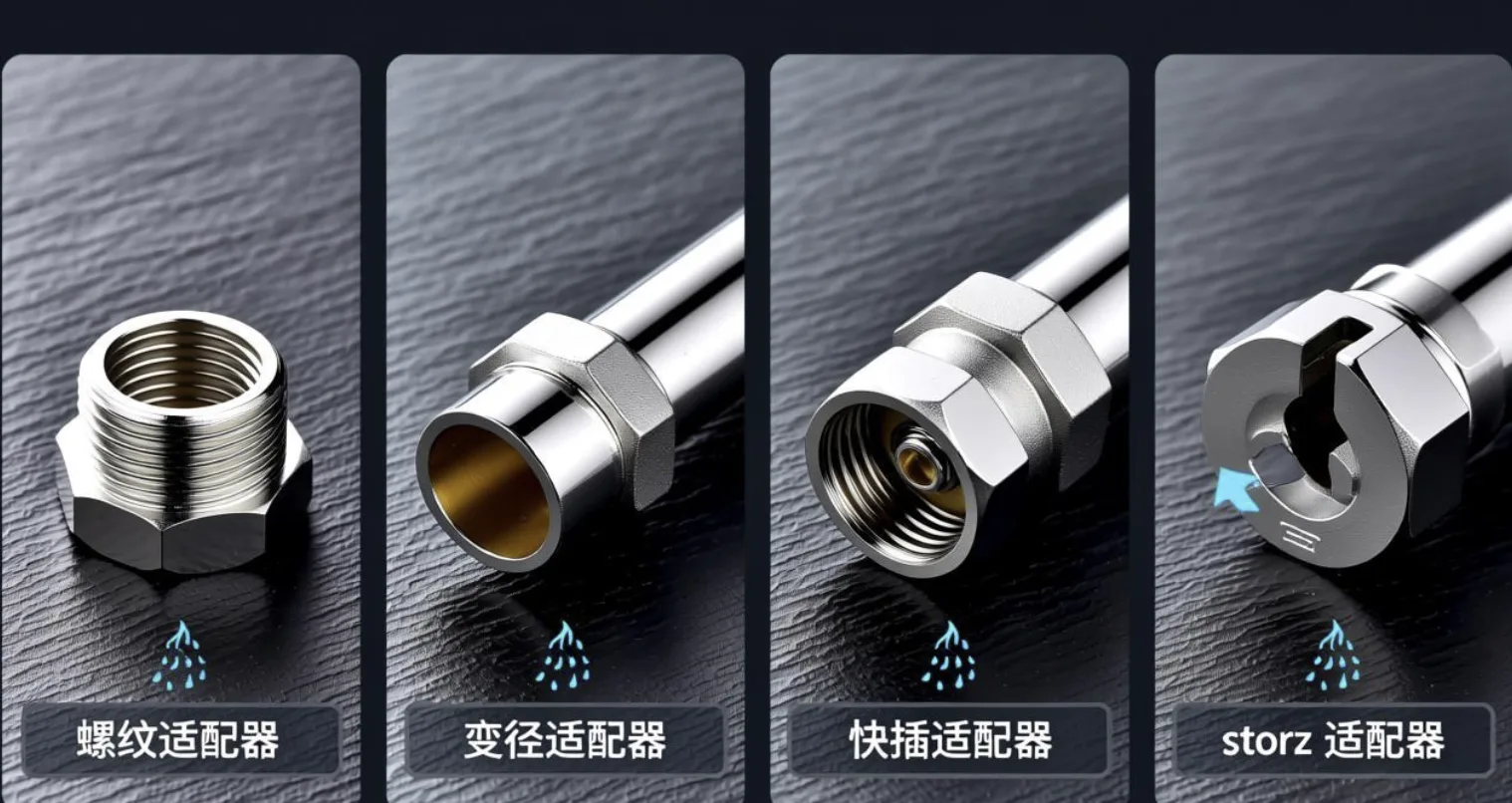
Types of Firefighting Hose Adaptors
There are several types of firefighting adaptors, each designed for specific applications:
- Thread Adaptors – Connect hoses with different thread standards
- Reducing Adaptors – Join hoses of different diameters
- Quick Connect Adaptors – Allow fast and easy hose connections
- Storz Adaptors – Commonly used in European firefighting systems
Choosing the right adaptor depends on your equipment setup and operational requirements.
How Firefighting Adaptors Work
Firefighting adaptors function by creating a secure and leak-proof connection between incompatible components. They are typically made from durable materials such as brass, aluminum, or stainless steel to withstand high pressure and harsh environments.
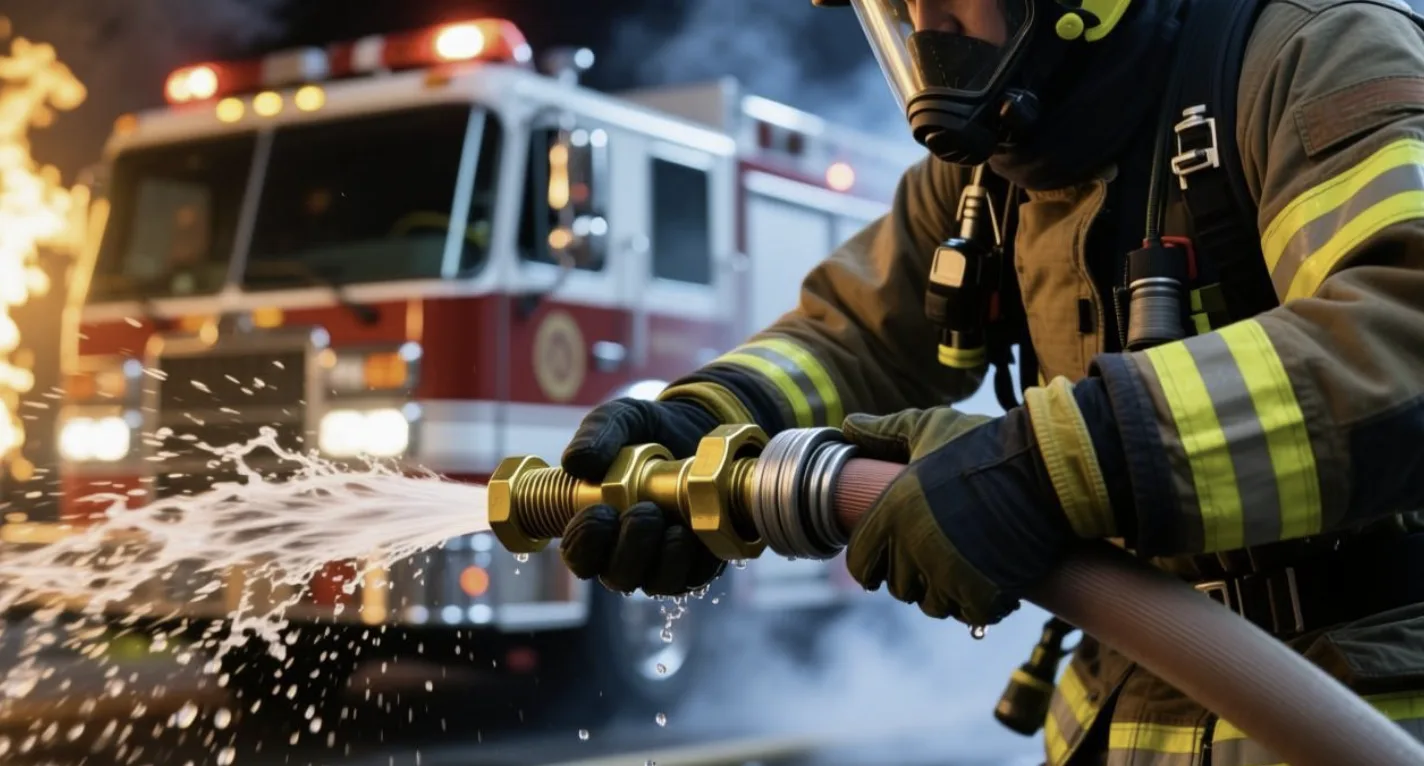
During operation, the adaptor bridges the gap between two different fittings, allowing water to flow efficiently through the system. This ensures uninterrupted water supply during firefighting operations, which is critical for safety and effectiveness.
Why Are Firefighting Adaptors Important?
Firefighting adaptors are essential for ensuring flexibility and compatibility in emergency situations. Their key benefits include:
- Improved compatibility between different equipment
- Faster deployment during firefighting operations
- Reliable and leak-proof connections
- Adaptability to various firefighting systems
For fire departments, industrial facilities, and safety teams, having the right adaptors can significantly improve response efficiency and safety.
How to Choose the Right Firefighting Adaptor
When selecting a firefighting adaptor, consider the following factors:
- Thread type and size compatibility
- Material durability and corrosion resistance
- Pressure rating requirements
- Application environment (industrial, municipal, etc.)
Choosing the correct adaptor ensures long-term performance and safe operation.
FAQ
1. What is the purpose of a fire hose adaptor?
A fire hose adaptor connects hoses or equipment with different sizes or thread types, ensuring compatibility and smooth water flow.
2. What types of firefighting adaptors are available?
Common types include thread adaptors, reducing adaptors, quick-connect adaptors, and Storz adaptors.
3. Are firefighting adaptors universal?
No, different regions use different standards, so adaptors are needed to connect incompatible systems.
4. What materials are firefighting adaptors made from?
They are usually made from brass, aluminum, or stainless steel for durability and high-pressure resistance.
About Word Fire
Word Fire is a professional supplier of high-quality firefighting equipment, dedicated to delivering reliable and efficient fire protection solutions worldwide. Our product range includes fire hoses, adaptors, valves, and complete firefighting systems designed to meet international standards.
With a strong focus on quality and innovation, Word Fire supports fire safety professionals, industrial facilities, and emergency response teams with dependable equipment for every situation.