
A fire extinguisher is an active fire protection device used to extinguish or control small fires, often in emergency situations. It typically consists of a hand-held cylindrical pressure vessel containing an agent which can be discharged to extinguish a fire. According to the
Fundamental Mechanics of Fire Extinguisher Operation
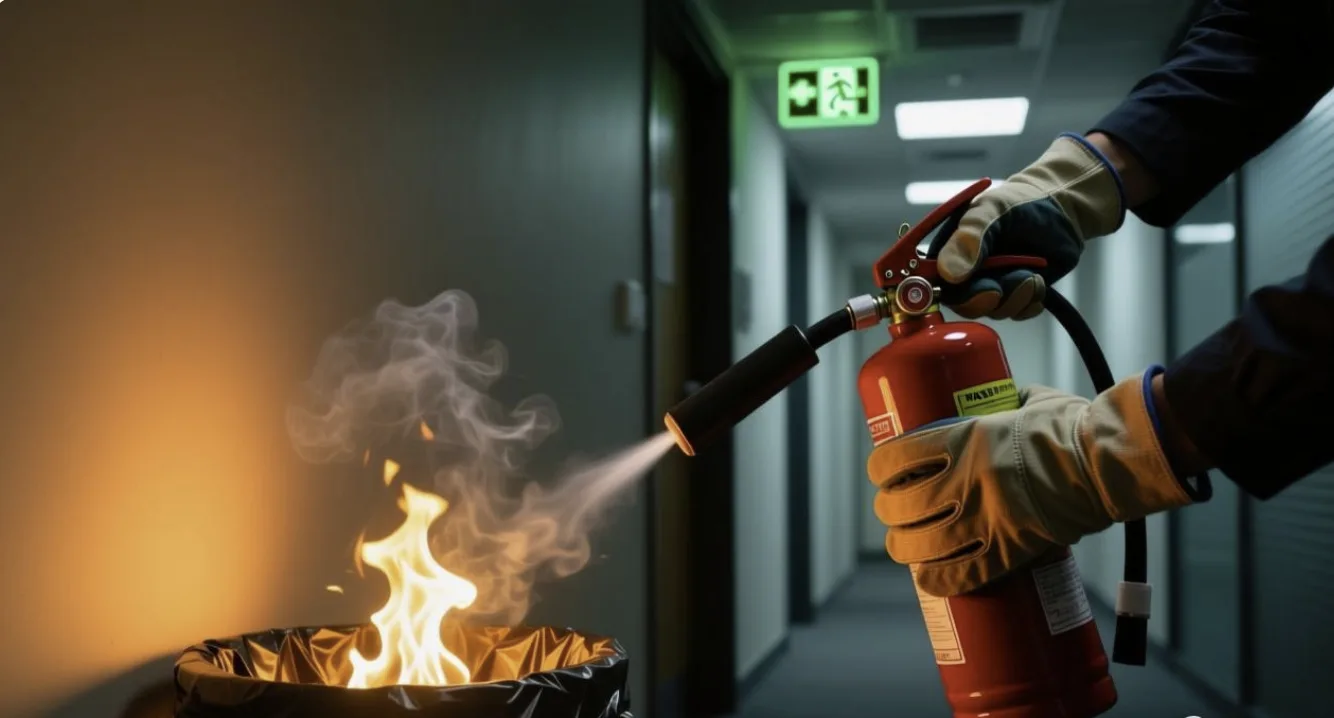
The primary function of a fire extinguisher is to remove at least one of the four elements required for fire: heat, fuel, oxygen, or the chemical chain reaction. Most modern devices utilize a propellant, such as compressed nitrogen or carbon dioxide, to force the extinguishing agent out of the nozzle at high velocity. When the safety pin is removed and the lever is squeezed, a rod pushes down a spring-mounted valve, opening a passage to the discharge nozzle. This mechanism allows a
Understanding the Fire Tetrahedron and Suppression Agents
Fire suppression technology is based on the “Fire Tetrahedron” model, which adds “uninhibited chemical chain reaction” to the traditional fire triangle of heat, fuel, and oxygen. According to data from the
| Fire Component | Extinguishing Strategy | Common Agent Used |
| Heat | Cooling the fuel below ignition point | Water, Mist |
| Oxygen | Smothering or displacing air | Carbon Dioxide (CO2) |
| Fuel | Separating or coating the fuel source | Aqueous Film-Forming Foam (AFFF) |
| Chain Reaction | Chemically inhibiting combustion | Dry Chemical Powder |
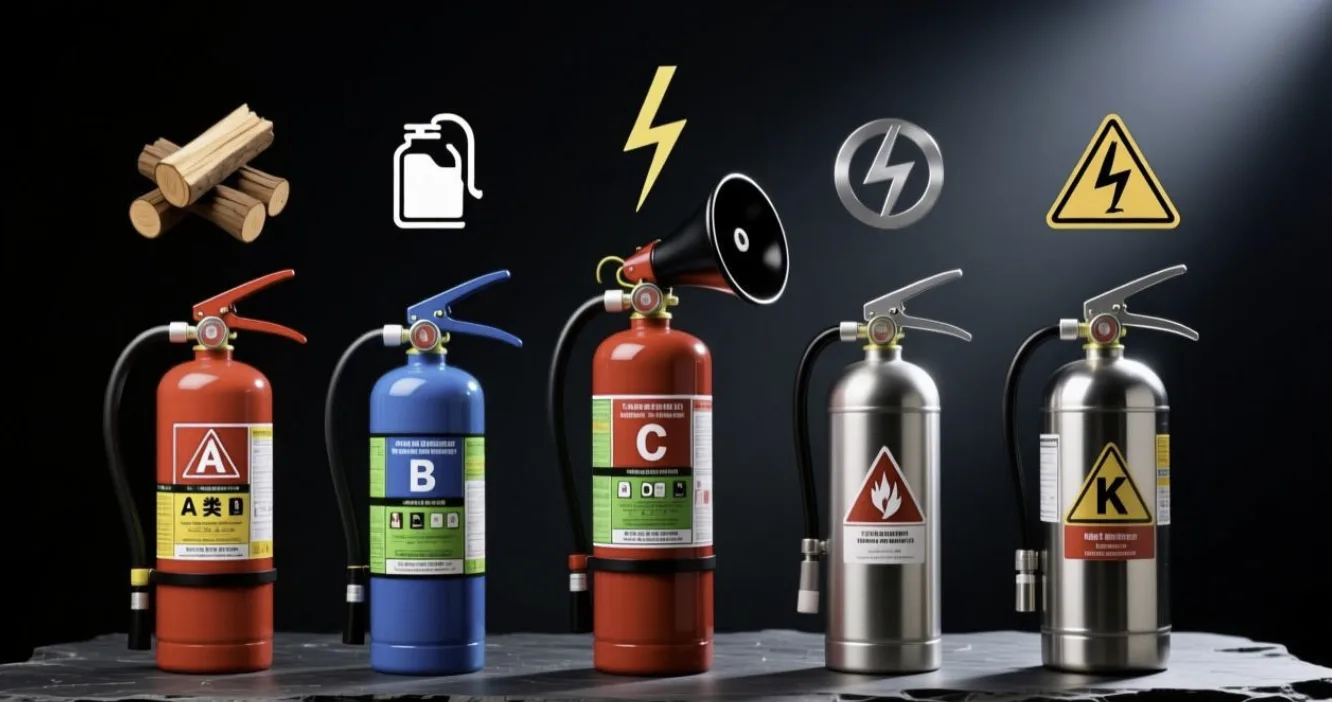
Classification of Fire Extinguishers by Fuel Type
International standards, including those established by the
Technical Specifications and Pressure Ratings
Fire extinguishers are manufactured to meet rigorous pressure vessel standards to prevent accidental rupture. The
The PASS Technique for Emergency Fire Suppression
The effectiveness of a fire extinguisher depends significantly on the user’s technique during the initial seconds of ignition. The industry-standard “PASS” acronym provides a simplified operational procedure: Pull the pin, Aim at the base of the fire, Squeeze the lever, and Sweep side-to-side. Research from the
Maintenance and Inspection Requirements for Reliability
Fire extinguishers require systematic inspections to guarantee performance during a fire event. NFPA 10 standards mandate monthly visual inspections to check for physical damage, blockage, and pressure levels. Additionally, an annual maintenance inspection by a certified technician is necessary to verify the condition of the internal agent and seals. For
Environmental Impact of Extinguishing Agents
The environmental footprint of fire suppressants is a growing concern in the safety industry. Halon extinguishers, once common, were phased out under the
FAQ
What is the difference between a rechargeable and a disposable fire extinguisher?
Rechargeable models feature metal valves and can be serviced and refilled after use. Disposable units typically have plastic valves and must be replaced entirely after 12 years or once discharged. Checking the valve assembly material is the fastest way to identify the unit’s serviceability.
Can I use a fire extinguisher on a deep fryer or grease fire?
Only Class K wet chemical extinguishers are safe for grease fires. Standard extinguishers or water will cause the burning oil to splash and spread the fire violently. Class K agents create a soapy foam layer that cools the oil and seals out oxygen to prevent re-ignition.
How do I determine if a fire is too large to use an extinguisher?
Portable extinguishers are intended for incipient-stage fires roughly the size of a small wastebasket. If flames reach the ceiling, smoke fills the room, or you cannot stay within six feet of the fire due to heat, the fire is too large. Evacuate immediately and call emergency services.
Why does the pressure gauge needle move out of the green zone?
The needle indicates internal pressure; a drop into the red zone usually suggests a slow leak in the seal or valve. Extreme temperature changes can also cause minor fluctuations. Any unit with a needle outside the green zone is unreliable and requires professional inspection or replacement.
What should I do with a fire extinguisher after it has been used?
A used extinguisher must be recharged or replaced immediately, even if only partially discharged. Residual powder in the valve often prevents it from sealing, causing a total pressure loss over time. Contact a certified safety professional to ensure the device is restored to full operational readiness.