
Selecting the appropriate fire suppression equipment is a critical component of life safety and property protection. According to the
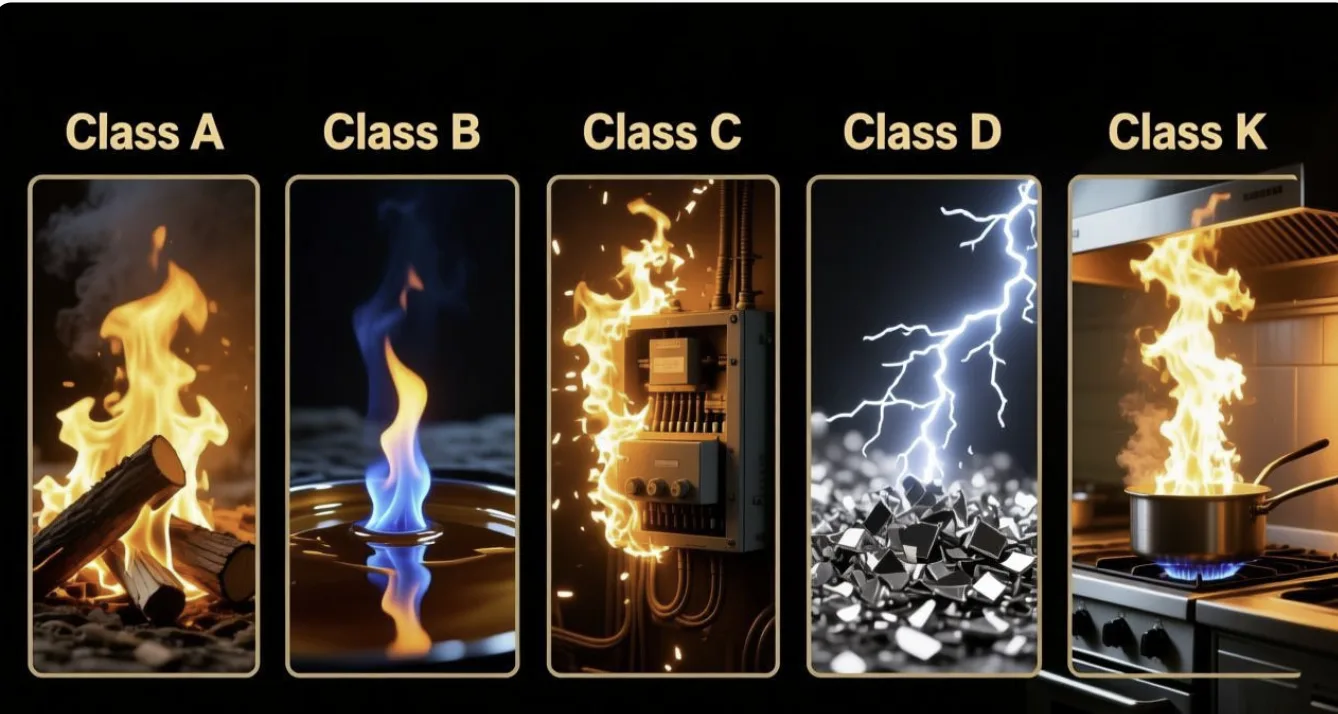
Identifying Fire Classifications for Effective Extinguisher Selection
The first step in choosing a fire extinguisher is identifying the types of flammable materials present in a specific area. The
| Fire Class | Fuel Source | Common Environments |
| Class A | Wood, Paper, Cloth, Rubber, Plastics | Homes, Offices, Warehouses |
| Class B | Gasoline, Oil, Paint, Flammable Gas | Garages, Workshops, Laboratories |
| Class C | Energized Electrical Equipment | Server Rooms, Data Centers |
| Class D | Combustible Metals (Magnesium, Sodium) | Industrial Plants, Factories |
| Class K | Cooking Oils, Animal Fats, Greases | Commercial Kitchens, Restaurants |
Evaluating UL Ratings and Extinguishing Capacity
Underwriters Laboratories (UL) provides a standardized rating system that quantifies the effectiveness of an extinguisher against specific fire sizes. According to
Comparing Extinguishing Agents for Residential and Commercial Use
Different chemical agents utilize unique mechanisms to interrupt the fire tetrahedron, which consists of heat, fuel, oxygen, and a chemical chain reaction. Multi-purpose dry chemical units containing monoammonium phosphate are the most common for residential settings because they address Class A, B, and C fires simultaneously. In contrast, a
| Agent Type | Mechanism of Action | Ideal Application |
| Dry Chemical | Interrupts chemical chain reaction | General Purpose / Multi-risk |
| Carbon Dioxide | Displaces oxygen and removes heat | Electrical / Sensitive Tech |
| Water / Mist | Removes heat (Cooling effect) | Paper / Wood / Textiles |
| Clean Agent | Chemically inhibits combustion | Archives / Data Centers |
Determining Proper Extinguisher Size and Weight for Users
The physical weight of an extinguisher affects its portability and ease of use during high-stress situations. Standard sizes typically range from 2.5 lbs to 20 lbs (1.1 kg to 9 kg). While larger units offer higher extinguishing capacity, they may be difficult for some individuals to lift and maneuver. Statistics from the
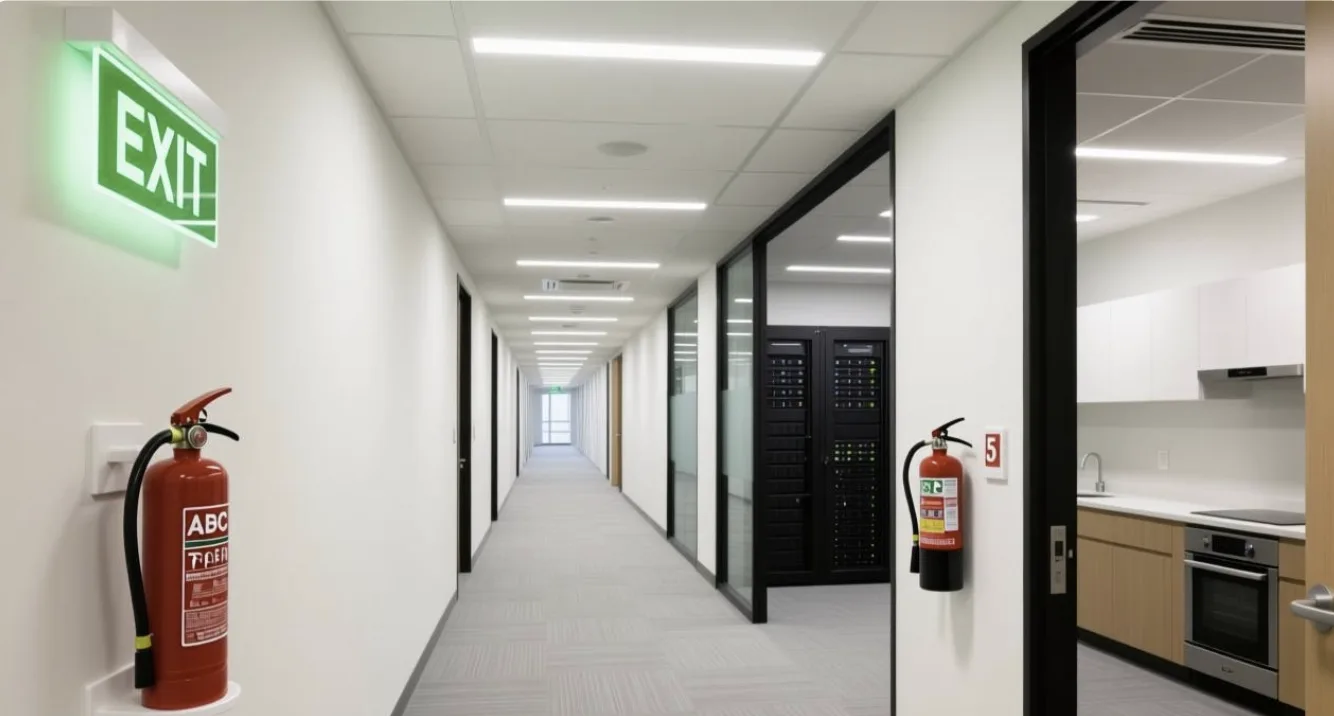
Siting and Placement Strategies for Maximum Accessibility
Strategic placement ensures that fire suppression equipment is available within seconds of fire detection. The
Maintenance and Inspection Protocols for Operational Readiness
Ongoing maintenance is vital to ensure that a fire extinguisher functions correctly when deployed. NFPA 10 guidelines require a three-tier inspection process: monthly visual checks, annual professional maintenance, and periodic hydrostatic testing. Visual inspections verify that the pressure gauge is in the green zone, the safety seal is intact, and the nozzle is free of debris. For a
Analyzing Environmental Factors and Clean Agent Alternatives
Environmental considerations are increasingly influencing the selection of fire suppression systems. Traditional Halon extinguishers were phased out under the
FAQ
How do I verify if a fire extinguisher is still functional?
Operational readiness is confirmed by checking that the pressure gauge needle is in the green zone, ensuring the safety pin and tamper seal are intact, and inspecting the cylinder for physical damage, rust, or nozzle blockages.
What is the primary difference between rechargeable and disposable models?
Rechargeable units use metal valves and can be professionally refilled and serviced after use, whereas disposable units typically use plastic valves and must be replaced entirely after a single discharge or reaching their expiration date.
Should I have different extinguishers for different rooms?
Yes, specific risks require tailored agents. Kitchens require Class B or K protection for grease and oil, while living areas with wood or paper are best served by Class A or multipurpose ABC units to ensure comprehensive coverage.
What are the ideal storage conditions for fire safety equipment?
Units should be stored in accessible, visible locations where temperatures remain between -40°F and 120°F. Avoid high-moisture areas that promote cylinder corrosion, and use mounting brackets or cabinets to prevent mechanical damage or accidental discharge.
How do I choose a fire extinguisher for a car or truck?
Select a compact 2.5-lb or 5-lb ABC dry chemical unit. It is essential to ensure the package includes a vehicle-rated mounting bracket to keep the cylinder secure during transit and easily accessible during an engine or upholstery fire.