
Fire Extinguisher Replacement
Fire extinguishers are essential safety devices, but they don’t last forever. Understanding the fire extinguisher replacement cycle or how often extinguishers should be replaced helps ensure your safety equipment remains effective.
- Most portable fire extinguishers have a lifespan of 5 to 15 years, depending on type and manufacturer
- Even if unused, internal pressure and extinguishing agents may degrade over time
- Regular inspection is required to determine whether replacement is needed or only refilling/service is enough
- Disposable models often require full replacement after a single use or expiration date
In general, checking the label and manufacturer instructions is the first step in determining the correct replacement timeline.
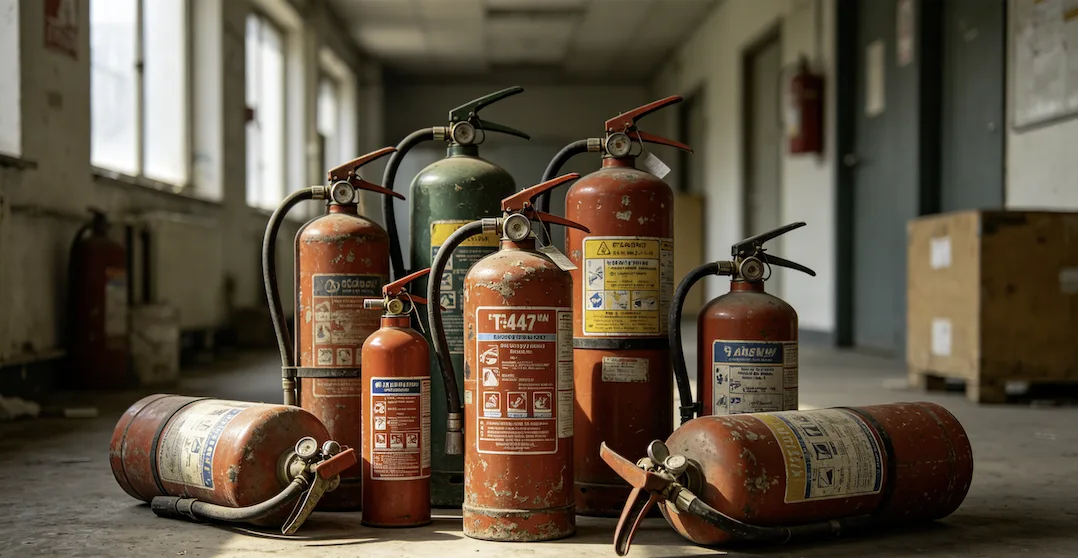
Signs That Indicate Fire Extinguisher Needs Replacement
Beyond expiration dates, there are clear warning signs that a fire extinguisher should be replaced immediately:
- Pressure gauge shows undercharged or overcharged levels
- Visible rust, corrosion, or physical damage on the cylinder
- Broken safety pin or tamper seal missing
- Nozzle blockage or hose cracking
- Past expiration date or missing inspection record
If any of these conditions appear, replacing the unit is safer than attempting repair, especially in commercial or industrial environments.
Maintenance vs Replacement: What’s the Difference?
Many users confuse fire extinguisher maintenance with replacement, but they are not the same.
Maintenance includes:
Routine inspections (monthly or annually)
Pressure checks and cleaning
Refilling extinguishing agents after partial use
Replacement is required when:
The extinguisher reaches end-of-life
Structural damage is detected
It fails safety certification tests
It is a disposable single-use model
Regular maintenance can extend usability, but it cannot replace the need for full unit replacement when the equipment is outdated.
How Often Should Fire Extinguishers Be Inspected?
To ensure safety compliance and functionality, fire extinguishers should follow a strict inspection schedule:
- Monthly visual checks in homes and offices
- Annual professional inspection by certified technicians
- Hydrostatic testing every 5–12 years depending on extinguisher type
- Immediate inspection after any usage, even partial discharge
Following these intervals helps reduce the risk of failure during emergencies and supports compliance with fire safety regulations.
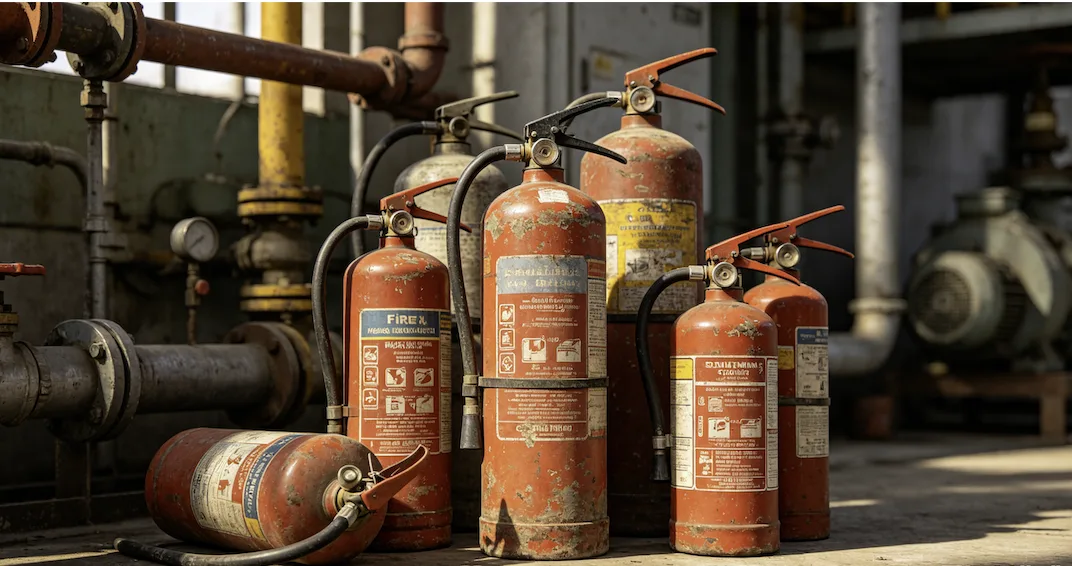
Choosing High-Quality Fire Safety Products for Long-Term Reliability
Selecting durable and certified fire extinguishers can reduce replacement frequency and improve safety performance.
- Choose products that meet international safety standards (UL, CE, ISO)
- Prefer corrosion-resistant materials for longer service life
- Ensure clear pressure indicators and easy maintenance design
- Work with trusted manufacturers for consistent quality control
At Pntek Plastic, we specialize in providing high-quality plastic products and industrial components, supporting a wide range of manufacturing and safety-related applications. Through our website,we share product insights, technical knowledge, and industry solutions. Our company focuses on advanced manufacturing technology, strict quality control systems, and reliable production capabilities to serve global customers across multiple industries.
FAQ
How often should fire extinguishers be replaced?
Most fire extinguishers should be replaced every 5–15 years depending on type, condition, and manufacturer guidelines.
Can a fire extinguisher be refilled instead of replaced?
Yes, rechargeable models can be refilled after use, but damaged or expired units must be replaced.
What is the lifespan of a fire extinguisher?
Typically 10 years on average, but it varies based on maintenance and environmental conditions.
Do unused fire extinguishers expire?
Yes, even unused extinguishers expire due to pressure loss and material degradation.
What happens if I use an expired fire extinguisher?
It may fail during emergency use, leading to ineffective fire suppression and increased safety risk.