
Why Home Fire Extinguisher Safety Matters for Every Household
Understanding home fire extinguisher safety tips for homeowners is essential for preventing small accidents from turning into major disasters. Every household faces potential fire risks, so preparation is key.
- Kitchen fires from cooking oil and unattended stoves are the most common hazards
- Electrical faults and overloaded outlets can quickly trigger house fires
- Early use of a fire extinguisher can significantly reduce damage
- Proper fire safety awareness improves family emergency response
Being prepared ensures you can act quickly and confidently in an emergency situation.
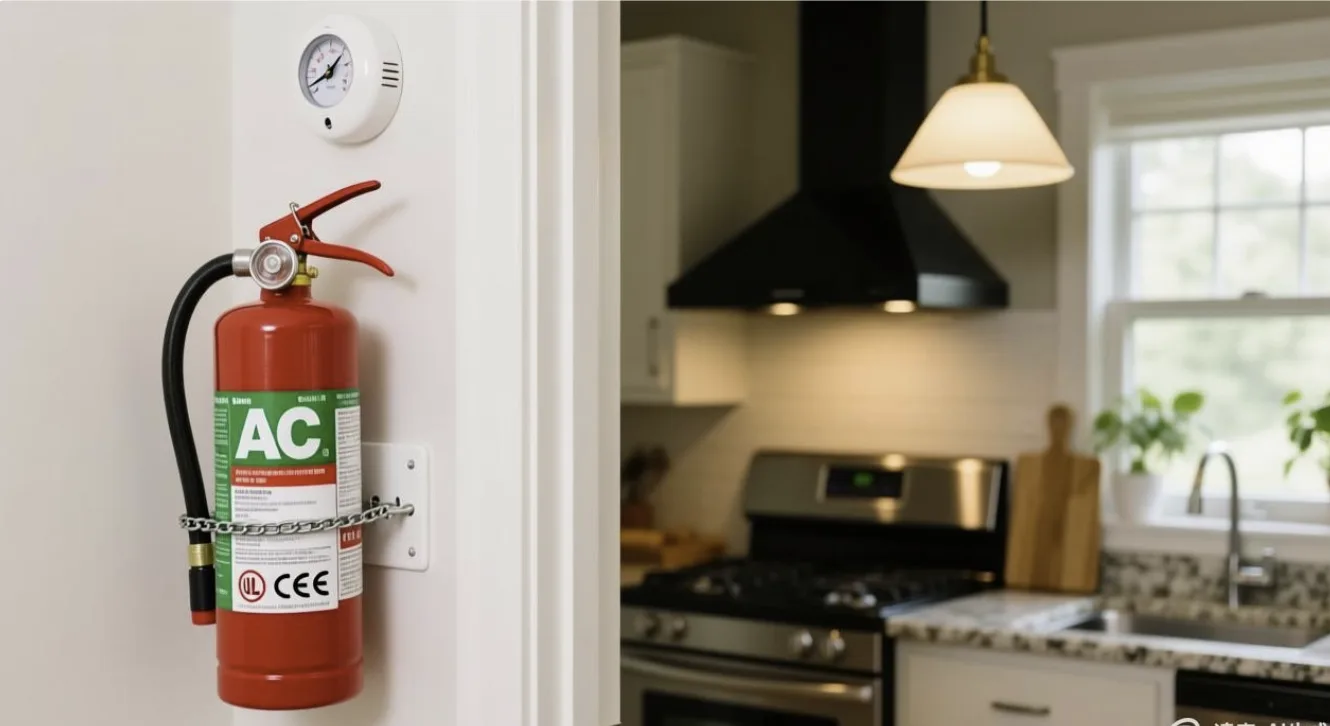
Choosing the Right Fire Extinguisher for Household Fire Protection
Selecting the correct residential fire extinguisher type is a critical step in home fire safety planning.
- ABC dry chemical extinguishers: Best for general household use
- Class K extinguishers: Designed for kitchen grease fires
- Compact, lightweight models are ideal for quick emergency handling
- Always check certification labels (UL, CE, ISO) before purchasing
Additional tips:
- Place extinguishers in easily accessible locations
- Choose models with clear pressure gauges
- Prefer durable and corrosion-resistant materials
How to Properly Use a Fire Extinguisher at Home
Knowing how to use a fire extinguisher in a home emergency can make a life-saving difference.
Follow the PASS technique:
Pull the safety pin
Aim at the base of the fire
Squeeze the handle
Sweep side to side
Keep a safe distance while operating
Ensure your back is facing an exit route
Never attempt to fight large or spreading fires
Proper usage increases the chance of quickly controlling small fires.
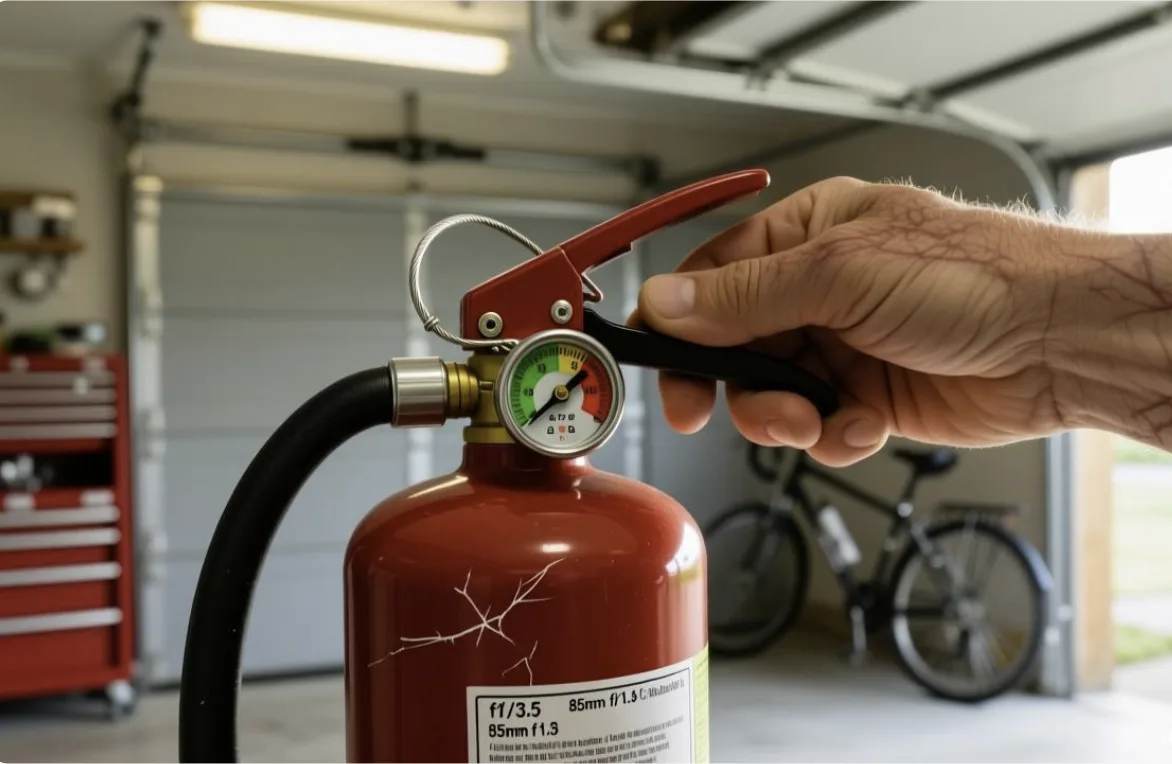
Fire Extinguisher Maintenance and Household Safety Checks
Regular fire extinguisher maintenance for home safety ensures reliability when needed most.
- Check pressure gauge every month
- Inspect for rust, leakage, or physical damage
- Confirm safety pin and seal are intact
- Schedule professional inspection once a year
- Replace or recharge after any usage
Additional home safety practices:
- Install extinguishers in kitchen, garage, and hallways
- Keep them visible and easy to access
- Educate all family members on basic fire response steps
Building a Complete Home Fire Safety Plan
Fire extinguishers are only one part of a full home fire prevention strategy.
- Install smoke detectors in key rooms
- Create and practice evacuation routes with family members
- Store flammable materials safely away from heat sources
- Keep emergency contacts clearly posted
A combined approach of prevention, detection, and response provides the strongest protection for any home.
Company World Fire Introduction
At World Fire Blog,we focus on delivering professional fire safety knowledge, product insights, and industry guidance for global users. Our platform is dedicated to improving fire prevention awareness and supporting safer environments.
Our expertise includes:
- Fire safety education and emergency preparedness guidance
- Information on fire extinguishers, alarms, and safety equipment
- Industrial fire protection solutions and best practices
- Technical articles supporting safety compliance and standards
We are committed to promoting reliable fire safety knowledge and helping individuals and businesses improve their protection strategies through accurate, practical, and easy-to-understand content.
FAQ
What type of fire extinguisher is best for home use?
An ABC dry chemical extinguisher is the most suitable for general household fire protection.
Where should I place a fire extinguisher at home?
It should be placed in high-risk areas like the kitchen, garage, and near exit doors.
How often should I check my home fire extinguisher?
A monthly visual inspection and annual professional service are recommended.
Can I use a fire extinguisher on all types of home fires?
No, different fire classes require specific extinguisher types for safe and effective use.
What is the correct way to use a fire extinguisher?
Use the PASS method: Pull, Aim, Squeeze, and Sweep while keeping a safe escape route.