
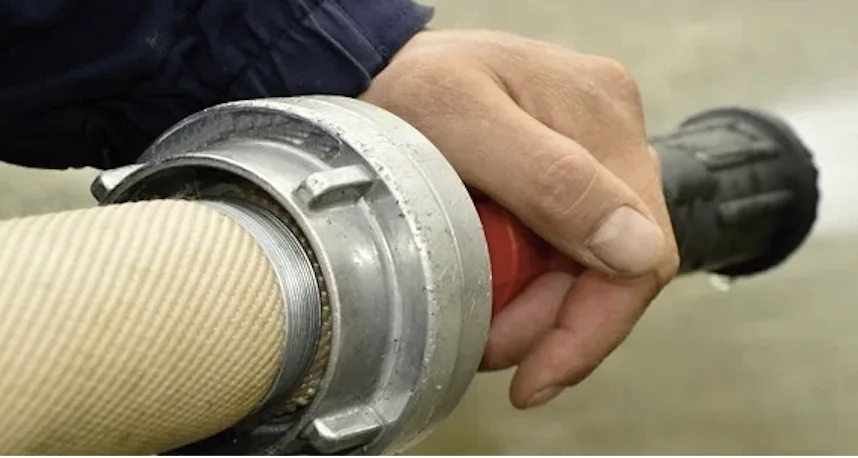
A fire hose reel is a first-response fire protection device that stores a semi-rigid hose on a rotating drum and delivers a controlled water stream for Class A fires such as paper, wood, and textiles. Fire hose reel systems are commonly installed in commercial buildings, factories, warehouses, schools, and public facilities because the hose reel can be operated quickly before fire growth accelerates. According to the National Fire Protection Association (NFPA), early fire control and accessible suppression equipment significantly improve incident outcomes. A properly maintained fire hose reel supports rapid intervention, stable water delivery, and easier operation than loose hose storage.
Fire Hose Reel Definition and Primary Function
A fire hose reel is a fixed firefighting appliance connected to a building water supply. The unit typically includes a drum, inlet valve, nozzle, mounting bracket, and semi-rigid hose. When an operator opens the valve and pulls the hose, pressurized water travels through the hose and exits the nozzle.
The primary function of a fire hose reel system is immediate response during the early stage of a fire. Unlike portable extinguishers, a hose reel can provide a continuous water source as long as supply pressure remains available. Many facilities use fire hose reel cabinet systems to protect equipment and improve visibility in corridors or service areas.
How Does a Fire Hose Reel Work?
A fire hose reel works through direct connection to a pressurized water network or fire pump line. Once the isolation valve is opened, water fills the hose and remains available at the nozzle. The operator pulls the required hose length, aims the nozzle, and selects jet or spray pattern if adjustable.
Basic operating sequence:
Open cabinet door or access point
Pull hose toward fire location
Open stop valve or nozzle valve
Direct stream at fire base
Shut off water after control is achieved
The U.S. Occupational Safety and Health Administration (OSHA) emphasizes that emergency equipment must remain accessible and unobstructed to ensure effective use during incidents.
Main Components of a Fire Hose Reel System
Each fire hose reel contains engineered parts that affect reliability and water flow. Damage to one component can reduce performance or create leakage.
| Component | Function | Typical Material |
|---|---|---|
|
Hose Reel Drum |
Stores and rotates hose |
Steel / Powder-coated steel |
|
Semi-Rigid Hose |
Carries water to nozzle |
Rubber / PVC lined |
|
Stop Valve |
Controls water entry |
Brass / Bronze |
|
Nozzle |
Shapes stream pattern |
Brass / Composite |
|
Cabinet |
Protects unit and improves access |
Steel / Stainless steel |
Buildings that require compact installations often select wall mounted fire hose reel units for corridors, stair cores, and service rooms.
Standard Fire Hose Reel Sizes and Technical Specifications
Most commercial hose reels use smaller-diameter hose than municipal firefighting hose. Common hose lengths range from 20 m to 36 m depending on code requirements and floor coverage. Common hose internal diameters include 19 mm and 25 mm.
| Specification | Common Range | Operational Purpose |
|---|---|---|
|
Hose Length |
20–36 m |
Reach coverage area |
|
Hose Diameter |
19–25 mm |
Flow and handling balance |
|
Working Pressure |
Site dependent |
Stable discharge |
|
Mounting Type |
Swing / Fixed |
Space efficiency |
The British Standards Institution (BSI) and regional codes often define installation, performance, and maintenance requirements for hose reel systems.
Fire Hose Reel vs Fire Extinguisher
A fire hose reel and a fire extinguisher serve different operational roles. A hose reel supplies continuous water, while an extinguisher contains a limited stored agent charge.
| Feature | Fire Hose Reel | Fire Extinguisher |
|---|---|---|
|
Agent Supply |
Continuous water source |
Limited stored agent |
|
Best Use |
Class A combustibles |
Depends on extinguisher type |
|
Duration |
Longer operation time |
Short discharge period |
|
User Skill Need |
Basic hose handling |
Correct extinguisher selection |
For mixed-risk buildings, many managers combine hose reels with extinguishers and fire protection equipment packages.
Where Fire Hose Reels Are Commonly Installed
Fire hose reels are frequently installed where occupants need accessible first-aid firefighting tools. Typical locations include:
Office buildings
Shopping centers
Warehouses
Manufacturing plants
Parking structures
Educational campuses
Hotels and hospitals
The U.S. Fire Administration notes that building preparedness measures reduce evacuation delays and support faster emergency response. Placement should follow travel-distance rules and local fire code requirements.
Projects requiring visible placement often use red fire hose reel cabinets for fast identification.
Inspection and Maintenance of Fire Hose Reel Equipment
A fire hose reel must be inspected regularly because inactivity can hide valve seizure, hose cracking, or nozzle blockage. Poor maintenance can cause failure during emergency use.
Recommended maintenance checklist:
Confirm clear access path
Inspect hose surface for cracks or abrasion
Operate valve and nozzle briefly
Check leaks at joints and spindle
Verify signage visibility
Record service date
The National Institute of Standards and Technology (NIST) consistently supports preventive maintenance practices for safety-critical systems.
Facilities replacing old units often compare commercial fire hose reel replacements with updated valves and corrosion-resistant cabinets.
How to Choose the Right Fire Hose Reel
Selection should be based on code compliance, occupancy type, and water supply conditions. The wrong model may reduce coverage or complicate maintenance.
Use these criteria:
Required hose length and floor reach
Hose diameter and target flow
Swing or fixed mounting type
Cabinet indoor or outdoor rating
Valve standard and connection size
Corrosion environment exposure
Local certification requirement
Industrial sites often specify industrial fire hose reel systems for heavy-duty use and harsher environments.
Key Fire Hose Reel Safety Limits
A standard fire hose reel is mainly intended for Class A combustible materials. A water-based hose reel should not be the first choice for energized electrical fires, flammable liquid fires, or reactive metal fires unless local procedures specifically allow controlled use.
The NIOSH highlights hazard-specific response planning as an essential part of workplace safety. Correct equipment matching prevents escalation and operator injury.
FAQ
1. What is the difference between a fire hose reel and a fire hose?
A fire hose reel is a fixed building appliance with a hose stored on a drum. A fire hose usually refers to larger layflat or attack hose used by firefighters and connected manually to pumps or hydrants.
2. Can a fire hose reel extinguish any type of fire?
No. A standard water hose reel is mainly suitable for Class A combustibles such as wood, paper, and fabric. Electrical, oil, solvent, or metal fires often require different extinguishing agents and trained response methods.
3. How often should a fire hose reel be serviced?
Service intervals depend on local regulations and occupancy risk. Many facilities conduct monthly visual checks and annual professional maintenance. High-use or corrosive environments may need more frequent inspection schedules.
4. Why does a fire hose reel use a smaller hose than firefighter hose lines?
A smaller semi-rigid hose is easier for occupants to pull, aim, and rewind. Building hose reels prioritize accessibility and first-response usability rather than the high-flow attack volumes used by municipal fire crews.
5. Can a fire hose reel lose pressure over time?
Yes. Valve wear, blocked strainers, leaks, inadequate building supply pressure, or pump issues can reduce discharge performance. Periodic flow testing helps confirm that the hose reel still meets operational requirements.