
In firefighting systems, every connection matters. Two commonly used components—adapters and couplers—are essential for linking hoses and equipment. While they may look similar, they serve different purposes. Understanding the difference between an adapter and a coupler in firefighting equipment is important for ensuring compatibility, efficiency, and safety during operations.
What Is a Firefighting Adapter?
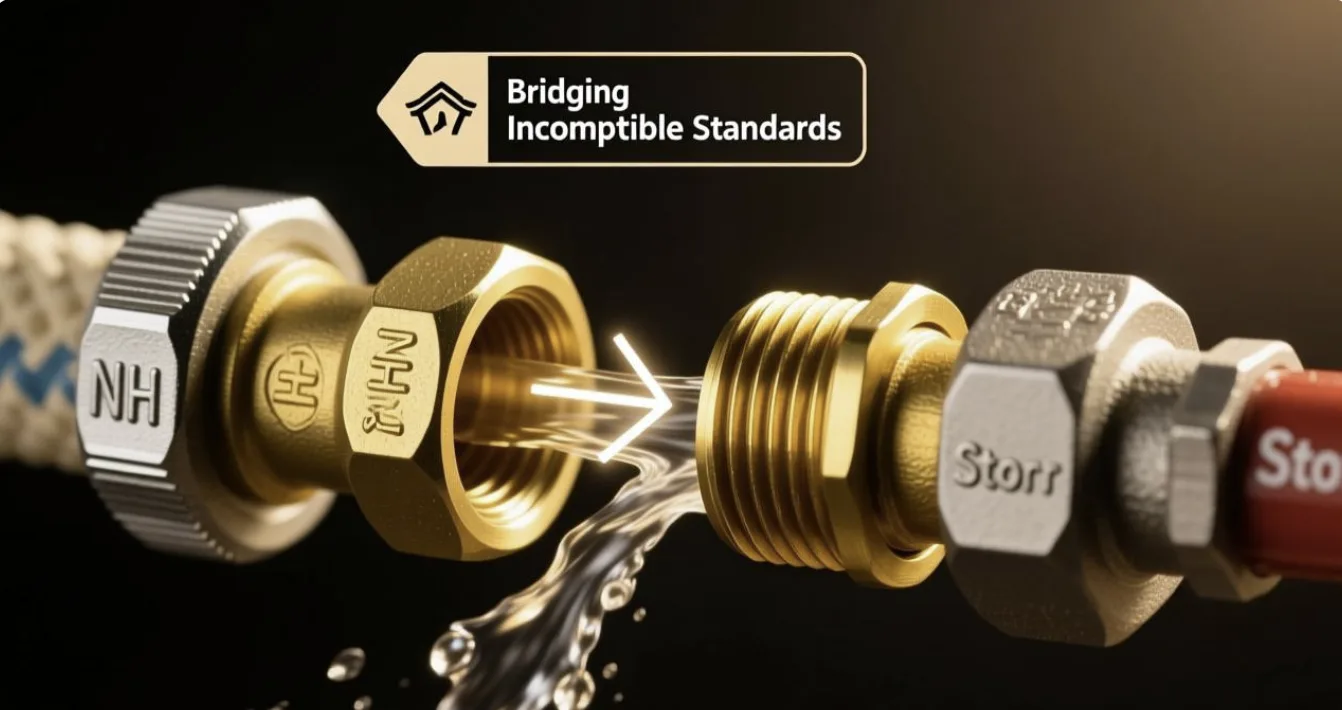
A firefighting adapter is a connector used to join two components with different sizes, thread types, or standards. It acts as a bridge between incompatible fittings, allowing them to work together seamlessly.
For example, if a fire hose has one type of thread and a hydrant has another, an adapter is required to connect them. This makes adapters highly versatile and essential in situations where equipment varies by region or manufacturer.
What Is a Firefighting Coupler?
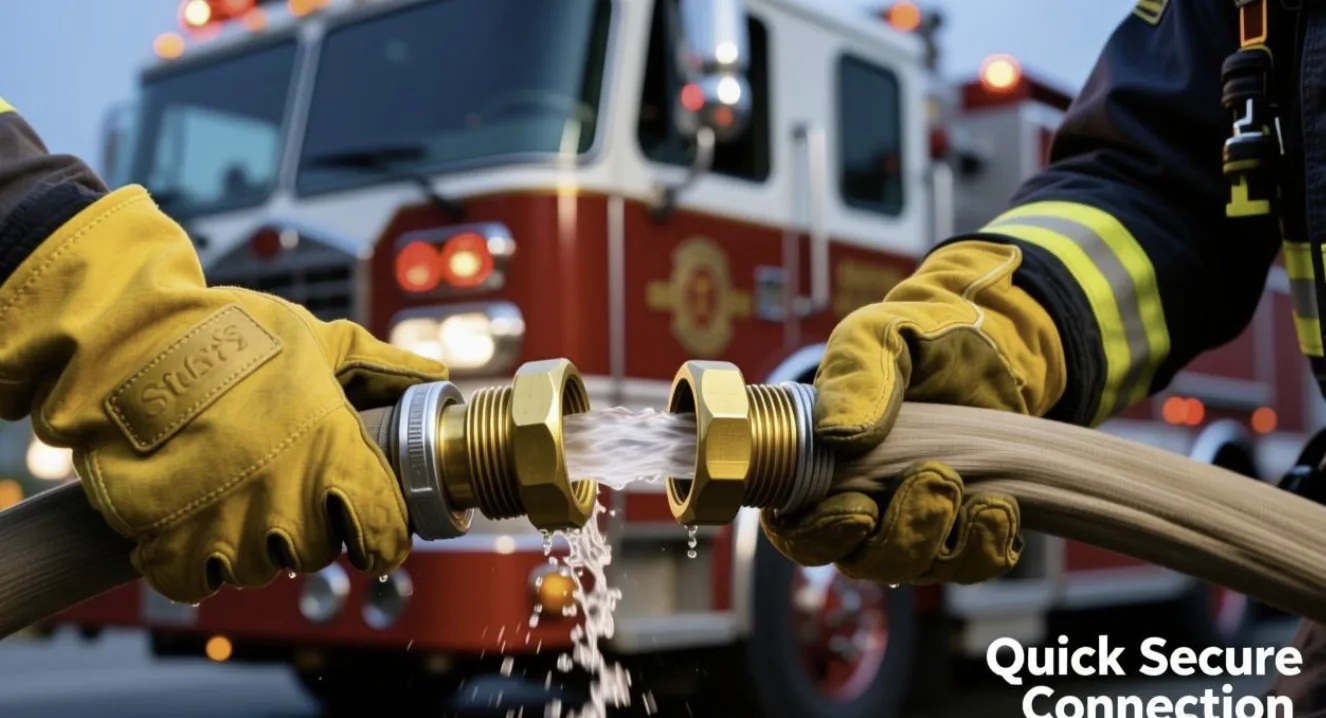
A coupler (or coupling) is used to connect two hoses or components of the same type and size. Its main function is to extend hose length or connect compatible equipment quickly and securely.
Couplers are designed for efficiency and speed, especially in emergency situations where rapid deployment is critical. Unlike adapters, they do not change thread types or sizes—they simply connect matching components.
Key Differences Between Adapters and Couplers
Understanding the differences between these two components can help you choose the right equipment:
Function:Adapters connect incompatible fittings, while couplers connect compatible ones
Usage:Adapters are used for conversion; couplers are used for extension or direct connection
Flexibility:Adapters offer more flexibility across different systems
Application:Couplers are commonly used in standard hose connections, while adapters are used when mismatched fittings are involved
In short, adapters solve compatibility issues, while couplers provide quick and secure connections.
Applications in Firefighting Systems
Both adapters and couplers are widely used in firefighting scenarios:
- Connecting fire hoses to hydrants
- Extending hose lines during operations
- Linking different firefighting systems
- Supporting emergency and industrial fire protection setups
Using the correct component ensures efficient water flow and minimizes delays during critical operations.
How to Choose Between an Adapter and a Coupler
When selecting between an adapter and a coupler, consider the following:
- If the connection involves different sizes or thread types, use an adapter
- If the components are compatible, use a coupler
- Check pressure ratings and material durability
- Ensure compliance with regional standards
Choosing the right fitting improves safety and operational efficiency.
FAQ
What is the purpose of a fire hose adaptor?
A fire hose adaptor connects hoses or equipment with different sizes or thread types, ensuring compatibility and smooth water flow.
What types of firefighting adaptors are available?
Common types include thread adaptors, reducing adaptors, quick-connect adaptors, and Storz adaptors.
Are firefighting adaptors universal?
No, different regions use different standards, so adaptors are needed to connect incompatible systems.
What materials are firefighting adaptors made from?
They are usually made from brass, aluminum, or stainless steel for durability and high-pressure resistance.
About Word Fire
Word Fire is a professional supplier of high-quality firefighting equipment, dedicated to delivering reliable and efficient fire protection solutions worldwide. Our product catalogue includes fire hoses, adapters, couplers, valves, and complete firefighting systems designed to meet international standards.
With a strong focus on quality and innovation, Word Fire supports fire safety professionals, industrial facilities, and emergency response teams with dependable equipment for every situation.