
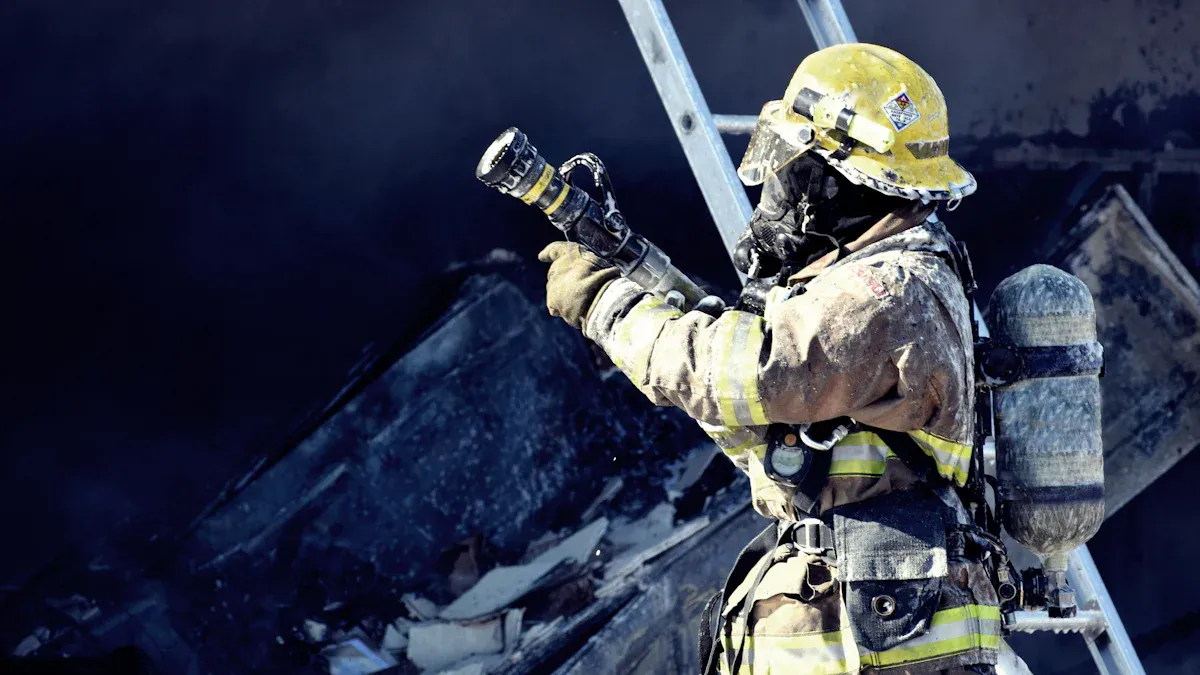
Fire fighting equipment and gear play a crucial role in ensuring safety during emergencies. They assist firefighters in effectively combating blazes and preventing fire-related injuries. Recent statistics reveal that fire injuries occurred in 54 countries, highlighting the importance of well-maintained equipment like the fire hydrant valve and foam fire extinguisher. Additionally, the use of fire hose coupling and fire nozzle is essential for efficient water delivery. Proper selection and maintenance of these tools, including powder fire extinguishers, are vital for optimal performance.
Key Takeaways
- Fire fighting equipment is essential for safety and effective fire suppression. Proper tools protect lives and property during emergencies.
- Regular inspections and maintenance of fire fighting gear ensure functionality and compliance with safety standards. Schedule checks at least annually.
- Choosing the right fire fighting equipment depends on the environment and fire classifications. Assess risks to select appropriate tools for effective response.
Types of Fire Fighting Equipment
Fire Extinguishers
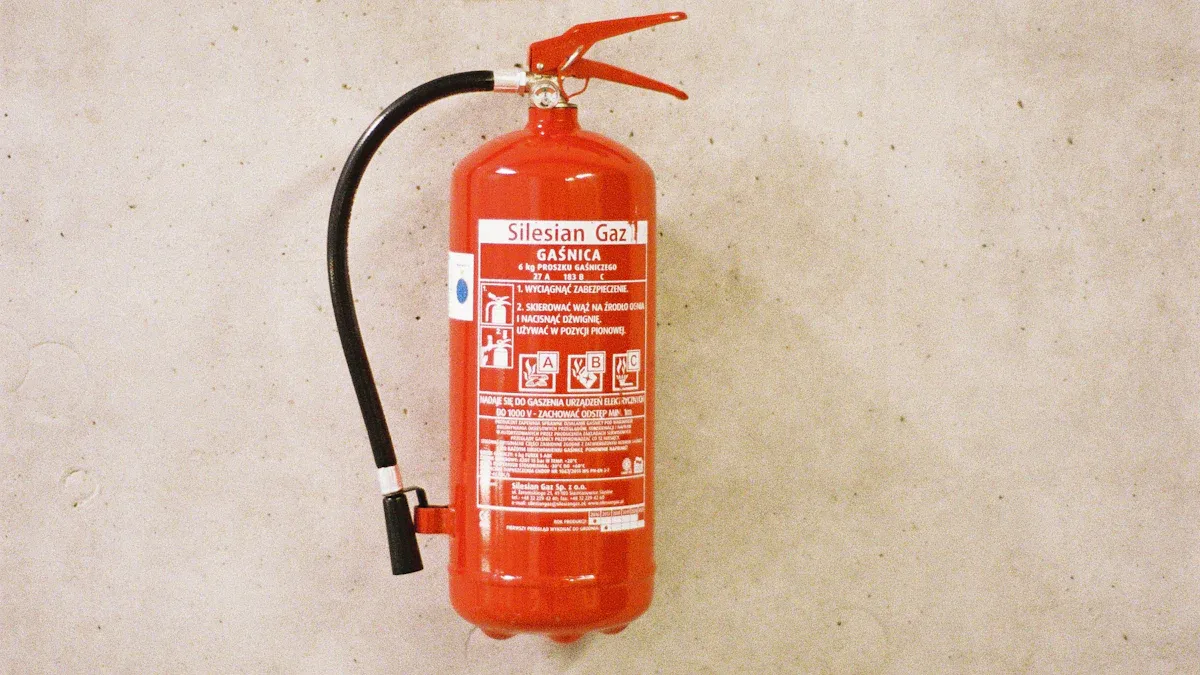
Fire extinguishers serve as the first line of defense against small fires. They come in various types, each designed for specific fire classes. The table below outlines the different types of fire extinguishers and their specific uses:
| Type of Fire Extinguisher | Specific Use |
|---|---|
| Water and Foam Extinguishers | Effective against Class A fires (wood, paper) by cooling the fire. |
| Carbon Dioxide Extinguishers | Ideal for Class B and C fires (flammable liquids, electrical equipment). |
| Dry Chemical Extinguishers | Versatile for Class A, B, and C fires by interrupting the chemical reaction. |
| Wet Chemical Extinguishers | Designed for Class K fires (kitchen fires) by creating a soap-like solution. |
| Clean Agent Extinguishers | Suitable for sensitive equipment, effective for Class B, C, and sometimes A. |
| Dry Powder Extinguishers | Specialized for Class D fires (combustible metals) by isolating the fuel. |
| Water Mist Extinguishers | Safe for various fires, including electrical, with minimal conductivity. |
| Foam Extinguishers | Effective against liquid fires (oils, alcohols) by forming a barrier. |
Fire Alarms and Detectors
Fire alarms and detectors are essential for early fire detection. They alert occupants to potential dangers, allowing for timely evacuation. The most common types include:
| Type of Detector | Description |
|---|---|
| Ionization | Detects fast-burning fires by disrupting an electrical current when smoke enters. |
| Photoelectric | Uses a laser beam that is scattered by smoke to trigger the alarm, effective for small fires. |
| Heat | Activates when a change in air temperature is detected, often used in storage facilities. |
| Combined Ionization and Photoelectric | A hybrid detector that combines both methods for rapid smoke detection, considered highly effective. |
Research indicates that having operational smoke alarms can nearly double survival odds in home fires. They can reduce the annual home fire fatality rate by over 37%, emphasizing their critical role in fire safety.
Personal Protective Equipment (PPE)
Personal protective equipment (PPE) is vital for firefighter safety. Essential components include:
- Helmet: Protects the skull from impacts.
- Protective hood: Offers limited thermal protection.
- Eye protection: Includes face shields and goggles.
- Structural firefighting protective footwear: Must be water-resistant and slip-resistant.
- Structural firefighting protective gloves: Provide thermal protection and a good fit.
- Structural firefighting protective coat and pants: Protect against thermal and mechanical hazards.
Recent advancements in PPE technology focus on better protection from chemical and thermal exposures. Innovations include enhanced respiratory systems and personal cooling systems, ensuring that firefighters remain safe and comfortable during operations.
Fire Hoses and Nozzles
Fire hoses and nozzles are crucial for delivering water to extinguish fires. Different types of hoses serve various purposes:
- Attack Hoses: Used for direct fire suppression, available in diameters from 1.5 to 3 inches.
- Supply Hoses: Designed to move large volumes of water, typically 3.5 to 6 inches in diameter.
- Booster Hoses: Smaller hoses (¾ to 1 inch) for initial fires or mop-up operations.
- Forestry Hoses: Lightweight hoses (1 to 1.5 inches) for wildland firefighting.
Nozzles also play a significant role in fire suppression. Smooth bore nozzles produce a solid stream with maximum reach, while combination (fog) nozzles can adjust stream patterns for versatility.
Fire Blankets
Fire blankets are essential tools for addressing small fires, particularly in kitchens. They can be quickly deployed over small fires, making them a fast solution compared to fire extinguishers. Fire blankets work by smothering the fire and cutting off its oxygen supply. Their uncomplicated design allows anyone to extinguish small fires quickly without extensive training.
Fire Trucks and Apparatus
Fire trucks and apparatus are vital for effective firefighting operations. Different types of fire trucks serve various purposes:
| Type of Fire Truck | Purpose and Features |
|---|---|
| Type 1 Fire Truck | Commonly used for structural firefighting and EMS response, equipped with a pump and various firefighting tools. |
| Heavy Rescue Vehicle | Designed for technical rescues, carrying specialized tools for complex operations. |
| Wildland Fire Engine | Built for wildfires, with off-road capabilities and smaller water tanks for mobility. |
| Quint Fire Truck | Combines pumper and aerial ladder features, providing versatile firefighting and rescue capabilities. |
| Tiller Truck | Highly maneuverable aerial truck, primarily for elevated rescue and firefighting. |
| Brush Truck | Small, agile vehicle for wildland firefighting, equipped for off-road terrain. |
| Command Vehicle | Mobile command center for managing emergency operations, equipped with communication and mapping tools. |
Specialized fire apparatus improve emergency response times by ensuring that firefighters have the right tools and equipment readily available.
Choosing the Right Fire Fighting Equipment
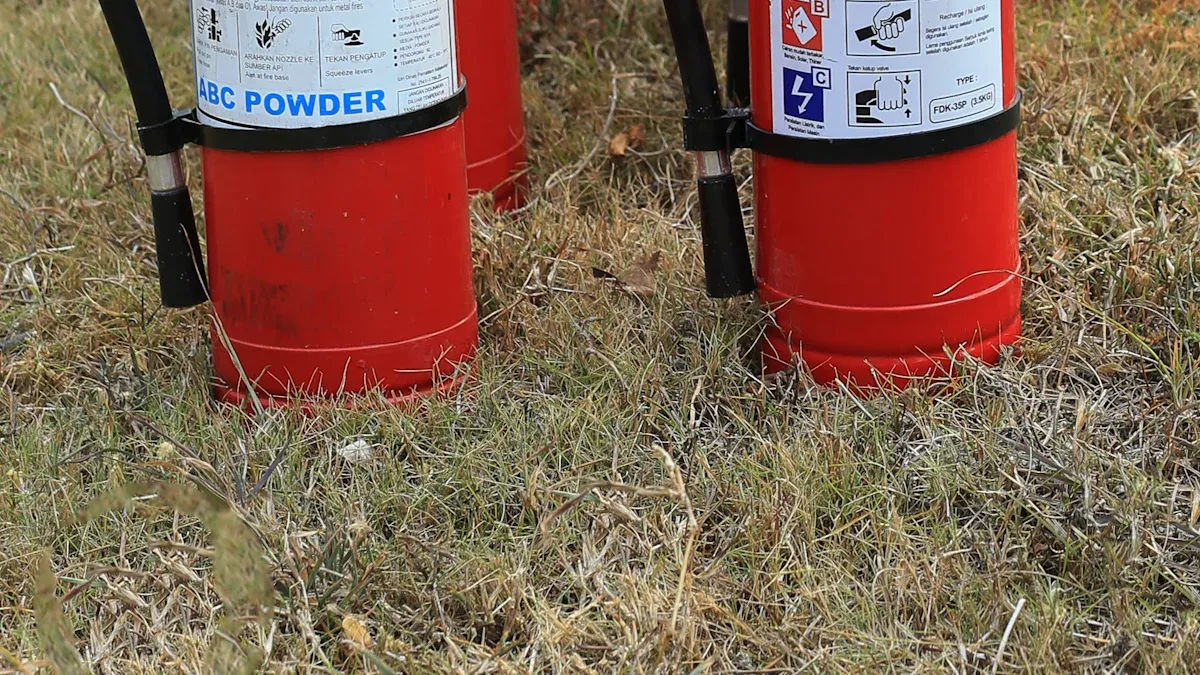
Selecting the appropriate fire fighting equipment is essential for effective fire prevention and response. Various factors influence this decision, including environmental conditions, fire classifications, budget constraints, and regulatory compliance.
Assessing Your Environment
Understanding the specific environment where fire fighting equipment will be used is crucial. Different settings present unique challenges and risks. Consider the following factors when assessing your environment:
| Factor | Description |
|---|---|
| Pressure Rating & Flow Capacity | Check working and burst pressure ratings for hoses, hydrants, and nozzles. Match with pump systems to avoid pressure mismatch. |
| Material & Environmental Resistance | Use stainless steel or corrosion-resistant brass in chemical or humid environments. Ensure UV-resistant rubber hoses for outdoor facilities. |
| Hazard Classification | Choose extinguishers based on fire class (A, B, C, E) to match the specific risks present in the environment. |
| Certification & Standard Compliance | Ensure equipment carries ISI mark and conforms to relevant standards for safety and reliability. |
| Maintenance & Spare Availability | Choose manufacturers who offer spare parts and maintenance contracts to ensure readiness of fire systems. |
Conducting a thorough risk assessment helps identify specific hazards. This process is vital for determining the necessary levels of personal protective equipment (PPE) required for safe operations. Incident commanders must prioritize risks to both civilians and firefighters, ensuring that selected PPE is appropriate for the conditions encountered during emergencies.
Understanding Fire Classifications
Fire classifications significantly impact equipment selection. Different types of fires require specific extinguishing agents. Familiarity with these classifications ensures that responders have the right tools for effective fire control. The table below outlines the main fire classifications:
| Hazardous Zone | Equipment Category | Protection Level |
|---|---|---|
| Zone 0 / 20 | Category 1 | Very high level of protection |
| Zone 1 / 21 | Category 2 | High level of protection |
| Zone 2 / 22 | Category 3 | Normal level of protection |
Understanding these classifications allows firefighters to choose the right extinguishers and other equipment tailored to the specific risks present in their environment.
Budget Considerations
Budget constraints often affect the quality and quantity of fire fighting gear purchased. Many fire departments face significant financial limitations due to limited municipal funding or budget cuts. These constraints can hinder their ability to hire staff, purchase necessary equipment, and upgrade facilities.
To navigate these challenges, fire chiefs and procurement officers can use a Return on Investment (ROI) calculator. This tool helps substantiate purchasing decisions with quantifiable financial benefits. Even with limited funds, prioritizing critical gear ensures that essential safety measures remain in place.
The average cost range for essential fire fighting equipment for small businesses is as follows:
| Product Name | Price Range (USD) |
|---|---|
| EN469 Nomex DuPont Firefighting Suit | $110.00 – $215.00 |
| Factory Wholesale Hard Hats | $8.80 – $9.60 |
| Fire Fighting Hat (F2 Helmet) | $21.00 – $24.00 |
| ABC Dry Powder Fire Extinguisher | $5.00 |
Compliance with Regulations
Compliance with fire safety regulations is non-negotiable. Adhering to these regulations ensures that fire fighting equipment meets safety standards. Key regulations include:
- Regular inspections of fire alarms, sprinklers, and extinguishers are crucial to ensure they function properly.
- Exits must be clearly marked and kept unobstructed to facilitate quick evacuation during emergencies.
- Different types of fire extinguishers are designed for specific fire types, making it vital to use the correct one for effective fire control.
- Regular fire safety training for employees is necessary to ensure preparedness for emergencies.
Staying informed about updates to fire safety codes, especially from the National Fire Protection Association (NFPA), is crucial. Changes can impact compliance status and operational procedures. Regular inspections, testing, and documentation are necessary to ensure adherence to current standards.
Maintenance and Safety Practices for Fire Fighting Equipment
Regular Inspections
Regular inspections of fire fighting equipment are essential for ensuring functionality and compliance with safety standards. Fire departments should conduct visual checks and thorough servicing by qualified personnel at least annually or semi-annually. Recommended practices include:
- Maintain fire extinguishers with weekly visual checks and annual servicing.
- Test fire alarm systems weekly and service them every six months.
- Inspect emergency lighting and exit signs regularly.
These inspections help identify potential failures, ensuring that equipment remains ready for effective performance during emergencies.
Proper Storage
Proper storage of fire fighting equipment enhances accessibility and prolongs its lifespan. Firefighters should follow these guidelines:
- Regularly dry-brush dust and soot from gear.
- Rinse water-resistant gear and dry it properly.
- Organize and store equipment for easy access.
By maintaining a clean and organized storage area, firefighters can quickly locate the necessary tools during emergencies.
Training and Drills
Training and drills are vital for ensuring that personnel can effectively use fire fighting equipment. Regular training sessions should cover:
- Equipment operation and maintenance.
- Emergency response protocols.
- Safety procedures.
Conducting drills helps reinforce skills and prepares firefighters for real-life scenarios. This practice builds confidence and ensures readiness.
Updating Equipment
Updating fire fighting equipment is crucial for maintaining safety and effectiveness. Fire departments should regularly assess their gear and replace outdated items. Key considerations include:
- Compliance with current safety standards.
- Performance capabilities of existing equipment.
- Availability of newer technologies that enhance safety.
Diligent maintenance and timely updates extend the lifespan of fire safety assets, maximizing return on investment and ensuring optimal performance during emergencies.
Being well-equipped for fire safety is essential. Investing in high-quality fire fighting tools and gear is crucial, as the firefighting clothing market is projected to grow significantly. Preparedness with proper equipment correlates with reduced fire damage and loss, highlighting the importance of proactive measures in fire prevention.
FAQ
What is the importance of fire fighting equipment?
Fire fighting equipment is crucial for effective fire suppression and safety during emergencies. It helps protect lives and property from fire hazards.
How often should fire fighting equipment be inspected?
Inspect fire fighting equipment at least annually. Regular checks ensure functionality and compliance with safety standards.
What types of fire fighting equipment are essential for homes?
Essential fire fighting equipment for homes includes fire extinguishers, smoke detectors, and fire blankets. These tools enhance safety and preparedness.