

OEM (Original Equipment Manufacturer) and ODM (Original Design Manufacturer) play crucial roles in the production of firefighting equipment, including fire valves. Fire hydrant valves, for instance, are often produced by OEM manufacturers who create components based on designs provided by other companies, ensuring adherence to specific standards. In contrast, ODM manufacturers design and manufacture products, allowing clients to focus on marketing. Understanding the distinctions between OEM vs. ODM for fire valves is essential for businesses when choosing the right OEM/ODM manufacturer for UL/FM certified fire valves. Additionally, companies often wonder, "Which is more cost-effective for fire valves: OEM or ODM? What’s the difference between OEM and ODM manufacturers for fire valves?" This knowledge can significantly impact their decision-making process.
Key Takeaways
- OEM manufacturers create products based on client designs, ensuring quality and compliance with safety standards.
- ODM manufacturers handle the entire design and manufacturing process, allowing companies to focus on marketing and distribution.
- Consider your need for design control and budget when choosing between OEM and ODM manufacturers for fire valves.
- OEMs typically have longer lead times and higher costs, while ODMs offer faster production and lower upfront expenses.
- Both OEM and ODM manufacturers provide customization options, but the extent and flexibility may vary.
Roles of OEM Manufacturers
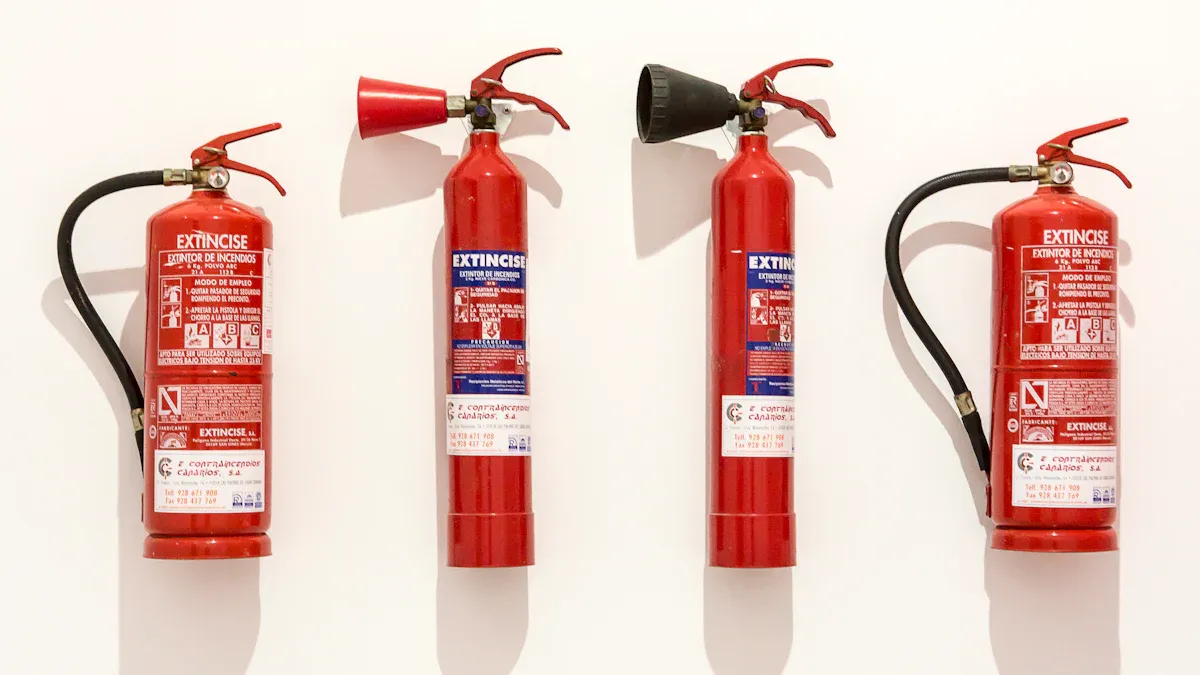
OEM manufacturers play a vital role in the production of fire valves. They focus on creating components based on designs provided by other companies. This process allows businesses to maintain control over their product specifications while relying on OEMs for manufacturing expertise. Here are some key responsibilities of OEM manufacturers:
- Design Implementation: OEMs take existing designs and transform them into tangible products. They ensure that the final product aligns with the original specifications.
- Quality Assurance: OEM manufacturers implement strict quality control measures. They conduct regular inspections and testing to ensure that every valve meets industry standards.
- Compliance with Standards: OEMs confirm compliance with recognized safety standards, such as UL, FM, and ISO. This compliance guarantees that the fire valves perform safely and effectively.
To illustrate how OEM manufacturers ensure compliance with fire safety standards, consider the following table:
| Key Factor | Description |
|---|---|
| Certifications and Safety Standards | Confirm compliance with recognized safety standards (e.g., UL, FM, ISO) to ensure performance and safety. |
| Consistent Quality and Compliance | Reliable suppliers deliver products that meet industry standards, minimizing risks of defects and legal liabilities. |
| Quality Control Processes | Suppliers should conduct regular inspections and testing to ensure every valve meets specifications. |
By focusing on these roles, OEM manufacturers contribute significantly to the reliability and safety of fire valves. Their expertise allows companies to deliver high-quality products to the market while adhering to essential safety regulations. This collaboration ultimately enhances the overall effectiveness of fire safety systems.
Roles of ODM Manufacturers
ODM manufacturers play a significant role in the fire valve industry by providing comprehensive design and manufacturing services. They take on the responsibility of creating products from the ground up, allowing companies to focus on marketing and distribution. Here are some key functions of ODM manufacturers:
- Design and Development: ODMs handle the entire design process, from concept to prototype. They work closely with clients to ensure that the final product meets specific requirements and market needs.
- Manufacturing Expertise: ODM manufacturers utilize advanced technology and skilled labor to produce high-quality fire valves. Their expertise ensures that products are both reliable and efficient.
- Customization: ODMs offer tailored solutions to meet unique customer demands. They can modify designs based on feedback and market trends, providing flexibility in product offerings.
To illustrate the main functions of ODM manufacturers in the fire valve industry, consider the following table:
| Function | Description |
|---|---|
| Control Water Flow | Manages the opening, closing, and flow rate of water to ensure a reliable supply during emergencies. |
| Protect Firefighting System Safety | Prevents issues like backflow and leakage, ensuring safe operation of the firefighting system. |
| Emergency Water Supply Switching | Allows switching between water sources for continuous supply in large buildings or industrial sites. |
| Facilitate Maintenance and Inspection | Enables independent shutdown for easier maintenance without disrupting the entire system. |
By fulfilling these roles, ODM manufacturers contribute significantly to the effectiveness and safety of fire valves. Their ability to innovate and adapt to market needs allows companies to offer reliable firefighting solutions that meet stringent safety standards. This collaboration ultimately enhances the overall performance of fire safety systems.
Key Differences Between OEM and ODM
Understanding the key differences between OEM and ODM manufacturers is essential for businesses in the fire valve industry. Each type of manufacturer offers distinct advantages and operates under different principles. Below are the primary differences that set OEMs and ODMs apart:
| Aspect | OEM (Original Equipment Manufacturer) | ODM (Original Design Manufacturer) |
|---|---|---|
| Product Design | Highly customized to client specifications | Primarily designs products in-house |
| Customization | Offers extensive customization options | Typically rebrands or slightly customizes existing products |
| Intellectual Property | Client retains IP rights for their designs | Most IP rights remain with the ODM |
| Role of Manufacturer | Manufactures products based on client designs | Leases out products for clients to sell |
| R&D Investment | Clients conduct their own R&D and market research | ODMs handle product design and development |
The production processes also differ significantly between OEM and ODM manufacturers. For instance, lead times can vary greatly. OEM production typically requires 16 to 24 weeks due to tooling and sampling time. In contrast, ODM production can be completed in just 6 to 10 weeks, benefiting from existing tooling and faster time-to-market.
| Production Type | Lead Time (Weeks) | Notes |
|---|---|---|
| OEM | 16 to 24 | Includes tooling and sampling time |
| ODM | 6 to 10 | Faster time-to-market due to existing tooling |
Minimum order quantities (MOQs) also differ between the two types of manufacturers. OEMs often require larger orders, while ODMs may have more flexible options. For example, some manufacturers may require a full container for custom products, while others might not impose any minimum order requirements.
| Manufacturer | Product Type | Minimum Order Quantity |
|---|---|---|
| Macro Fire Supply | Custom Portable ABC Dry Powder Fire Extinguisher | One 20-foot container |
| BB Valve | 2.5 Hose Angle Valve | No minimum |
Customization capabilities further highlight the differences between OEM and ODM manufacturers. OEMs can accept custom designs and offer professional design teams, while ODMs can develop new products based on samples or drawings, providing flexibility in product offerings.
| Customization Type | OEM Capability | ODM Capability |
|---|---|---|
| Logo Printing | Yes | Yes |
| Custom Packaging | Yes | Yes |
| Product Design | Custom designs accepted, professional design team available | Custom designs accepted, can develop new products based on samples or drawings |
Advantages of OEM Manufacturers
OEM manufacturers offer several advantages for companies in the fire valve industry. Their expertise and resources can significantly enhance product quality and reliability. Here are some key benefits of choosing OEM manufacturers:
- High-Quality Materials: OEMs often use superior materials, such as aluminum and brass, which contribute to the durability of fire valves. For instance, aluminum is lightweight and cost-effective, while brass provides superior strength and corrosion resistance. The use of high-quality materials enhances the overall lifespan of the products, reducing the risk of premature wear.
| Material | Advantages |
|---|---|
| Aluminum | Lightweight, cost-effective |
| Brass | Superior strength, corrosion resistance |
| High-quality materials enhance durability | |
| Poor material choices lead to premature wear |
- Comprehensive Support Services: OEM manufacturers provide extensive support to brand owners. They offer a quality warranty, ensuring that brass valves come with a five-year warranty and stainless steel valves with a seven-year warranty. This warranty includes free replacements for defects, which builds trust with customers.
| Service Type | Description |
|---|---|
| Quality Warranty | 5-year warranty for brass valves and 7-year for stainless steel, including free replacements for defects. |
| Technical Support | 24-hour engineering team for installation guidance and custom design support. |
| Global Logistics & Packaging | 72-hour urgent delivery and protective packaging for long-distance transport. |
| Long-Term Supply Partnership | Dedicated account managers for stable pricing and inventory management. |
| One-Stop Customization | Tailored specifications to meet regional standards and production requirements. |
- Efficiency in Production: OEM manufacturers streamline the production process. Their established systems and processes allow for efficient manufacturing, reducing lead times and ensuring timely delivery of products. This efficiency is crucial in the fire safety industry, where timely access to equipment can save lives.
By leveraging these advantages, companies can enhance their product offerings and ensure compliance with safety standards. OEM manufacturers play a vital role in supporting businesses in the fire valve market, ultimately contributing to safer environments.
Advantages of ODM Manufacturers
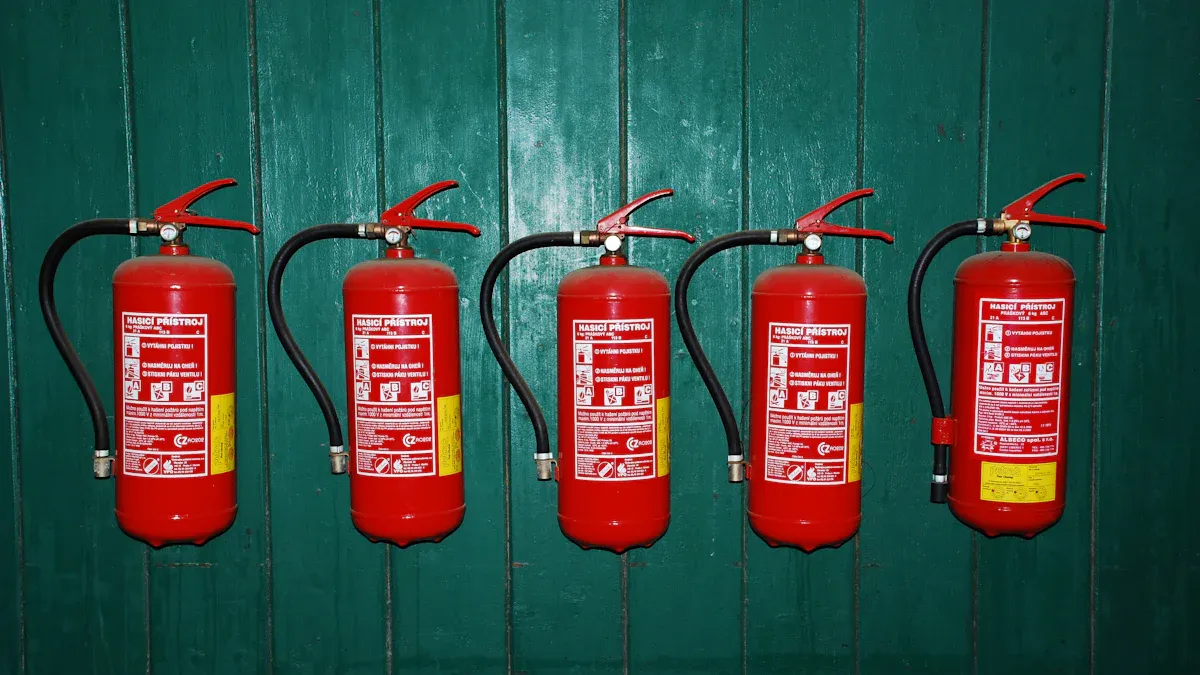
ODM manufacturers offer several key advantages for companies in the fire valve industry. Their comprehensive services streamline the product development process, allowing businesses to focus on marketing and distribution. Here are some notable benefits of working with ODM manufacturers:
-
One-Stop Customization: ODMs provide tailored specifications that align with regional fire system standards and production line requirements. This flexibility allows companies to adapt their products to meet local regulations and customer preferences.
-
Global Compliance: ODM manufacturers ensure that their products meet international fire safety standards. They obtain certifications from various organizations, which enhances the credibility of the fire valves in global markets.
-
Strict Quality Assurance: A robust six-step quality control system minimizes defects, which is critical for life-saving equipment. This rigorous approach to quality ensures that every fire valve performs reliably during emergencies.
To illustrate these advantages, consider the following table:
| Benefit | Description |
|---|---|
| One-Stop Customization | Tailored specifications to match regional fire system standards and production line requirements. |
| Global Compliance | Products meet international fire safety standards and are certified by various organizations. |
| Strict Quality Assurance | A six-step quality control system ensures a low defect rate, critical for life-saving equipment. |
By leveraging these advantages, companies can enhance their product offerings and ensure compliance with safety standards. ODM manufacturers play a vital role in supporting businesses in the fire valve market, ultimately contributing to safer environments. Their ability to innovate and adapt to market needs allows companies to provide reliable firefighting solutions that meet stringent safety requirements.
Disadvantages of OEM Manufacturers
While OEM manufacturers provide numerous benefits, they also present certain disadvantages that businesses should consider. Understanding these drawbacks can help companies make informed decisions when selecting a manufacturing partner for fire valves.
-
Limited Design Flexibility: OEMs primarily focus on producing products based on client specifications. This limitation can hinder innovation and restrict the ability to adapt to changing market demands. Companies may find themselves unable to implement new features or designs quickly.
-
Higher Production Costs: OEM manufacturing often involves significant upfront costs. Companies must invest in tooling and setup, which can lead to higher overall production expenses. This financial burden may not be feasible for smaller businesses or startups.
-
Longer Lead Times: The production process for OEMs typically requires more time. Tooling and sampling can extend lead times to 16-24 weeks. In industries where rapid response is critical, such as firefighting, these delays can pose serious challenges.
Tip: Companies should evaluate their urgency for product availability when considering OEM partnerships.
- Intellectual Property Concerns: Although clients retain IP rights for their designs, sharing proprietary information with OEMs can pose risks. Companies must ensure that their designs remain confidential to prevent potential misuse or theft.
To summarize, while OEM manufacturers offer quality and reliability, they come with challenges that businesses must navigate. Companies should weigh these disadvantages against their specific needs and capabilities.
| Disadvantage | Description |
|---|---|
| Limited Design Flexibility | Restricts innovation and adaptation to market changes. |
| Higher Production Costs | Significant upfront investment may not suit smaller businesses. |
| Longer Lead Times | Extended production timelines can hinder responsiveness. |
| Intellectual Property Risks | Sharing designs can lead to potential misuse or theft. |
By understanding these disadvantages, companies can better assess whether an OEM manufacturer aligns with their strategic goals in the fire valve market.
Disadvantages of ODM Manufacturers
While ODM manufacturers offer many benefits, they also have certain disadvantages that companies should consider. Understanding these drawbacks can help businesses make informed decisions when selecting a manufacturing partner for fire valves.
-
Less Control Over Design: ODMs typically retain more control over the design process. This situation can limit a company’s ability to make specific changes or adjustments to the product. Companies may find it challenging to implement unique features that differentiate their products in the market.
-
Potential Quality Variability: Although ODMs often have strict quality control measures, variability can still occur. Different production runs may yield products with slight differences in quality. This inconsistency can affect the reliability of fire valves, which are critical for safety.
-
Intellectual Property Risks: When companies collaborate with ODMs, they may expose their ideas and designs. This exposure can lead to potential intellectual property theft or misuse. Companies must take precautions to protect their proprietary information.
-
Dependency on Manufacturer: Companies that rely heavily on ODMs may become dependent on them for product development. This dependency can limit flexibility and responsiveness to market changes. If an ODM faces production issues, it can disrupt a company’s supply chain.
To summarize, while ODM manufacturers provide valuable services, they come with challenges that businesses must navigate. Companies should weigh these disadvantages against their specific needs and capabilities.
| Disadvantage | Description |
|---|---|
| Less Control Over Design | Limited ability to make specific changes or adjustments to the product. |
| Potential Quality Variability | Variability in quality across different production runs. |
| Intellectual Property Risks | Exposure of ideas and designs can lead to potential theft or misuse. |
| Dependency on Manufacturer | Heavy reliance can limit flexibility and responsiveness to market changes. |
By understanding these disadvantages, companies can better assess whether an ODM manufacturer aligns with their strategic goals in the fire valve market.
Choosing Between OEM and ODM for Fire Valves
Selecting between OEM and ODM manufacturers for fire valves involves careful consideration of various factors. Each option presents unique advantages and challenges that can significantly impact a company’s operations and product offerings. Here are some key aspects to consider when making this decision:
-
Design Control:
- OEM manufacturers allow companies to maintain control over product designs. This option is ideal for businesses that have specific requirements or proprietary designs.
- ODM manufacturers, on the other hand, handle the design process. This approach may suit companies looking for quicker market entry without investing heavily in design resources.
-
Cost Considerations:
- OEM production often involves higher initial costs due to tooling and setup. Companies should evaluate their budget and production volume before committing.
- ODM manufacturers typically offer lower upfront costs, making them attractive for startups or smaller businesses. They can provide tailored solutions without the burden of extensive investment.
-
Lead Times:
- OEM manufacturers usually have longer lead times, ranging from 16 to 24 weeks. This timeframe includes tooling and sampling, which can delay product availability.
- ODM manufacturers can often deliver products faster, with lead times of 6 to 10 weeks. This speed can be crucial in industries where timely access to fire valves is essential.
-
After-Sales Support and Warranty:
- After-sales support varies between manufacturers. For instance, DAYWE offers custom OEM/ODM tailored solutions, emphasizing personalized after-sales support.
- Warranty policies also differ. Flomarvel provides a warranty of 14 months after delivery, with options for repair or replacement of faulty products. TianYu extends a warranty of 18 months after delivery or 12 months after installation for their valves. Companies should assess these policies to ensure they align with their service expectations.
-
Market Adaptability:
- ODM manufacturers excel in adapting to market trends. Their ability to innovate and modify designs based on customer feedback allows companies to stay competitive.
- OEM manufacturers may struggle with rapid changes due to their focus on existing designs. Companies needing flexibility should weigh this factor carefully.
In summary, OEM and ODM manufacturers serve distinct roles in the fire valve industry. OEMs focus on producing components based on client designs, ensuring quality and compliance. ODMs, however, handle the entire design and manufacturing process, offering flexibility and faster market entry.
When choosing between the two, companies should consider their specific needs. OEMs are ideal for those requiring strict design control and high-quality materials. ODMs suit businesses seeking quicker production and lower upfront costs.
FAQ
What is the main difference between OEM and ODM manufacturers?
OEM manufacturers produce products based on client designs, while ODM manufacturers design and manufacture products independently. OEMs focus on quality control, whereas ODMs emphasize innovation and market adaptability.
How do I choose between OEM and ODM for fire valves?
Consider design control, cost, lead times, and after-sales support. OEMs suit those needing strict design specifications, while ODMs benefit companies seeking faster production and lower initial costs.
Are OEM products generally more expensive than ODM products?
Yes, OEM products often incur higher costs due to tooling and setup requirements. ODM products typically have lower upfront costs, making them more accessible for startups and smaller businesses.
Can I customize products with both OEM and ODM manufacturers?
Yes, both OEM and ODM manufacturers offer customization options. OEMs provide extensive customization based on client designs, while ODMs can modify existing designs to meet specific market needs.
What certifications should I look for in fire valves?
Look for certifications such as UL, FM, and ISO. These certifications ensure that fire valves meet safety and performance standards, providing assurance of their reliability in emergency situations.