
Selecting the right valve for fire fighting systems is crucial for ensuring effective fire suppression. Each valve type, including those from a fire fighting valve manufacturer, serves a unique function, impacting system reliability and safety. For instance, a gate valve supplier may recommend specific models based on operational needs, particularly when considering the fire pipeline valve options available. Understanding the difference between gate and check valve types is essential for proper application. Additionally, the fire system ball valve application plays a significant role in maintaining system integrity. Proper valve choice helps prevent common failures, such as leakage or stuck mechanisms, which can lead to severe consequences in emergency situations. Choosing a UL listed fire valve factory ensures that the products meet stringent safety standards, enhancing fire safety and operational efficiency.
Key Takeaways
- Gate valves provide complete shut-off, making them essential for controlling water supply during emergencies.
- Check valves prevent backflow, ensuring water flows in one direction and maintaining system integrity.
- Ball valves allow for rapid operation, making them ideal for quick shut-off in critical situations.
- Regular maintenance of all valve types is crucial to prevent failures and ensure effective operation in fire fighting systems.
- Choosing the right valve type enhances fire safety and operational efficiency, reducing the risk of costly repairs.
Understanding Gate Valves
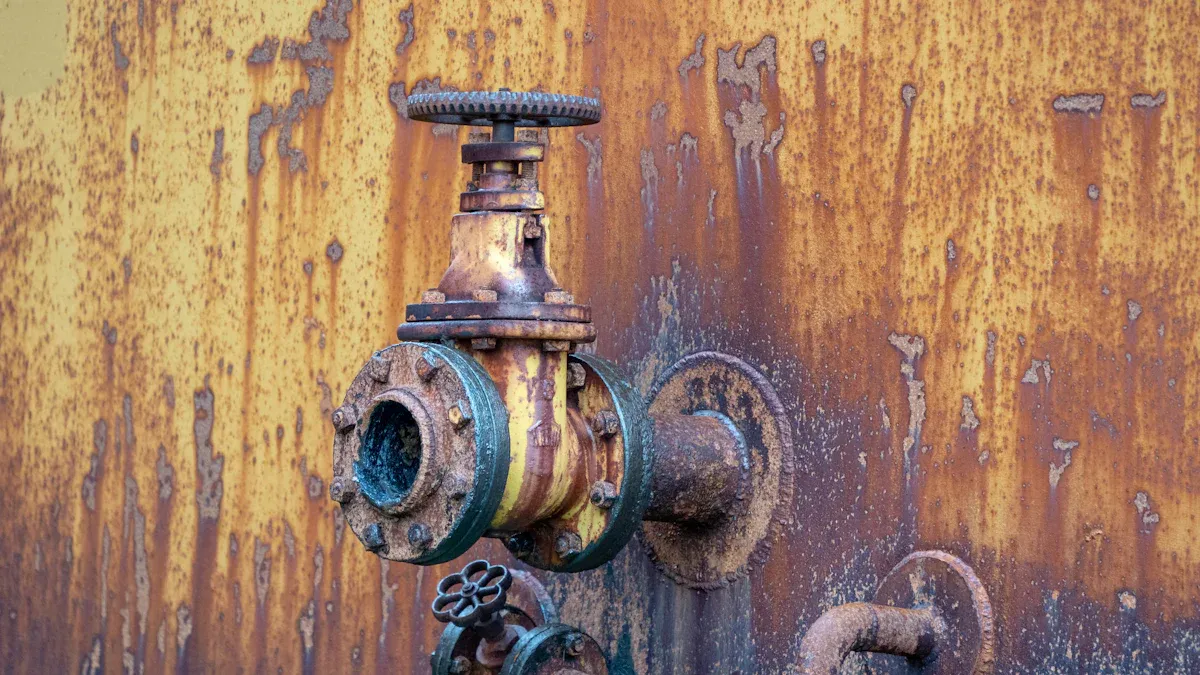
Gate valves play a critical role in fire fighting systems, primarily serving as isolation devices. They allow for the complete shut-off of flow, making them essential for controlling water supply during emergencies. Understanding their design features and operational mechanisms is vital for effective application in fire safety.
Key Design Features of Gate Valves
Gate valves are constructed with several important features that enhance their functionality in fire fighting applications. The following table summarizes these features:
| Feature | Description |
|---|---|
| Material | Constructed from durable materials such as ductile iron, bronze, or stainless steel. |
| Operational Mechanism | Operates on linear motion to control flow, with a gate that can be fully opened or closed. |
| Seal | Forms a tight seal when closed to prevent leakage, ensuring the system remains pressurized. |
| Accessibility | Designed for easy operation with an accessible handle or actuator for quick response. |
| Types | Includes Flange End Rising Stem, Flange End Non-Rising Stem, Groove End Rising Stem, etc. |
| Fail-Safe Features | May default to a pre-set position during power failures to ensure continuous water supply. |
Pressure Ratings and Flow Control
Gate valves typically have pressure ratings that meet the demands of fire fighting systems. For instance, ductile iron fire fighting gate valves often have pressure ratings of 175 PSI and 300 PSI. These valves are available in sizes ranging from 2 to 12 inches. The National Fire Protection Association (NFPA) specifies that components installed above ground must be rated for a minimum of 175 psi (12 bar), while those installed underground must be rated for at least 150 psi (10 bar).
The NFPA specifies that components installed above ground must be rated for a minimum of 175 psi (12 bar) and those installed underground must be rated for at least 150 psi (10 bar).
In terms of flow control, gate valves are not designed for regulating flow. Instead, they serve primarily as isolation devices. The following table illustrates the flow control capabilities of different valve types:
| Valve Type | Flow Control Capability | Primary Function |
|---|---|---|
| Gate Valve | No | Isolation |
| Globe Valve | Yes | Flow regulation |
Maintenance Requirements
Regular maintenance is crucial for the effective operation of gate valves in fire protection systems. Key maintenance tasks include:
- Inspecting the valve for leaks.
- Checking the condition of the gate and seat.
- Lubricating the valve stem.
Establishing and adhering to maintenance schedules is essential to avoid valve failures. The NFPA mandates periodic visual inspections of hose valves, which should occur annually or quarterly, depending on specific requirements. An annual or tri-annual test is also required to ensure proper operation of the valves.
Common Failure Modes
Gate valves can experience several failure modes that may compromise their effectiveness in fire fighting systems. The following table outlines these common issues:
| Failure Mode | Description |
|---|---|
| Sealing Failure | Occurs when the valve fails to create a tight seal, allowing fluid to leak past the gate. |
| Stem Binding | Happens when the stem becomes stuck or binds, preventing the valve from operating correctly. |
| Gate Jamming | The gate becomes jammed, unable to fully open or close, disrupting fluid flow. |
| Actuator Failure | Prevents the valve from opening or closing due to issues with the actuator’s electrical or mechanical components. |
| Cavitation | Occurs when pressure drops below vapor pressure, causing vapor bubbles that can damage valve components. |
Understanding Check Valves
Check valves serve a vital role in fire fighting systems by preventing backflow. This function ensures that the water supply remains uncontaminated, which is crucial for maintaining system integrity during emergencies. These valves allow water to flow in one direction only, optimizing performance when needed most.
Operational Mechanism
Check valves operate automatically based on water pressure. When water flows in the correct direction, the valve opens, allowing passage. If backflow occurs, the valve closes, preventing any reverse flow. This mechanism is essential for the effective operation of fire sprinkler systems.
Benefits of Check Valves
The advantages of using check valves in fire fighting systems include:
- Prevention of Backflow: They ensure water flows in one direction, maintaining system integrity.
- Quick Response Times: Check valves enable water to reach activated sprinkler heads swiftly, which is vital in emergencies.
- Reduced Maintenance Costs: By preventing backflow, these valves help minimize maintenance and repair costs associated with fire sprinkler systems. This extends the lifespan of the system and reduces the risk of costly repairs.
Understanding Ball Valves
Ball valves are essential components in fire fighting systems, known for their reliability and efficiency. These valves utilize a spherical disc to control fluid flow, making them ideal for rapid operation and precise control during emergencies.
Operational Advantages
Ball valves offer several operational advantages in fire fighting applications:
- Fast Response: They can be quickly operated, enabling rapid flow control during firefighting.
- Precise Control: Ball valves provide accurate regulation of flow rate and pressure, which is essential for effective fire response.
- Reliability: Designed to endure high temperatures and pressure changes, they ensure dependable operation in critical situations.
- Low Maintenance: Minimal upkeep is required, helping maintain system functionality without frequent interruptions.
Durability and Lifespan
Ball valves typically exhibit greater durability under high-pressure conditions compared to gate and check valves. The following table summarizes the lifespan characteristics of these valves:
| Valve Type | Durability | Lifespan Characteristics |
|---|---|---|
| Ball Valve | More durable under high-pressure conditions and frequent use | Typically longer lifespan due to less maintenance required |
| Gate Valve | May last for decades in infrequent use scenarios | Subject to gradual wear, especially in frequent use applications |
In applications where valves frequently cycle on and off, a well-constructed ball valve tends to have a longer service life. Its durable design and bubble-tight seal often outlast the metal-to-metal seal of a gate valve, which can wear down over time.
Maintenance Considerations
While ball valves require less maintenance, some common issues may arise:
| Maintenance Issue | Description | Solution |
|---|---|---|
| Leakage Around the Valve Stem | Leakage caused by worn-out packing or O-rings, leading to fluid escaping. | Tighten the packing nut, replace packing or O-rings, lubricate the stem. |
| Valve Stuck in Position | Sticking due to corrosion, debris, or mechanical failure. | Apply penetrating oil, manually turn the valve, inspect for debris, replace damaged parts. |
| Reduced Flow or Blockage | Occurs from debris buildup or incomplete ball rotation. | Flush the system, disassemble and clean, check for alignment, replace worn parts. |
| Handle Problems | Issues from wear or improper handling affecting operation. | Change the handle, ensure proper attachment to the valve. |
Ball valves are designed to meet the API 607 standard, which governs their fire safety performance. This ensures they can perform effectively under high-pressure and high-temperature conditions typical in firefighting scenarios.
Comparison of Valves
When selecting valves for fire fighting systems, understanding the differences between gate valves, check valves, and ball valves is essential. Each valve type has unique characteristics that influence installation, cost, and operational reliability.
Installation Complexity
Installation complexity varies among the three valve types. The following table summarizes their installation requirements:
| Valve Type | Installation Complexity | Space Requirement | Maintenance Ease |
|---|---|---|---|
| Gate Valve | More complex | Larger dimensions | Moderate |
| Check Valve | Simpler | Moderate | Easier |
| Ball Valve | Less complex | Smaller dimensions | Moderate |
Gate valves often require more space and involve a more complex installation process due to their design. In contrast, check valves are simpler to install, making them a preferred choice for many fire fighting applications. Ball valves, with their compact design, offer the least complexity during installation.
Cost Differences
Cost is another critical factor when comparing these valves. The following points highlight the cost differences:
- Ball valves are generally 30-50% more expensive than gate valves for sizes below 12 inches. However, they provide lower maintenance costs and a longer lifespan.
- For sizes above 12 inches, ball valves can be 200-400% more expensive than gate valves. For example, a 24-inch ball valve can cost between $45,000 to $75,000, while a gate valve of the same size ranges from $12,000 to $18,000.
These cost considerations can significantly impact budget decisions for fire fighting systems.
Operational Reliability
Operational reliability during emergencies is crucial for effective fire fighting. The following table illustrates how the three valve types compare in this regard:
| Gate Valves | Check Valves |
|---|---|
| Slower response time due to longer travel distance between open and closed positions, which can affect reliability in emergencies. | Quick response to changes in fluid flow, making them more reliable for preventing backflow during emergencies. |
| Primarily used for starting and stopping flow, not ideal for emergency situations where immediate action is required. | Automatically operate to prevent backflow, essential for protecting equipment in emergencies. |
Gate valves may not respond quickly enough in emergencies, while check valves provide immediate action to prevent backflow. This reliability is vital for maintaining system integrity during critical situations.
Specific Applications in Fire Fighting Systems
When to Use Gate Valves
Gate valves are ideal for applications requiring complete shut-off of flow. They serve as isolation devices in fire fighting systems, allowing operators to control water supply during emergencies. Best practices for using gate valves include:
- Verify the Valve’s Identity and Integrity: Confirm the valve matches specifications and check for any damage.
- Internal Cleanliness and Operational Check: Ensure the valve is clean and free of debris before installation.
- Seat Leakage Test: Conduct tests to ensure the valve seals properly in both directions.
- Documentation and Handover: Maintain thorough records of the installation and testing process.
However, gate valves are not recommended for rapid response scenarios due to their slower operation compared to other valve types.
When to Use Check Valves
Check valves are essential in fire fighting systems to prevent backflow. They ensure fluid flows in one direction, which is critical during a fire. Ideal conditions for using check valves include:
- Ensuring the pressure rating is suitable for the system’s operational pressure, especially in high-rise buildings.
- Selecting materials like brass, stainless steel, or cast iron based on environmental conditions and pressure requirements.
Improper installation of check valves can lead to severe issues, such as backflow and water hammer, which can generate pressures up to ten times the normal operating pressure.
When to Use Ball Valves
Ball valves excel in applications requiring quick shut-off capabilities. Their design allows for rapid operation, making them suitable for emergency situations. However, caution is necessary when using ball valves in systems with high particulate content. Potential risks include:
- Accumulation of suspended particles, leading to leakage.
- Erosion due to the presence of particulates.
Regular maintenance is crucial to prevent performance degradation in such environments. Overall, ball valves provide reliable service in fire fighting systems when used appropriately.
In summary, gate valves, check valves, and ball valves each serve distinct roles in fire fighting systems.
- Gate valves provide complete shut-off, ideal for controlling water supply.
- Check valves prevent backflow, ensuring system integrity.
- Ball valves offer quick shut-off capabilities, essential for emergencies.
FAQ
What is the primary function of a gate valve in fire fighting systems?
Gate valves primarily serve as isolation devices, allowing complete shut-off of water flow. They control the water supply during emergencies, ensuring effective fire suppression.
How do check valves prevent backflow?
Check valves automatically close when backflow occurs, allowing water to flow in only one direction. This mechanism protects the system from contamination and maintains integrity during fire fighting operations.
When should ball valves be used in fire fighting systems?
Ball valves are ideal for applications requiring quick shut-off capabilities. Their rapid operation makes them suitable for emergencies, ensuring immediate access to water supply.
What maintenance is required for fire fighting valves?
Regular inspections are essential for all valve types. Maintenance tasks include checking for leaks, ensuring proper operation, and cleaning components to prevent blockages.
Are there specific standards for fire fighting valves?
Yes, fire fighting valves must comply with industry standards such as UL, FM, and NFPA. These standards ensure reliability and safety in fire suppression systems.