
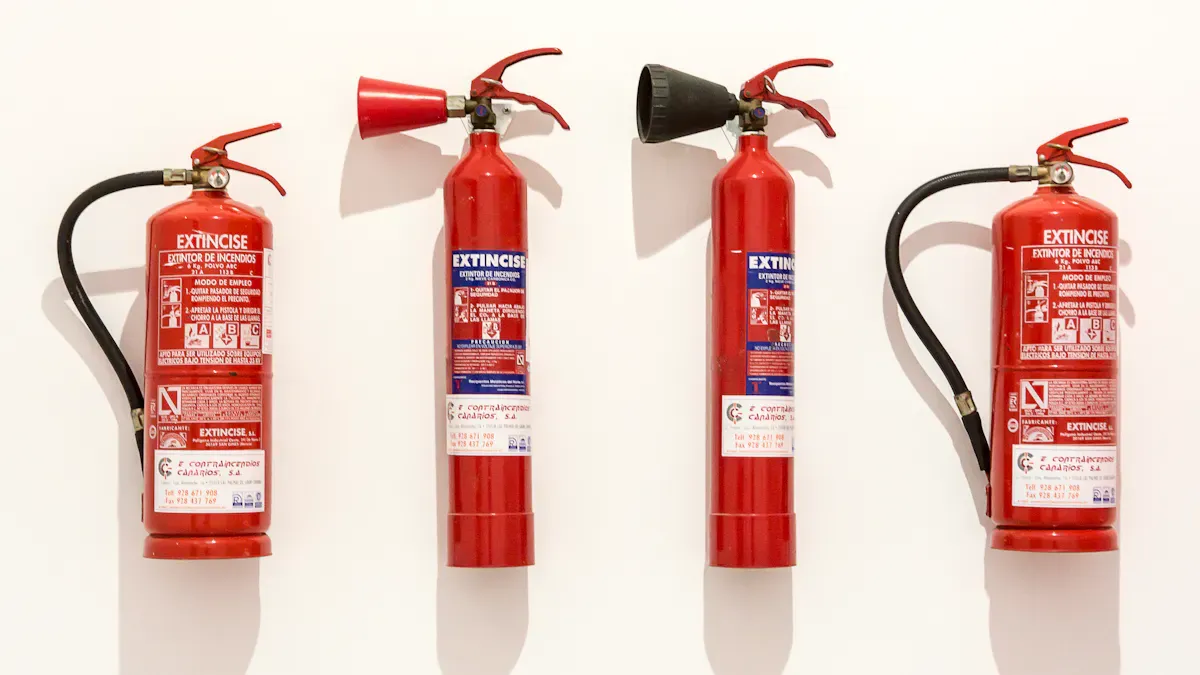
Understanding fire extinguisher types and ratings is crucial for importers. Selecting the correct fire extinguisher ensures safety and compliance in different environments. Importers must consider the specific fire risks associated with each location. For instance, knowing which fire extinguisher should I use for electrical fires can prevent significant damage. Additionally, the choice between a dry chemical powder fire extinguisher and a CO2 fire extinguisher may depend on the environment’s unique requirements, as well as the difference between dry powder and CO2 fire extinguishers. Furthermore, foam and water fire extinguishers serve specific purposes that should be understood. Partnering with a fire extinguisher supplier from China with OEM service can provide access to a variety of options tailored to meet diverse needs. Awareness of local regulations and standards can further enhance safety and effectiveness.
Key Takeaways
- Understand fire classes to select the right extinguishers. Class A, B, C, D, and K fires require specific extinguishing agents for effective suppression.
- Regularly inspect and maintain fire extinguishers. Monthly visual checks and annual professional servicing ensure they function properly during emergencies.
- Choose extinguishers based on the environment’s fire risks. Assess potential hazards and match extinguishers to the specific fire classes present.
- Stay informed about local regulations and standards. Compliance enhances safety and ensures that the right extinguishers are available for various fire risks.
- Train staff on proper extinguisher use. Effective training empowers individuals to respond quickly and confidently in fire emergencies.
Understanding Fire Classes
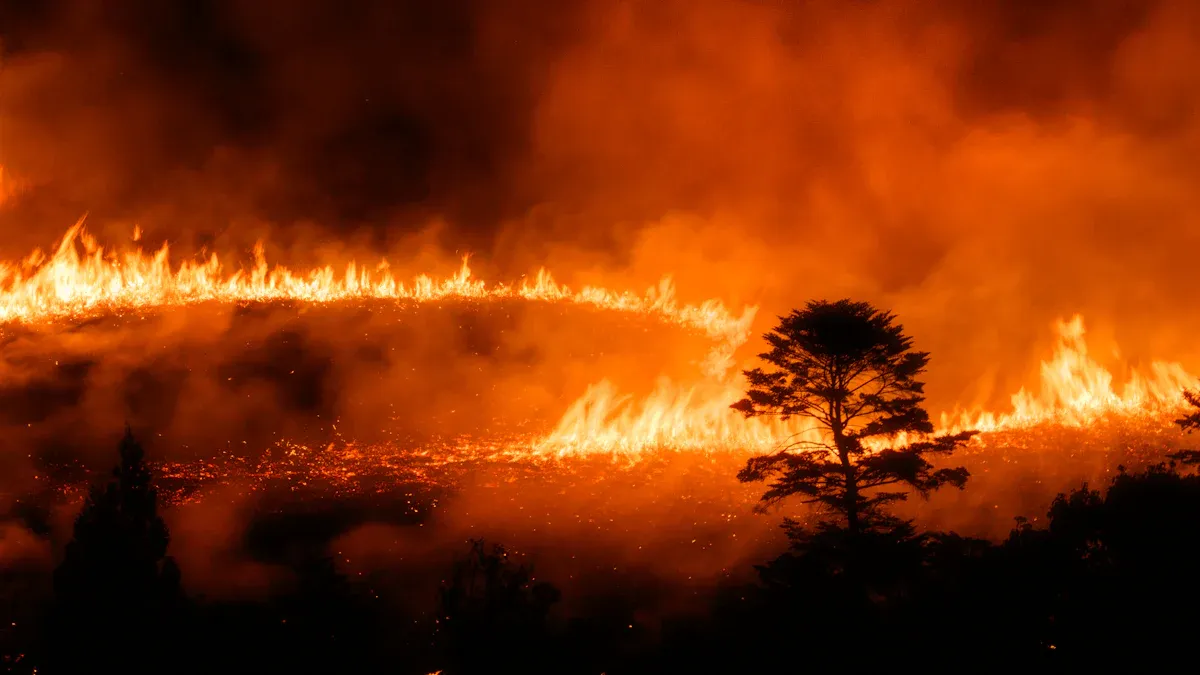
Fire classes categorize different types of fires based on the materials involved. Understanding these classes helps importers select the appropriate fire extinguishers for various environments. The following table outlines the internationally recognized fire classes and their definitions:
| Fire Class | Definition | Common Sources |
|---|---|---|
| Class A | Fires involving ordinary combustibles such as wood, paper, and cloth. | Wood, paper, textiles |
| Class B | Fires involving flammable liquids and gases. | Gasoline, oil, solvents |
| Class C | Fires involving electrical equipment. | Electrical appliances, wiring |
Class A: Ordinary Combustibles
Class A fires involve ordinary combustibles, which include materials like paper, wood, cloth, rubber, and some plastics. These materials are common in residential and commercial settings. The leading causes of Class A fires often stem from careless disposal of smoking materials, unattended cooking, or electrical malfunctions.
Importers should consider the following common sources of Class A fires:
- Paper
- Wood
- Cloth
- Rubber
- Some plastics
To combat Class A fires, water extinguishers or dry chemical powder fire extinguishers are typically effective. Water extinguishers cool the burning material, while dry chemical powder extinguishers smother the flames.
Class B: Flammable Liquids
Class B fires involve flammable liquids and gases, which can ignite easily and spread rapidly. Common sources include gasoline, oil, and solvents. These fires pose significant risks in environments such as garages, kitchens, workshops, laboratories, and gas stations.
The primary causes of Class B fires often include:
- Spills near heat sources
- Gas leaks ignited by sparks
- Vapors accumulating in poorly ventilated areas
Due to the explosive nature of Class B fires, importers must prioritize safety measures. Foam extinguishers and dry chemical powder fire extinguishers are effective for these types of fires, as they can suppress flames and prevent re-ignition.
Class C: Electrical Fires
Class C fires involve electrical equipment, such as appliances and wiring. These fires can occur when faulty wiring, overloaded circuits, or malfunctioning devices ignite. Importers must recognize that using water extinguishers on electrical fires can be extremely dangerous due to the risk of electrocution.
For Class C fires, CO2 extinguishers and dry chemical powder fire extinguishers are recommended. These extinguishers do not conduct electricity and can effectively extinguish flames without posing additional hazards.
Understanding these fire classes equips importers with the knowledge needed to select the right fire extinguishers for various environments, ensuring safety and compliance.
Class D: Combustible Metals
Class D fires involve combustible metals, which can ignite and burn at extremely high temperatures. These metals include magnesium, titanium, aluminum, and sodium. Fires of this class require specialized extinguishing agents, as traditional methods may exacerbate the situation.
Industries at the highest risk for Class D fires include:
- Manufacturing
- Aerospace
- Machining
- Laboratories
Importers must recognize that water and standard fire extinguishers are ineffective against Class D fires. Instead, they should consider using dry powder extinguishers specifically designed for metal fires. These extinguishers contain agents that smother the flames and prevent oxygen from fueling the fire.
Class K: Cooking Oils and Fats
Class K fires primarily occur in commercial kitchens and involve cooking oils and fats. These fires can ignite quickly and spread rapidly, posing significant risks to both personnel and property. Common sources of Class K fires include:
- Vegetable oils (such as canola, sunflower, and olive oil)
- Animal fats (like lard and butter)
- Synthetic cooking oils
- Cooking grease and other combustible cooking media
To effectively combat Class K fires, wet chemical extinguishers are the preferred choice. These extinguishers work by cooling the flames and forming a barrier between the fuel and oxygen, thus preventing re-ignition. Importers should ensure that kitchens are equipped with the appropriate extinguishers to mitigate the risks associated with these types of fires.
Understanding the unique characteristics of Class D and Class K fires enables importers to make informed decisions when selecting fire extinguishers. This knowledge is essential for ensuring safety in environments where these specific fire hazards may arise.
Types of Fire Extinguishers
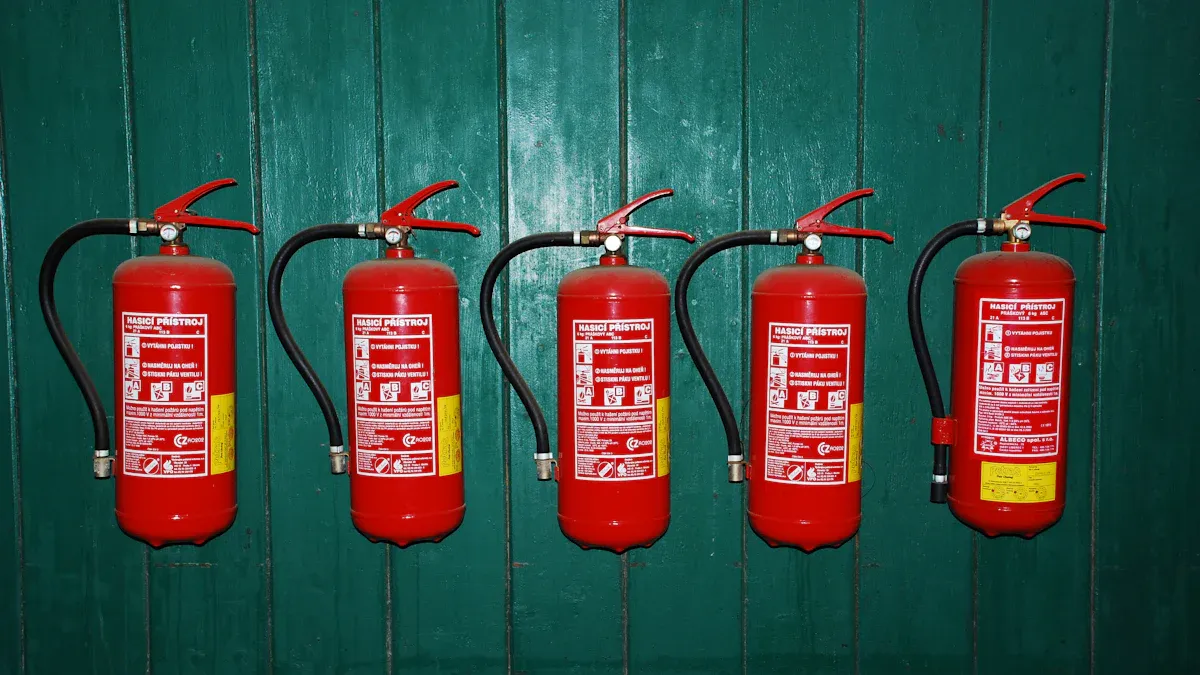
Water Extinguishers
Water extinguishers are primarily designed for Class A fires, which involve ordinary combustibles such as wood, paper, and fabric. These extinguishers work by cooling the burning material and reducing the temperature below the ignition point. Importers should note the following key points regarding water extinguishers:
- Effective against Class A fires.
- Should not be used on Class B (flammable liquids) or Class C (electrical) fires, as they can exacerbate these situations.
- Water can increase the shock hazard in electrical fires, making it crucial to use appropriate extinguishing agents.
Water extinguishers are a cost-effective solution for environments where Class A fires are prevalent. However, their limitations necessitate careful consideration when selecting extinguishers for diverse fire risks.
Foam Extinguishers
Foam extinguishers are versatile tools effective against Class A and Class B fires. They work by forming a barrier that smothers the flames and prevents re-ignition. Importers should be aware of the following characteristics of foam extinguishers:
- Suitable for flammable liquids, such as gasoline and oil.
- Not effective on electrical fires, as they conduct electricity.
- They can cool the burning material while simultaneously preventing the release of flammable vapors.
| Fire Class | Effectiveness | Limitations |
|---|---|---|
| Flammable Liquids | Effective | N/A |
| Electrical Fires | Not effective (conducts electricity) | N/A |
Foam extinguishers are ideal for environments like kitchens and workshops, where both Class A and Class B fire risks exist. Their ability to suppress flames and prevent re-ignition makes them a valuable asset in fire safety.
Dry Chemical Powder Fire Extinguishers
Dry chemical powder fire extinguishers are among the most widely used extinguishers globally. They are effective against Class A, B, and C fires, making them versatile for various environments. These extinguishers interrupt the chemical reaction that fuels the fire, providing rapid suppression. Importers should consider the following aspects:
- Effective against multiple fire classes, including ordinary combustibles, flammable liquids, and electrical fires.
- They can create a cloud of powder that smothers flames and reduces oxygen supply.
- Importers must ensure that staff are trained in their use, as improper application can lead to ineffective results.
The versatility of dry chemical powder fire extinguishers makes them a preferred choice for many businesses. Their ability to handle a range of fire classes ensures that importers can meet diverse safety needs.
CO2 Extinguishers
CO2 extinguishers are highly effective for Class B and Class C fires. They work by displacing oxygen, which is essential for combustion. When using a CO2 extinguisher, the operator directs the nozzle at the base of the fire, allowing the CO2 to smother the flames effectively. Importers should consider the following key points regarding CO2 extinguishers:
- Low Environmental Impact: CO2 extinguishers are considered low-impact due to the small quantities of CO2 used. They do not leave toxic residues, unlike some chemical extinguishers. This makes them a safer choice for environments where cleanliness is paramount.
- Non-Conductive: CO2 does not conduct electricity, making these extinguishers ideal for electrical fires. They can be safely used on energized equipment without the risk of electrocution.
- Limited Range: The effective range of CO2 extinguishers is typically around 3 to 8 feet. Operators must approach the fire within this range for effective suppression.
Importers should ensure that staff are trained in the proper use of CO2 extinguishers. Understanding the limitations and appropriate applications of these extinguishers is crucial for effective fire safety management.
Wet Chemical Extinguishers
Wet chemical extinguishers are specifically designed for Class K fires, which involve cooking oils and fats. These extinguishers utilize a potassium-based agent that reacts with hot cooking oils to form a soapy foam, effectively smothering the fire. Key aspects of wet chemical extinguishers include:
- Effective Suppression: The reaction transforms flammable oils into a non-combustible substance, cutting off the fire’s oxygen supply. This unique mechanism makes wet chemical extinguishers particularly effective in commercial kitchens.
- Regulatory Standards: The NFPA 96 standard mandates the presence of Class K extinguishers in commercial kitchens with grease-laden appliances. Importers must ensure compliance with these regulations to enhance safety in food preparation areas.
- Ease of Use: Wet chemical extinguishers are user-friendly, often featuring simple operation instructions. Staff training should focus on recognizing Class K fire hazards and the correct use of these extinguishers.
By equipping kitchens with wet chemical extinguishers, importers can significantly reduce the risk of devastating fires caused by cooking oils and fats. Understanding the specific applications and regulatory requirements for these extinguishers is essential for maintaining safety in food service environments.
Fire Extinguisher Ratings Explained
Understanding fire extinguisher ratings is essential for importers. Ratings indicate the effectiveness of extinguishers against specific fire classes. Each extinguisher features symbols and numbers that convey critical information about its performance.
Understanding Ratings and Symbols
Fire extinguisher labels display symbols and ratings that help users identify their capabilities. The following table summarizes the symbols associated with various fire classes:
| Fire Class | Symbol | Description | Performance Indicator |
|---|---|---|---|
| Class A | Green Triangle | Fires involving organic solids like wood, paper, or textiles. | Extinguishers cool fuels below their ignition point. |
| Class B | Red Square | Flammable liquid fires (gasoline, oil). | Foam extinguishers create a vapor-suppressing blanket. |
| Class C | Blue Circle | Electrical fires from live equipment. | Non-conductive extinguishers are marked with this symbol. |
| Class D | Yellow Pentagon | Metal fires (magnesium, sodium). | Specialized powder extinguishers carry this symbol. |
| Class K | Black Hexagon | Cooking oil/grease fires in commercial kitchens. | Wet chemical agents form a soapy layer during saponification. |
Importance of Certification Standards
Certification standards ensure that fire extinguishers meet safety and performance requirements. Organizations like Underwriters Laboratories (UL) and the National Fire Protection Association (NFPA) establish these standards. Compliance with these certifications guarantees that extinguishers function effectively in emergencies. Importers should prioritize products that carry recognized certifications to enhance safety in their markets.
Regional Variations in Ratings
Fire extinguisher rating systems differ across regions. Understanding these variations is crucial for importers operating in multiple markets. The following table outlines the presence of fire classes in different regions:
| Region | Class A | Class B | Class C | Class D | Class K |
|---|---|---|---|---|---|
| Europe/UK | Yes | Yes | Yes | Yes | Yes |
| Australia/Asia | Yes | Yes | Yes | Yes | N/A |
| United States | Yes | Yes | No | Yes | Yes |
This knowledge allows importers to select appropriate extinguishers based on regional regulations and fire risks. By understanding ratings and symbols, importers can make informed decisions that enhance fire safety.
Selecting the Right Fire Extinguisher
Assessing Fire Risks in Different Environments
Importers must assess fire risks in various environments to select appropriate fire extinguishers. Key factors to consider include:
- Identification of potential fire hazards, such as electrical systems and flammable materials.
- Evaluation of at-risk individuals, considering their location and mobility constraints.
- Assessment of fire protection measures, including the functionality of alarms and escape routes.
- Importance of emergency evacuation plans and regular training for occupants.
By understanding these factors, importers can make informed decisions about the types of extinguishers needed in specific settings.
Matching Extinguishers to Fire Classes
Selecting the right extinguisher involves matching it to the specific fire class. The following table outlines recommended extinguisher types based on fire types:
| Fire Type | Recommended Extinguisher Type |
|---|---|
| Wood and Paper Fires | Water-based Extinguishers |
| Electrical Fires | Chemical-based Extinguishers |
| Flammable Liquid Fires | Chemical-based Extinguishers |
This matching process ensures that the extinguishers used are effective against the types of fires likely to occur in a given environment.
Regulatory Compliance for Importers
Importers must adhere to various regulatory requirements when selecting fire extinguishers. Common regulations include:
- Fire extinguishers must be charged with a nonflammable, non-poisonous dry gas.
- They should not contain more than 30% carbon dioxide by volume.
- Must be protected by a corrosion-resisting coating.
In North America and Europe, stringent safety regulations govern fire extinguishers. Developing regions are also establishing and enforcing fire safety standards. Compliance with these regulations not only enhances safety but also drives demand for fire extinguishers in the market.
By understanding fire risks, matching extinguishers to fire classes, and ensuring regulatory compliance, importers can effectively contribute to fire safety in various environments.
Maintenance and Best Practices
Regular Inspection and Testing
Regular inspection and testing of fire extinguishers are vital for ensuring their effectiveness. Importers should adhere to the following best practices:
- Conduct monthly visual inspections to check for physical damage, leaks, or missing safety seals.
- Schedule annual maintenance by a certified professional to verify pressure levels and perform necessary servicing.
According to the National Fire Protection Association (NFPA), these inspections help maintain compliance and ensure that extinguishers function properly during emergencies.
Proper Storage and Accessibility
Storing fire extinguishers correctly enhances their accessibility and effectiveness. Importers should follow these guidelines for optimal storage:
- Mount or store extinguishers at least 4 inches off the ground.
- Position carrying handles between 3 ½ and 5 feet from the ground, depending on the type of extinguisher.
These practices help prevent damage and ensure that extinguishers remain visible and accessible during emergencies. Proper storage conditions contribute significantly to the overall safety of the environment.
Training Staff on Extinguisher Use
Training staff on the proper use of fire extinguishers is essential for effective emergency response. Key points to emphasize during training include:
- Pull the pin to break the tamper seal.
- Aim the nozzle at the base of the fire, not the flames.
- Squeeze the handle to release the extinguishing agent.
- Sweep from side to side, covering the fire until it is fully out.
Proper training ensures that individuals can respond quickly and confidently in a fire emergency. This includes identifying the correct fire extinguisher for the type of fire and understanding the limitations of each extinguisher. By investing in regular training, importers can enhance safety and preparedness in their environments.
Selecting the right fire extinguishers is vital for ensuring safety and compliance. Proper selection can significantly reduce fire-related losses. For instance, portable fire extinguishers can lower carbon emissions by 93.6%, proving more effective than sprinklers alone.
Importers should adopt proactive fire safety measures. Regular updates to fire safety strategies enhance safety and can yield financial benefits. Industry organizations like the National Fire Protection Association (NFPA) provide essential updates on fire safety standards every few years.
Ultimately, importers play a crucial role in promoting fire safety. By prioritizing effective fire extinguisher selection and staying informed about regulations, they contribute to safer environments for everyone.
FAQ
What is the importance of fire extinguisher ratings?
Fire extinguisher ratings indicate their effectiveness against specific fire classes. Understanding these ratings helps importers select appropriate extinguishers for various environments, ensuring safety and compliance.
How often should fire extinguishers be inspected?
Importers should conduct monthly visual inspections of fire extinguishers. Additionally, schedule annual maintenance by certified professionals to ensure proper functionality and compliance with safety standards.
Can one extinguisher be used for multiple fire classes?
Some extinguishers, like dry chemical powder extinguishers, can combat multiple fire classes. However, it is crucial to match the extinguisher type to the specific fire class for effective suppression.
What should be done if a fire extinguisher is used?
After using a fire extinguisher, it must be recharged or replaced immediately. Importers should ensure that extinguishers are always ready for use in case of emergencies.
Are there specific regulations for fire extinguishers in different regions?
Yes, fire extinguisher regulations vary by region. Importers must familiarize themselves with local laws and standards to ensure compliance and enhance safety in their markets.