

Selecting the right Fire Hose Reel Cabinet is crucial for ensuring the safety of a building. Proper choices directly affect compliance with fire safety regulations. For effective decision-making, consider the following factors:
- Accessibility and installation to meet fire safety standards, including guidance from a fire safety installation guide.
- Adherence to regulations such as NFPA 14 and local fire codes, particularly regarding wall-mounted hose cabinets.
- Regular maintenance to keep the fire safety equipment, including automatic fire hose reels, operational.
Investing time in these aspects enhances overall building safety and preparedness during emergencies, while also addressing the question of what is the correct size of hose reel cabinets for your specific needs.
Key Takeaways
- Choose fire hose reel cabinets that meet local fire codes and regulations to ensure safety and compliance.
- Select materials like stainless steel or fiberglass for durability and corrosion resistance, especially in harsh environments.
- Regularly inspect and maintain fire hose reel cabinets to prevent issues and ensure they function properly during emergencies.
- Position cabinets in easily accessible locations to enhance quick response times during a fire.
- Consider user-friendly designs and visibility features to promote a culture of safety within your organization.
Importance of Fire Hose Reel Cabinets
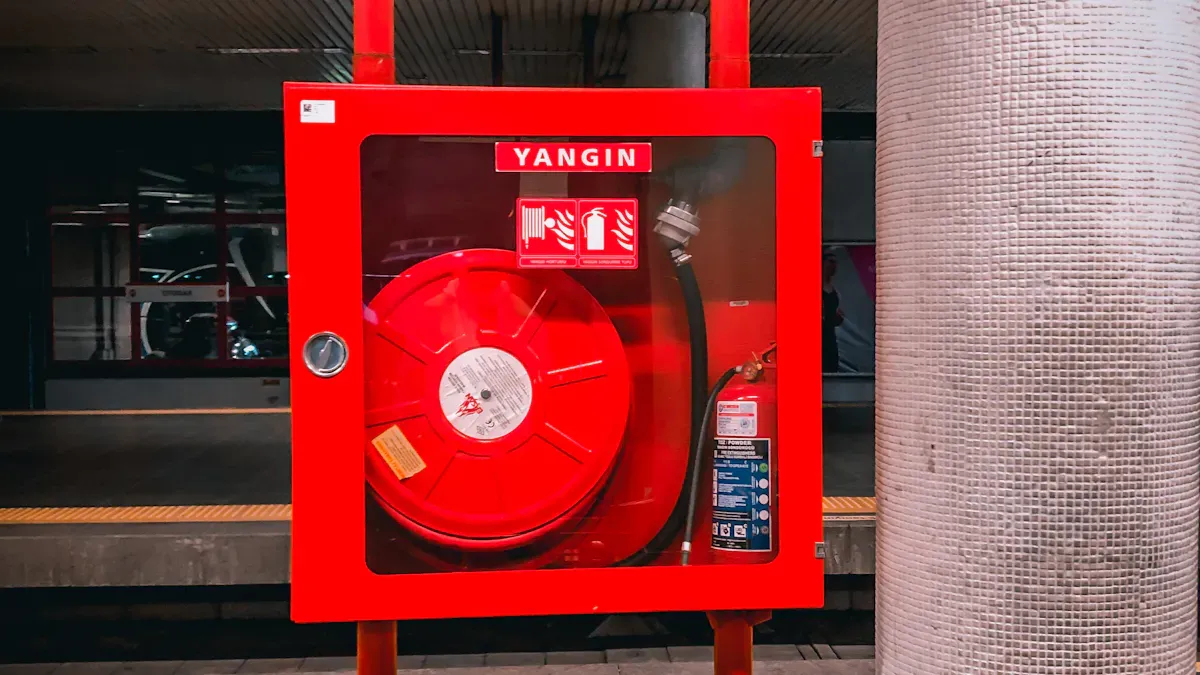
Fire hose reel cabinets play a vital role in enhancing fire safety within buildings. These cabinets house essential firefighting equipment, ensuring it remains accessible and functional during emergencies. Their importance can be summarized through several key features:
| Feature | Description |
|---|---|
| Fire-resistant Construction | Protects firefighting equipment from heat and flames, ensuring functionality during critical moments. |
| Space Optimization | Maximizes space utilization, preventing damage to equipment and ensuring it is stored securely. |
| Easy Accessibility | Facilitates quick identification and retrieval of equipment, enabling prompt response to fires. |
| Versatile Applications | Suitable for various environments, enhancing fire safety preparedness across different settings. |
The presence of a fire hose reel cabinet significantly contributes to the overall effectiveness of fire suppression efforts. When a fire occurs, every second counts. Quick access to firefighting equipment can make the difference between a minor incident and a major disaster.
Moreover, these cabinets help maintain compliance with local fire codes and regulations. Many jurisdictions require the installation of fire hose reel cabinets in commercial and industrial buildings. By adhering to these regulations, property owners not only protect their assets but also ensure the safety of occupants.
In addition, fire hose reel cabinets promote a culture of safety within organizations. When employees know where to find firefighting equipment, they feel more prepared to respond to emergencies. This preparedness can lead to quicker reactions and potentially save lives.
Key Criteria for Selection
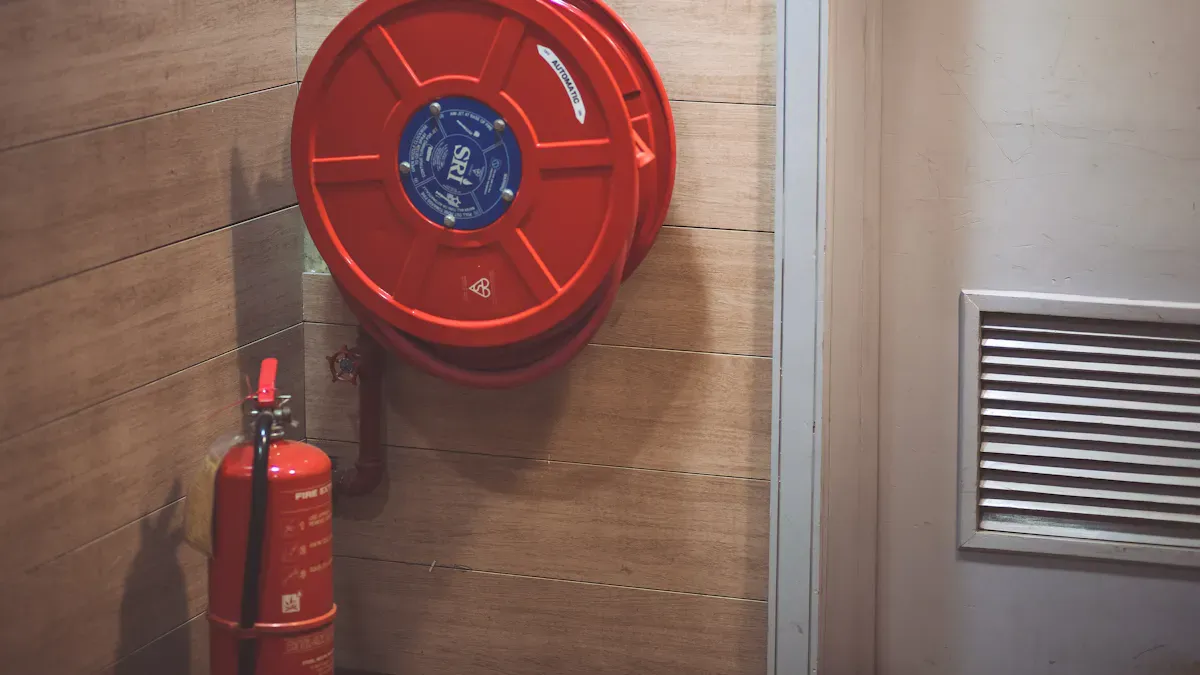
Selecting the right fire hose reel cabinet involves careful consideration of several key criteria. These factors ensure that the cabinets not only meet safety standards but also function effectively in emergencies. Here are the essential criteria to evaluate:
| Criteria | Description |
|---|---|
| Materials and corrosion protection | Opt for cabinets made from painted steel with anti-corrosion treatment. Avoid mixed metals to prevent oxidation. |
| Component compatibility | Ensure all components meet industry standards and are compatible. This reduces corrosion and maintenance issues. |
| Ease of installation | Look for features like ventilation slots and pre-drilled holes. These simplify the installation process. |
| Size and accessibility | The cabinet should accommodate all necessary equipment and remain easily accessible, especially during emergencies. |
| Flexible configuration options | Choose models that offer various hose lengths and fitting types. This versatility is crucial for different settings. |
Tip: Proper placement of fire hose reel cabinets significantly impacts emergency response times. When cabinets are strategically located, individuals can quickly access firefighting equipment, which is vital during the critical first moments of a fire.
Visibility and signage also play a crucial role in the effectiveness of fire hose reel cabinets. High-visibility colors, such as red, can enhance the cabinets’ presence. Additionally, custom signage and reflective labels can improve compliance and visibility. Glass-front cabinets allow for easy inspection of the hose reel, ensuring that it remains in good condition and ready for use.
When evaluating locking mechanisms, consider their impact on both security and usability. A well-designed locking system can prevent misuse by untrained individuals while ensuring that authorized personnel can access the equipment quickly. Features such as controlled access and single-point locking streamline the process of securing multiple compartments.
Fire Hose Reel Cabinet Materials
Choosing the right materials for fire hose reel cabinets significantly impacts their durability and maintenance needs. Various materials offer distinct advantages and disadvantages, making it essential to select the most suitable option for specific environments.
| Material | Durability | Corrosion Resistance | Best Use Cases |
|---|---|---|---|
| Steel | Strong, cost-effective | Moderate | Indoor commercial and industrial applications |
| Stainless Steel | Superior | High | Humid environments, coastal areas, chemical exposure |
| Aluminum | Lightweight | High | Indoor and outdoor settings |
| Fiberglass/Plastic | Highly resistant | High | Outdoor installations, marine environments |
Steel cabinets provide a strong and cost-effective solution for indoor applications. However, they require protective coatings to prevent rust. Stainless steel cabinets excel in humid or coastal areas due to their high corrosion resistance. They offer superior durability, making them ideal for environments exposed to chemicals.
Aluminum cabinets are lightweight and resistant to corrosion, making them suitable for both indoor and outdoor settings. Their ease of installation and mobility can reduce labor costs. Fiberglass or plastic cabinets are highly resistant to environmental factors, making them perfect for outdoor installations or marine environments.
When comparing materials, consider the advantages and disadvantages of steel versus fiberglass cabinets.
| Category | Advantages | Disadvantages |
|---|---|---|
| Material | Lighter weight; Resists corrosion | Higher cost than steel; Requires specialized installation |
| Noise Level | Quieter operation | N/A |
| Chemical Resistance | Enhanced safety in hazardous environments | Limited to common chemicals; Higher upfront cost |
| Weight | Easier installation and mobility; Reduces labor costs | Still heavier than lightweight composites |
| Mounting System | Faster deployment; Stable in seismic zones | Limited to flat surfaces; Requires professional installation |
| Customization | Track inventory; Enhanced compliance with safety audits | Limited design options; Requires software integration |
Environmental factors also play a crucial role in material selection. For instance, stainless steel is ideal for outdoor and coastal environments due to its exceptional corrosion resistance. In contrast, carbon steel suits indoor applications but may rust without protective coatings.
Selecting the right material for a fire hose reel cabinet ensures longevity and reduces maintenance needs, ultimately enhancing fire safety in any building.
Indoor vs. Outdoor Fire Hose Reel Cabinets
Choosing between indoor and outdoor fire hose reel cabinets requires understanding their distinct characteristics. Each type serves specific environments and has unique installation and maintenance needs.
| Indoor Cabinet | Outdoor Cabinet |
|---|---|
| Protected environment | Direct exposure to elements |
| Controlled humidity | Vulnerable to rain and snow |
| Stable temperatures | Subject to extreme temperature swings |
| Standard materials | Must have corrosion-resistant features |
| Minimal maintenance | Requires more frequent checks |
Indoor cabinets typically reside in controlled environments, which reduces the risk of damage. They require less maintenance compared to outdoor cabinets. However, outdoor cabinets face challenges such as accelerated corrosion, thermal deformation, and UV deterioration. These factors necessitate the use of treated steel and compliance with ISO 9227 certification.
Tip: Outdoor fire hose reel cabinets should shield hoses from inclement weather. This protection enhances performance and extends the lifespan of the hoses.
When installing outdoor cabinets, follow these recommended practices:
- Follow Manufacturer Instructions: Always adhere to the specific guidelines provided by the cabinet manufacturer.
- Verify Mounting Height and Clearance: Ensure the cabinet is installed at the correct height for accessibility and that there is adequate clearance around the door for it to open fully.
- Securely Fasten: The cabinet must be securely anchored to the wall to support the weight of the hose and equipment.
By understanding the differences between indoor and outdoor fire hose reel cabinets, property owners can make informed decisions that enhance fire safety and compliance. Proper selection and installation ensure that the firefighting equipment remains functional and accessible during emergencies.
Compliance and Regulations for Fire Hose Reel Cabinets
Compliance with regulations for fire hose reel cabinets is essential for ensuring safety in commercial buildings. These regulations help maintain a standard that protects both property and lives during emergencies. Understanding the key aspects of these regulations can guide property owners in making informed decisions.
Key Regulatory Aspects
The following table outlines critical regulatory aspects related to fire hose reel cabinets:
| Aspect | Details |
|---|---|
| Hose Reel Types | Swing-Type / Fixed-Type |
| Hose Diameter | 19 mm / 25 mm |
| Maximum Length | 30 m |
| Flow Rate | 30–60 LPM |
| Coverage | Entire floor area when fully extended |
| Code References | NFPA 14 – Section 7.3.2, BS EN 671-1 |
| Key Technical Points | Must be visible, accessible, and at approved heights |
| Pressure Compliance | NFPA 14 – Section 7.8.1.2 |
| Flow Requirements | NFPA 14 – Section 7.10 |
These regulations ensure that fire hose reel cabinets are effective in emergencies. They specify the types of hoses, their dimensions, and the required flow rates. Compliance with these standards is not just a matter of safety; it is also a legal obligation.
Inspection Requirements
Regular inspections of fire hose reel cabinets are crucial for maintaining compliance. According to the NFPA 25 standards:
- Hose valve inspections must occur annually (Section 6.2.3).
- Certain tasks require quarterly inspections (Section 13.6).
- Local authorities having jurisdiction (AHJ) determine the actual inspection schedule.
These inspections help identify any issues that could hinder the performance of the fire hose reel cabinets during emergencies.
Consequences of Non-Compliance
Failing to comply with fire hose reel cabinet regulations can lead to serious consequences. Property owners may face:
- Fines not exceeding $1,000.
- Imprisonment for a period not exceeding six months.
These penalties highlight the importance of adhering to safety regulations. Ensuring compliance not only protects individuals but also safeguards property and enhances overall safety.
Maintenance and Care for Fire Hose Reel Cabinets
Proper maintenance and care for fire hose reel cabinets are essential for ensuring their reliability during emergencies. Regular upkeep prevents equipment failure and extends the lifespan of these critical safety devices. Here are some key maintenance practices:
- Conduct regular inspections to identify any issues.
- Clean the cabinets and hoses to remove dust and debris.
- Store hoses properly to prevent kinks and damage.
Neglecting maintenance can lead to common issues. The table below outlines some frequent problems encountered with fire hose reel cabinets:
| Issue Type | Description |
|---|---|
| Stuck Valves | Caused by corrosion, debris accumulation, and inadequate lubrication. |
| Corroded Valves | Weakens components leading to leaks, sticking, and potential failure. |
| Overheating | Results in improper sealing due to expansion of the valve body from excessive temperatures. |
Regular maintenance significantly impacts the longevity of fire hose reel cabinets. Key practices include:
- Performing routine inspections to catch problems early.
- Cleaning components to ensure they function correctly.
- Properly storing equipment to avoid unnecessary wear.
These actions enhance reliability and ensure that the equipment remains ready for use when needed.
Tip: Always document maintenance activities. Keeping a log helps track inspections and repairs, ensuring compliance with safety regulations.
By prioritizing maintenance, property owners can ensure that their fire hose reel cabinets remain functional and effective. This proactive approach not only protects lives but also safeguards property during emergencies.
Choosing the right fire hose reel cabinet is essential for ensuring safety and compliance in any building. Key factors include material selection, compliance with regulations, and maintenance practices. Informed decision-making enhances the effectiveness of fire safety measures.
Property owners should consider recent industry trends, such as smart monitoring and advanced materials, to improve safety. Consulting professionals can provide tailored advice, ensuring that the selected cabinets meet specific needs and standards.
Tip: Always prioritize accessibility and user-friendly designs to enhance safety during emergencies.
FAQ
What is a fire hose reel cabinet?
A fire hose reel cabinet stores fire hoses and related equipment. It ensures quick access during emergencies, enhancing fire safety in buildings.
How often should fire hose reel cabinets be inspected?
Inspect fire hose reel cabinets at least annually. Regular checks help identify issues and ensure compliance with safety regulations.
Can fire hose reel cabinets be installed outdoors?
Yes, outdoor fire hose reel cabinets are available. They must feature corrosion-resistant materials to withstand environmental elements.
What materials are best for fire hose reel cabinets?
Steel, stainless steel, aluminum, and fiberglass are common materials. Each offers unique benefits, such as durability and corrosion resistance.
Are fire hose reel cabinets required by law?
Yes, many jurisdictions mandate fire hose reel cabinets in commercial buildings. Compliance with local fire codes is essential for safety.