
Fire hydrant systems are a cornerstone of active fire protection in commercial and industrial properties. These systems provide a reliable water supply for firefighters to suppress fires before they spread beyond control. In the United States alone, the National Fire Protection Association (NFPA) reports that buildings with functioning automatic sprinkler systems experience deaths per 1,000 fires that are 87% lower than in properties without sprinklers—many of which are connected to municipal hydrant networks for supplemental water supply.
Selecting the appropriate fire hydrant system requires understanding local fire codes, water supply conditions, environmental factors, and the specific hazards present in a commercial facility. This guide provides a structured framework for procurement teams, facility managers, and fire safety engineers to evaluate and select hydrant systems that meet both regulatory requirements and operational needs.
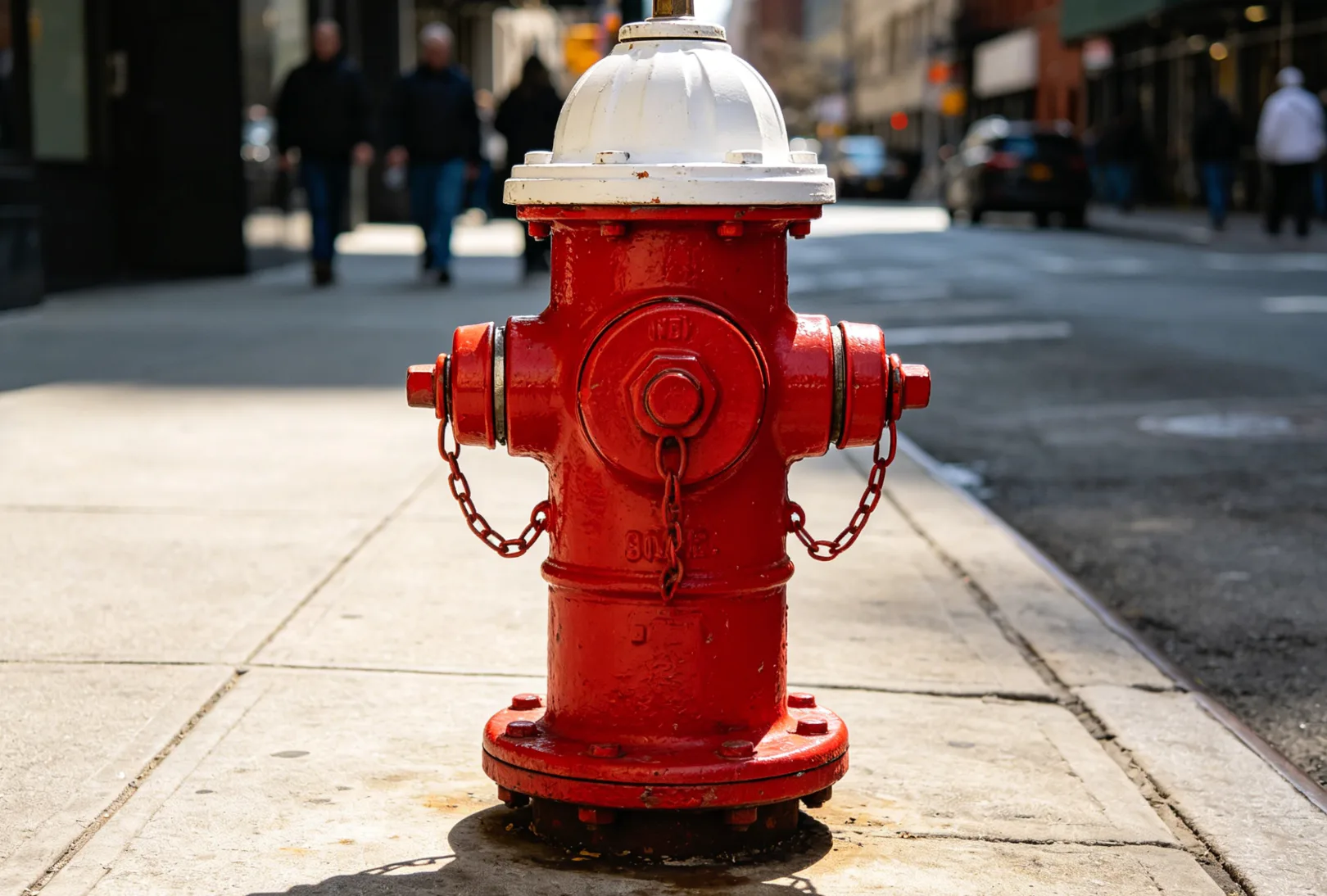
What Are the Core Components of a Fire Hydrant System?
A fire hydrant system consists of interconnected equipment designed to deliver water at sufficient flow rates and pressure during an emergency. Understanding each component is essential for evaluating system performance and maintenance requirements.
The primary components include:
Fire hydrant body: The above-ground valve assembly that firefighters connect to. It includes the nozzle outlets, operating nut, and drain valve.
-
Fire hydrant barrel: The vertical pipe extending below ground, connecting the hydrant to the water main. Wet barrel hydrants remain filled with water; dry barrel hydrants empty after each use.
-
Control valve: Located on the supply line, this valve allows the hydrant to be isolated for maintenance without disrupting the municipal water supply.
-
Flange and connector fittings: Join the hydrant to the pipeline. Material selection (ductile iron, cast iron, or stainless steel) affects corrosion resistance and longevity.
-
Fire hose nozzle: The outlet point for firefighting hoses. Thread specifications vary by region—NST (National Standard Thread) in North America, BS 336 BST in the UK.
Each component must comply with applicable standards. In the United States, UL 246 Standard for Fire Hydrants and FM 1112 certification provide third-party verification of performance. In Europe, EN 14339 governs buried fire hydrants. Buyers should confirm that products carry marks recognized in their target market.
For a comprehensive overview of available hydrant types and their specifications, refer to the fire hydrant product category on our platform.
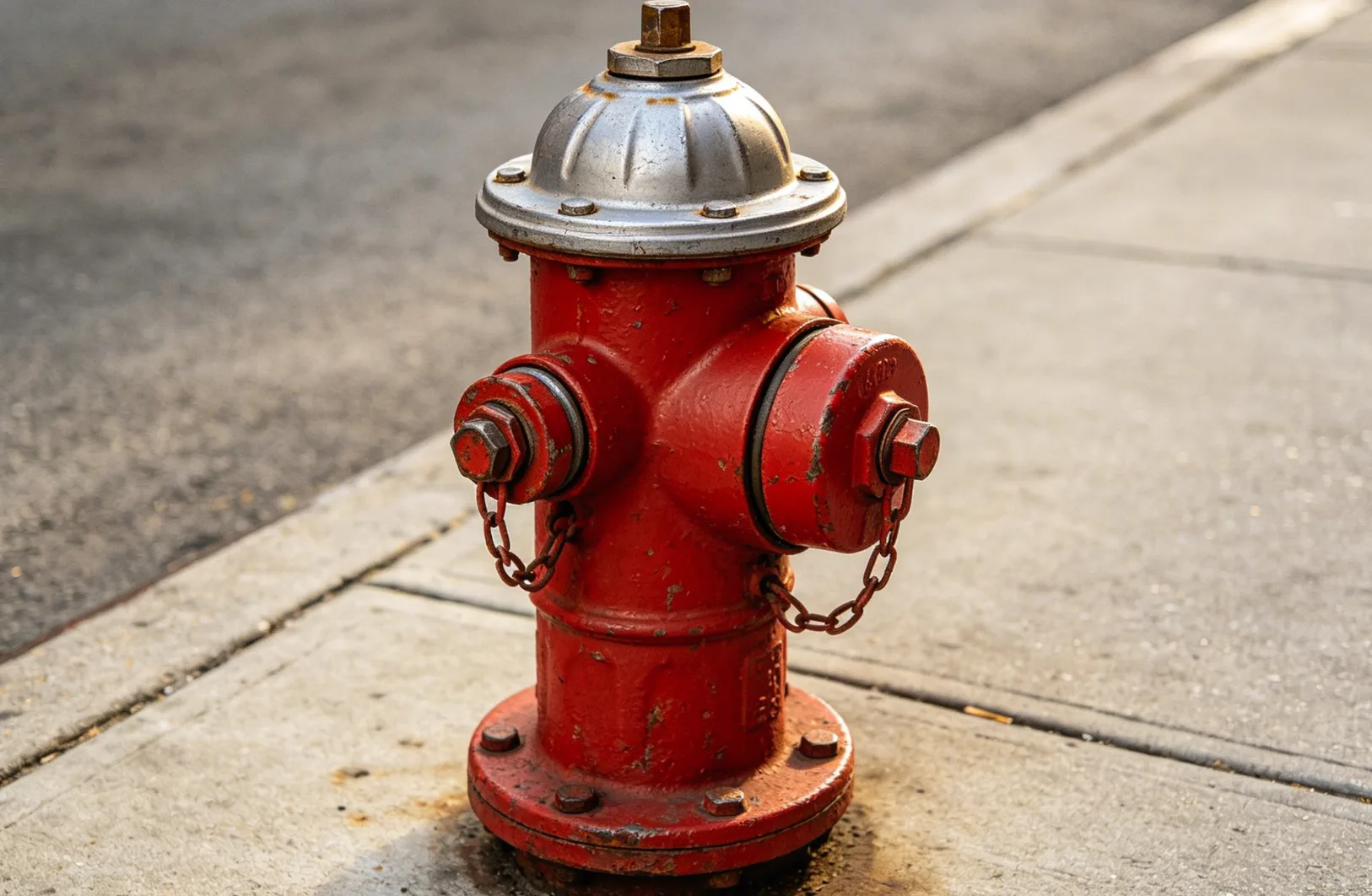
What Types of Fire Hydrants Are Available, and How Do They Differ?
Selecting the correct hydrant type depends primarily on climate, burial depth, and expected usage frequency. The two dominant categories are wet barrel and dry barrel hydrants.
What Is a Wet Barrel Fire Hydrant?
A wet barrel hydrant holds water continuously in the barrel above the valve seat. Water is present in the hydrant at all times, which allows immediate water delivery through any outlet.
Wet barrel hydrants are characterized by:
1.Individual outlet isolation: Each nozzle operates independently via its own valve. Any single outlet can be opened without affecting others.
2.Simplified operation: Firefighters can connect hoses and receive water immediately.
3.Climate limitation: These hydrants are suitable only for regions where freezing temperatures do not occur or where hydrants can be installed below the frost line.
Typical applications include: commercial buildings in mild climates, industrial facilities with consistent water supply, and municipal systems in temperate coastal regions.
What Is a Dry Barrel Fire Hydrant?
A dry barrel hydrant uses a valve located below the frost line. The barrel remains empty of water until the hydrant is opened, at which point water flows upward into the hydrant body.
Key characteristics include:
1.Frost protection: The valve mechanism is buried below the frost line, preventing ice formation in the hydrant barrel.
2.Operating mechanism: A stern nut at the top of the hydrant controls a rod that opens the main valve below ground.
3.Drainage requirement: A drain valve automatically empties the barrel after use to prevent water retention.
Dry barrel hydrants are standard in North America, northern Europe, and any region with seasonal freezing conditions.
How Do Wet Barrel and Dry Barrel Hydrants Compare?
| Attribute | Wet Barrel Hydrant | Dry Barrel Hydrant |
|---|---|---|
|
Valve location |
Above ground, at the hydrant seat |
Below frost line |
|
Water in barrel |
Always full |
Empty until activated |
|
Freeze protection |
None — requires frost-free burial |
Integral, via below-ground valve |
|
Maintenance complexity |
Lower — valve accessible above ground |
Higher — may require excavation |
|
Typical markets |
Southern US, Australia, tropical regions |
Northern US, Canada, northern Europe |
|
Cost |
Generally lower initial cost |
Higher installation cost due to deeper burial |
The selection between wet and dry barrel systems should be guided by the minimum temperature record at the installation site and local fire authority requirements. Building codes in most cold-climate jurisdictions mandate dry barrel hydrants.
How Do International Standards Impact Fire Hydrant Selection?
Fire hydrant systems are subject to rigorous standards that govern materials, pressure ratings, flow performance, and testing protocols. Compliance is not optional—most jurisdictions require evidence of standards compliance as a condition of permit issuance.
Key international standards include:
NFPA 24 Standard for the Installation of Private Fire Service Mains and Their Appurtenances: Governs private fire service mains feeding hydrants in the United States. NFPA 24 specifies burial depth, thrust restraint, and hydrostatic testing requirements.
-
UL 246 / FM 1112: These standards establish performance requirements for hydrant resistance to pressure, impact, and environmental conditions. Products bearing the UL or FM mark have been tested by accredited laboratories.
-
EN 14339 (Europe): Specifies requirements for buried fire hydrants including pressure rating (PN10/PN16), hydrostatic strength, and ease of operation.
-
ISO 9001: While not specific to fire hydrants, manufacturers holding ISO 9001 certification demonstrate a documented quality management system.
Buyers importing hydrants for use in regulated markets should verify that products carry the required certification marks. Products from certified manufacturers that comply with NFPA and EN standards are more likely to pass local inspection.
Flow testing is another critical compliance step. NFPA 291 provides recommended practices for flow testing fire hydrants, establishing the available water supply for firefighting purposes. A hydrant that fails to deliver the rated flow rate may not provide adequate protection.
What Are the Key Performance Criteria When Evaluating Fire Hydrants?
Performance criteria provide the quantitative basis for comparing competing hydrant products. The following parameters should be evaluated during the procurement process.
- Flow Rate (GPM or L/min) The flow rate indicates the volume of water the hydrant can deliver under specified pressure conditions. NFPA 291 recommends a minimum residual pressure of 20 psi (1.4 bar) at the hydrant outlet during flow testing. Commercial facilities in high-demand areas may require hydrants rated at 1,000 GPM (3,785 L/min) or higher.
- Pressure Rating Hydrants must withstand the maximum system pressure encountered during normal operation and transient events such as water hammer. Standard ratings include 200 psi (13.8 bar) and 250 psi (17.2 bar). The selected rating should exceed the maximum expected static pressure by a safety margin of at least 1.5x.
- Body Material Common materials include:
Ductile iron: High strength, good corrosion resistance, widely used in municipal systems.
-
Cast iron: Cost-effective, suitable for low-pressure applications.
-
Stainless steel: Superior corrosion resistance in aggressive soil conditions or coastal environments.
- Coating and Corrosion Protection Fusion-bonded epoxy (FBE) coatings provide excellent barrier protection. For buried applications in corrosive soils, supplementary cathodic protection may be required. AWWA C550 specifies requirements for internal cement mortar lining of iron hydrants.
- Operational Torque The operating torque required to open the hydrant valve should be within the capability of a single firefighter using standard equipment. Excessive torque indicates mechanical binding, which can delay emergency response.
What Maintenance Practices Ensure Long-Term Reliability?
A fire hydrant system that is not maintained presents a significant risk during a fire emergency. Studies by the Fire Protection Research Foundation indicate that up to 15% of hydrants in some municipal systems may be non-functional at any given time due to lack of maintenance.
A maintenance program should include:
Annual inspection tasks:
1.Visual inspection of the hydrant body for damage, corrosion, or paint deterioration.
2.Operation of the main valve through a full open-close cycle.
3.Verification that the drain valve closes properly and does not leak.
4.Inspection of nozzle caps and threads for damage or corrosion.
5.Lubrication of the operating nut and stem threads
Periodic flushing: Hydrants should be flushed at least annually to remove sediment and verify water flow. Flushing also confirms that the control valve upstream of the hydrant is functioning correctly.
Post-use inspection: After any fire event, the hydrant should be inspected for damage before being returned to service. This includes checking for physical impacts, verifying nozzle integrity, and confirming the drain valve seals properly.
Winter preparation in cold climates: Dry barrel hydrants should be inspected before the onset of freezing temperatures to confirm the drain valve is functioning. Wet barrel hydrants in freeze-risk areas should be drained or replaced with dry barrel models.
What Emerging Trends Are Shaping the Fire Hydrant Industry?
The fire protection industry is undergoing a technology transition driven by IoT sensors, data analytics, and stricter environmental regulations.
Key trends include:
Smart hydrant monitoring: Embedded sensors can track flow, pressure, and valve position in real time. Remote monitoring reduces inspection labor costs and enables predictive maintenance. A 2023 market analysis by MarketsandMarkets projected the smart water metering market—including hydrant monitoring—to reach $2.8 billion by 2027, growing at a compound annual rate of 9.3%.
Corrosion-resistant materials: Stricter environmental regulations are driving adoption of stainless steel and advanced polymer coatings to reduce leaching from hydrant components into water distribution systems.
Modular hydrant designs: Newer hydrant models feature modular above-ground components that can be replaced without excavating the barrel. This reduces maintenance time and service disruption.
Sustainable manufacturing: Leading manufacturers are obtaining ISO 14001 environmental management certification and reducing energy consumption in foundry operations.
Frequently Asked Questions
What is the difference between a fire hydrant and a yard hydrant?
A fire hydrant is a high-capacity valve assembly connected to a municipal or private water main, designed to supply large volumes of water for firefighting. A yard hydrant (also called a farm hydrant) is a lower-capacity above-ground valve used for irrigation and general water distribution. Fire hydrants are engineered to meet specific flow and pressure ratings defined in NFPA 24 or EN 14339; yard hydrants do not typically meet these requirements.
How often should fire hydrants be tested?
NFPA 291 recommends flow testing fire hydrants at least annually, with full inspection every five years. Functional testing—opening and closing the valve—should be performed annually. Hydrostatic pressure testing to 200 psi (or 1.5x maximum system pressure) should be conducted at five-year intervals or after any repair that involves the main valve.
Can fire hydrants be installed in freezing climates?
Yes, but the hydrant type must be appropriate for the climate. In regions where ground frost occurs, dry barrel hydrants are required. The valve mechanism is located below the frost line (typically 3 to 4 feet / 1 to 1.2 meters below grade in North America), preventing ice from forming in the hydrant barrel. Wet barrel hydrants are only suitable in frost-free environments.
What certifications should a fire hydrant carry for use in the United States?
Fire hydrants installed in the United States should carry UL 246 listing or FM 1112 certification. Municipal water utilities may have additional requirements regarding thread specifications (NST) and color coding per NFPA 291. Products should also comply with local plumbing codes adopted by the Authority Having Jurisdiction (AHJ).
How long does a fire hydrant last in service?
The service life of a fire hydrant depends on material, soil conditions, water quality, and maintenance frequency. Ductile iron hydrants in benign environments typically last 50 to 75 years. In corrosive soil or coastal environments without supplemental protection, service life may be reduced to 20 to 30 years. Regular inspection and maintenance are the primary factors in maximizing hydrant longevity.