
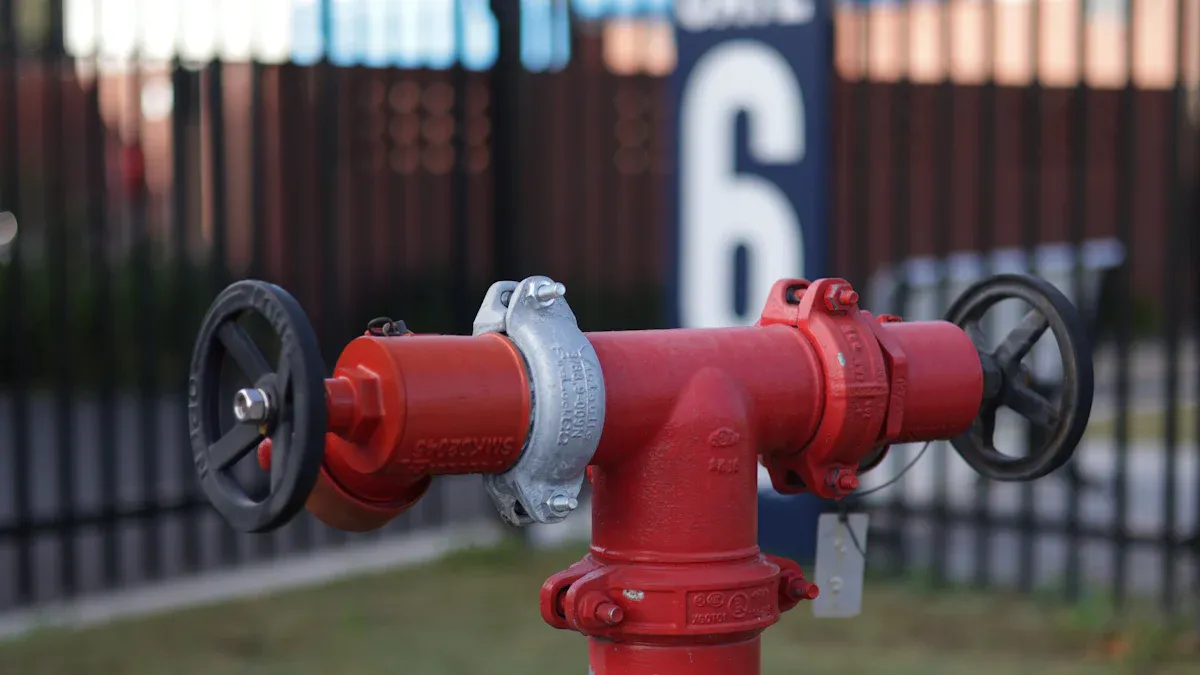
Firefighting equipment relies heavily on fire hydrant valves, which play a crucial role in ensuring effective fire suppression. The fire hydrant valve materials used in their construction significantly impact performance and durability. Commonly utilized materials include ductile iron, cast iron, bronze, and polyurethane. Each of these industrial fire hydrant valves offers unique properties that enhance the overall effectiveness of fire hydrant valve systems. Recent trends indicate a shift towards innovative, corrosion-resistant materials, which improve the fire hydrant valve material performance and enhance the longevity and reliability of these essential components in firefighting operations. What are the main fire hydrant valve materials? Understanding this is key to selecting the right valves for optimal performance in emergency situations.
Key Takeaways
- Brass is durable and cost-effective, making it a popular choice for fire hydrant valves, though it has moderate corrosion resistance.
- Bronze offers superior corrosion resistance, especially in harsh environments, but may have higher lead content, raising concerns for potable water use.
- Stainless steel provides excellent durability and low maintenance needs, making it ideal for long-term use despite a higher initial cost.
- Ductile iron is strong and impact-resistant, outperforming cast iron in high-pressure situations, making it a reliable option for firefighting applications.
- Selecting the right material for fire hydrant valves is crucial for performance, longevity, and cost-effectiveness, considering factors like corrosion resistance and environmental impact.
Brass
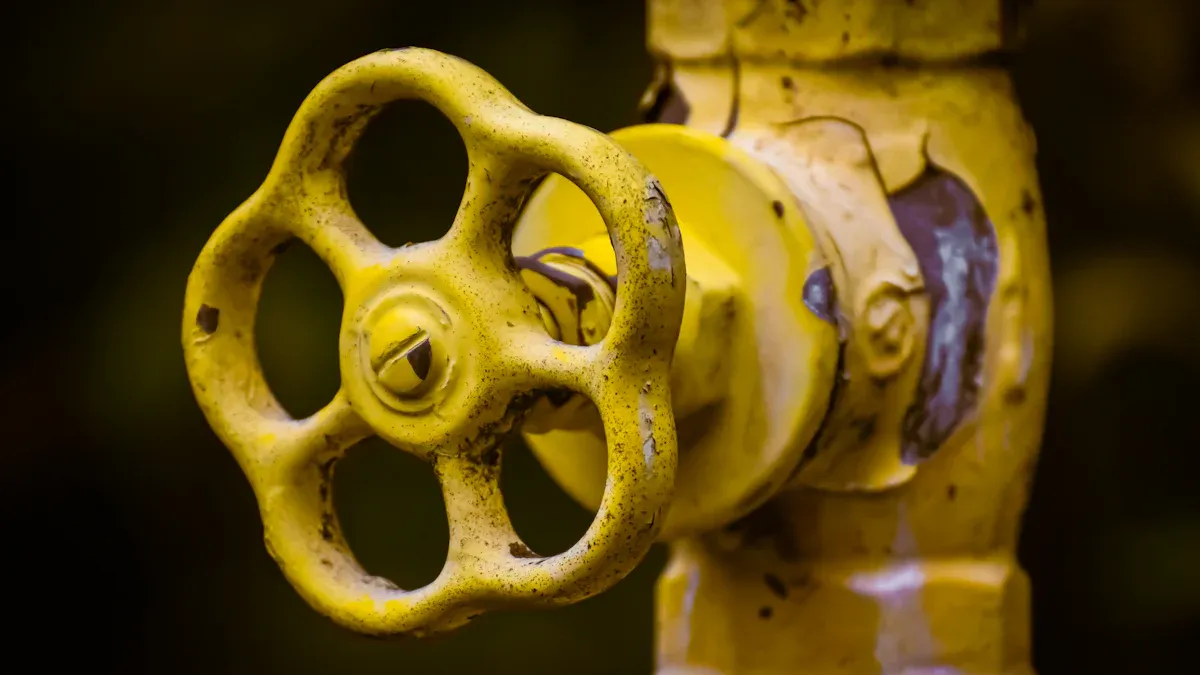
Brass is a popular choice for fire hydrant valves due to its unique properties. This alloy, primarily composed of copper and zinc, offers several advantages that enhance its performance in firefighting applications.
- Durability: Brass exhibits high durability and reliability in demanding environments. Its ability to withstand wear and tear ensures long-term functionality, making it ideal for critical firefighting equipment.
- Strength: The strength of brass makes it a preferred material in industrial fire protection systems. It effectively controls water flow during firefighting operations, ensuring that firefighters can access the necessary resources quickly.
In terms of corrosion resistance, brass holds a moderate position compared to other materials. The following table illustrates how brass compares to alternative materials used in fire hydrant valves:
| Material | Corrosion Resistance | Cost-Effectiveness | Machinability |
|---|---|---|---|
| Brass | Moderate | High | Easy |
| Bronze | Superior | Moderate | Moderate |
| Nickel-Aluminum Bronze | High in corrosive areas | Moderate | Moderate |
Brass’s moderate corrosion resistance allows it to perform well in various environments, although it may not be as resilient as bronze or nickel-aluminum bronze in highly corrosive settings. However, its cost-effectiveness and ease of machining make it a practical choice for many applications.
Overall, brass remains a vital material in the construction of fire hydrant valves. Its combination of durability, strength, and cost-effectiveness contributes to the reliability of firefighting equipment, ensuring that it meets the demands of emergency situations.
Bronze
Bronze is a widely used material in the construction of fire hydrant valves. This alloy, primarily composed of copper and tin, offers several benefits that enhance its performance in firefighting applications.
One of the most significant advantages of bronze is its exceptional corrosion resistance. This property is particularly valuable in environments exposed to seawater or other corrosive elements. Fire hydrant valves made from bronze can withstand harsh conditions, ensuring reliable operation over time. Additionally, bronze is relatively inexpensive compared to other high-performance materials, making it an attractive option for many municipalities and organizations.
However, bronze does have some drawbacks. The casting and machining processes can lead to a rough exterior due to porosity and shrinkage cavities. This can affect the overall aesthetics and functionality of the valve. Furthermore, bronze often contains higher lead content compared to brass, which raises concerns for potable water applications.
The following table summarizes the advantages and disadvantages of using bronze in fire hydrant valves:
| Advantages | Disadvantages |
|---|---|
| Corrosion resistance, especially against seawater | Limited to casting or machining processes, leading to rough exterior due to porosity and shrinkage cavities |
| Relatively inexpensive | Higher lead content compared to brass, a concern for potable water applications |
Stainless Steel
Stainless steel is a highly regarded material in the construction of fire hydrant valves. Its unique properties make it an excellent choice for ensuring reliability and durability in firefighting equipment.
- Corrosion Resistance: Stainless steel resists corrosion effectively. This property is crucial for maintaining functionality in harsh environments, such as those exposed to moisture and chemicals.
- Durability: The durability of stainless steel ensures long-lasting performance. Fire hydrant valves made from this material can withstand the rigors of firefighting operations without compromising their integrity.
- Reliability: The use of stainless steel in internal components, such as spindles and handles, contributes to the overall reliability and longevity of the valves. This reliability is essential for emergency situations where every second counts.
While stainless steel valves may have a higher initial cost compared to those made from brass or iron, they offer significant long-term benefits.
- Lower Maintenance Costs: Stainless steel valves require minimal upkeep due to their corrosion resistance. In contrast, brass valves often necessitate more frequent maintenance in corrosive environments, leading to higher long-term costs.
- Cost Comparison: A stainless steel valve may cost twice as much initially as an iron valve. However, the reduced maintenance needs can offset this initial investment over time.
Cast Iron
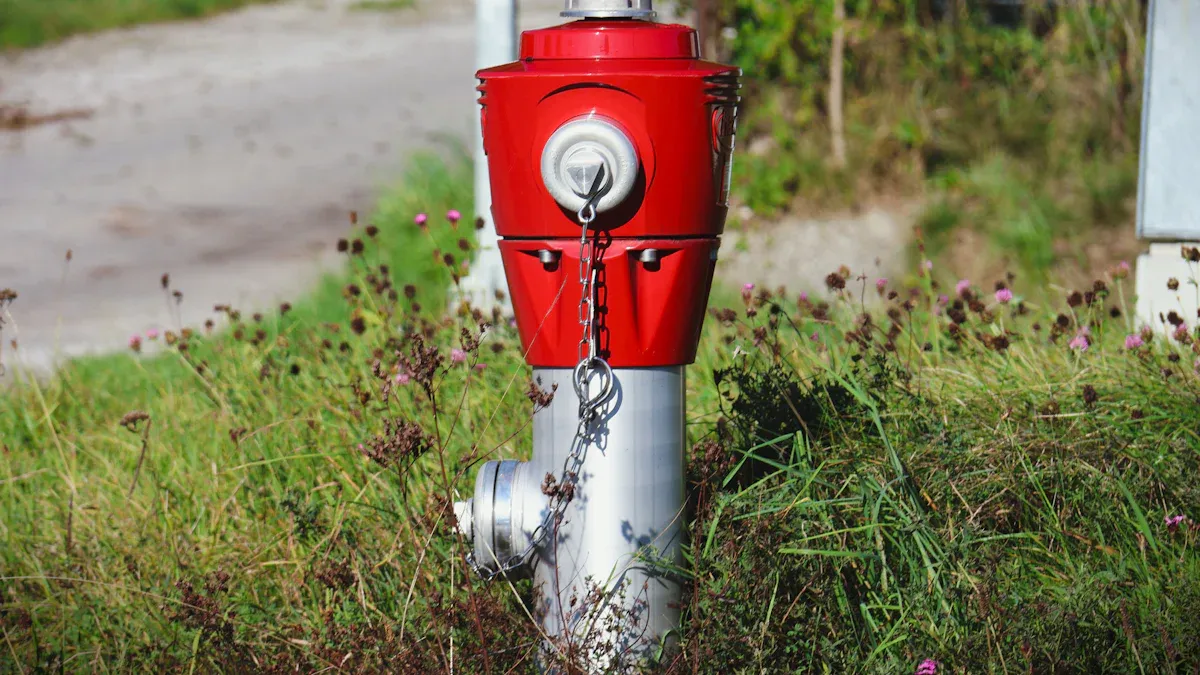
Cast iron is a traditional material used in the construction of fire hydrant valves. Its unique properties make it a popular choice for many applications in firefighting equipment.
- Cost-effectiveness: Cast iron is known for its affordability. This material provides a budget-friendly option for municipalities and organizations looking to equip their firefighting systems without overspending.
- Strength: Cast iron offers sufficient strength for various applications. It can withstand significant pressure, making it suitable for many firefighting scenarios. However, it is important to note that cast iron valves can be less ductile. This brittleness can lead to cracking under extreme conditions.
| Property | Description |
|---|---|
| Cost-effectiveness | Cast iron is a cost-effective material for valves. |
| Strength | It provides sufficient strength for many applications. |
| Ductility | Less ductile, which can lead to brittleness. |
| Corrosion | More prone to corrosion compared to other materials. |
Despite its advantages, cast iron has notable drawbacks. Research indicates that cast iron valves struggle in high-pressure environments. Their brittle nature makes them susceptible to cracking, especially during sudden pressure changes. This brittleness increases the risk of failure, particularly in situations where internal water pressure fluctuates. Corrosion also poses a significant threat to the integrity of cast iron valves, further contributing to potential failures.
Ductile Iron
Ductile iron has emerged as a preferred material for fire hydrant valves due to its remarkable mechanical and chemical properties. This material, characterized by its nodular graphite structure, offers several advantages that enhance its performance in firefighting applications.
- Mechanical Strength: Ductile iron gate valves can operate under pressures up to 640 psi (around 44 bar) and withstand temperatures as high as 730 °C. This capability makes them suitable for demanding firefighting environments.
- Impact Resistance: The unique structure of ductile iron provides excellent impact resistance and fatigue strength. This resilience ensures that valves maintain their integrity even under extreme conditions.
- Corrosion Resistance: Ductile iron exhibits strong resistance to rust and chemical degradation. Often, manufacturers enhance this property with protective coatings, such as epoxy or galvanization, to prolong the lifespan of the valves in aggressive environments.
- Pressure Surge Resistance: The robust construction of ductile iron allows valves to withstand sudden pressure surges while maintaining a reliable seal.
Compared to cast iron, ductile iron demonstrates superior durability and lower maintenance needs. While cast iron can endure high pressures, its rigidity makes it susceptible to cracking under bending forces. This brittleness necessitates regular maintenance to combat rust and corrosion. In contrast, ductile iron’s flexibility enables it to endure high pressures and temperatures without significant degradation, making it a more reliable choice for fire hydrant valves.
Material Selection Considerations
Selecting the right materials for fire hydrant valves involves careful consideration of several factors. These factors include corrosion resistance, cost, and environmental impact.
Corrosion Resistance
Corrosion resistance is crucial for fire hydrant valves, especially in urban environments. Materials like stainless steel and bronze offer superior resistance to corrosion. For instance, the Waterous Trend fire hydrant features an all-bronze valve seat, which enhances durability and ease of repair. Additionally, the external surfaces of the hydrant are coated with an epoxy primed and polyurethane top coat system. This coating provides a high-gloss finish that resists corrosion effectively. In corrosion resistance tests, this coating demonstrated significant resilience, showing no corrosion areas larger than 0.060 inches after 500 hours of salt spray exposure.
Cost Factors
Cost plays a significant role in material selection. While premium materials like stainless steel may have a higher initial cost, they often lead to lower maintenance expenses over time. The total cost of ownership includes installation costs, lifespan, maintenance frequency, and potential downtime expenses. Cheaper materials may lead to higher long-term costs due to frequent replacements or inefficiencies. Therefore, municipalities must weigh the initial investment against long-term savings when selecting materials for fire hydrant valves.
| Material Type | Corrosion Resistance | Pressure Tolerance | Ideal Use Cases |
|---|---|---|---|
| Premium Brass (Cu≥62%) | High | 20 bar | Municipal use, industrial environments |
| Marine Fire Hydrant Valve | Excellent | High | Coastal cities, marine environments |
| Stainless Steel Fire Hydrant | Superior | High | Harsh industrial, marine environments |
Environmental Impact
The environmental impact of materials used in fire hydrant valves is increasingly important. Manufacturers must consider the sustainability of their materials and the potential for recycling. Using materials that can withstand harsh conditions reduces the need for replacements, thereby minimizing waste. Additionally, compliance with environmental regulations ensures that the materials used do not harm ecosystems.
In summary, the choice of materials for fire hydrant valves significantly impacts their performance and reliability. Key materials include brass, bronze, stainless steel, cast iron, and ductile iron, each offering unique properties that cater to various firefighting needs. For instance, stainless steel provides excellent corrosion resistance, while ductile iron offers superior strength and impact resistance.
Selecting the right material is crucial for ensuring long-term reliability and safety in municipal water systems. High-quality materials and corrosion-resistant coatings enhance durability, leading to lower maintenance costs and fewer system failures. As the demand for effective firefighting equipment grows, municipalities must prioritize material selection to ensure optimal performance during emergencies.
FAQ
What is the best material for fire hydrant valves?
The best material depends on the application. Stainless steel offers excellent corrosion resistance, while ductile iron provides superior strength. Municipalities often choose based on environmental conditions and budget constraints.
How often should fire hydrant valves be maintained?
Regular maintenance is essential. Inspect valves at least annually. Check for leaks, corrosion, and functionality to ensure reliable operation during emergencies.
Can fire hydrant valves be repaired?
Yes, many fire hydrant valves can be repaired. Common repairs include replacing seals, gaskets, and internal components. Proper maintenance can extend the lifespan of the valve.
What factors influence the cost of fire hydrant valves?
Cost factors include material type, manufacturing processes, and additional features like corrosion-resistant coatings. Premium materials may have higher upfront costs but can reduce long-term maintenance expenses.
Are there environmental concerns with fire hydrant valve materials?
Yes, some materials may pose environmental risks. Selecting sustainable materials and ensuring compliance with regulations can minimize negative impacts on ecosystems.