
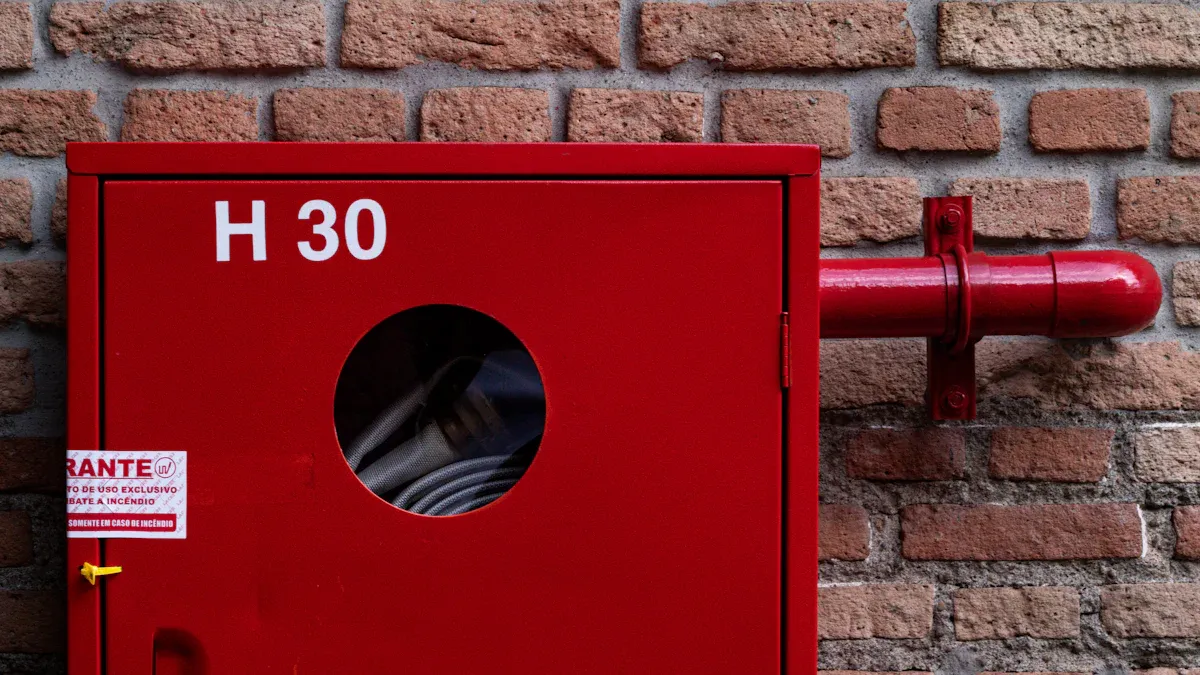
Fire fighting equipment, such as fire hose reels, plays a critical role in ensuring safety within commercial buildings. These devices, including retractable fire hose reels and wall mounted fire hose reels, provide quick access to water during a fire, potentially saving lives and property. Neglecting fire hose reel maintenance can lead to severe consequences, including increased risks of fire hazards, significant damage to assets, and potential loss of life. Regular fire fighting hose drum inspections and compliance with regulations, such as those set by the National Fire Protection Association (NFPA), are essential for effective fire fighting equipment management. Additionally, timely emergency fire equipment repair is crucial to maintain operational readiness in case of an emergency.
Key Takeaways
- Conduct monthly visual inspections of fire hose reels to identify damage and ensure functionality.
- Maintain detailed records of inspections and repairs to comply with safety regulations and enhance accountability.
- Train staff regularly on fire hose reel use and maintenance to foster a culture of safety and preparedness.
Understanding Fire Hose Reels
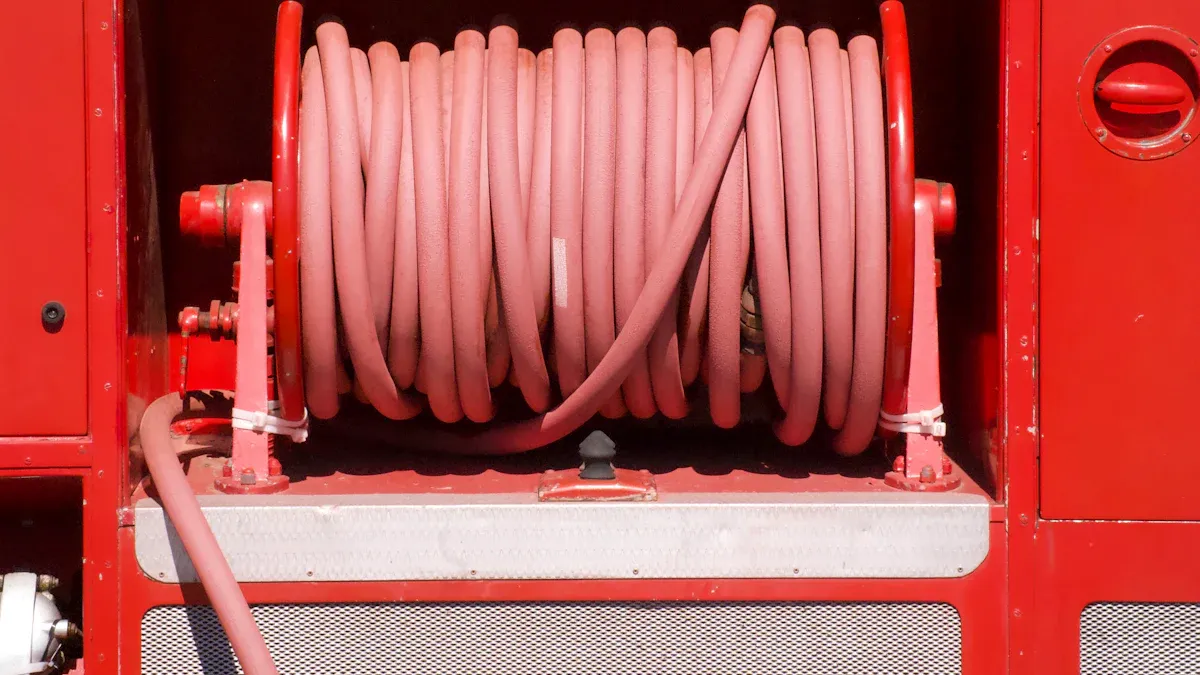
Fire hose reels serve as vital firefighting devices in commercial buildings. They provide a continuous and controlled water supply, enabling quick response to small fires. These reels are designed for easy handling and rapid deployment, making them essential for early-stage fire control.
The main components of fire hose reels include:
| Component | Function |
|---|---|
| Cabinet | Protects the hose reel and plumbing components, available in various sizes. |
| Hose | A rubber hose (9mm to 20mm diameter) up to 36 meters long for quick deployment. |
| Shut-Off Valve | Manually controls water flow, located inside or outside the cabinet. |
| Guide and Hose Stop | Directs hose during deployment and prevents retraction during use. |
| Nozzle | Allows adjustment of water stream from jet to spray, made of brass. |
| Drum | The reel is made of steel or plastic, mounted either horizontally or vertically. |
| Water Supply | Connects to the building’s internal water pipe network for pressurized water. |
These components work together to ensure immediate access to water during emergencies. Fire hose reels differ from other fire suppression equipment in several ways:
- They provide a continuous stream of water, making them effective for Class A fires.
- Unlike fire extinguishers, hose reels are not limited by the type and quantity of extinguishing agent.
- Hose reels are user-friendly and require minimal maintenance, making them suitable for various environments.
Additionally, hose reels protect hoses from damage, extend their lifespan, and minimize tripping hazards by keeping hoses off the ground. This design allows for quick retraction and unwinding, saving time and energy during critical moments.
Inspection Requirements
Regular inspections of fire hose reels are crucial for ensuring their reliability and effectiveness during emergencies. Fire safety standards recommend that commercial buildings conduct visual inspections of fire hose reels on a monthly basis. These inspections help identify any damage, wear, or blockages that could hinder performance. Additionally, periodic testing is necessary to confirm the proper functioning of the reel and water flow. The frequency of testing may vary according to local regulations.
During inspections, personnel should check the following items:
| Item/Component | Description |
|---|---|
| Hose reels/standpipes accessible | Ensure they are easily reachable |
| Cabinet intact | Check for any damage or issues |
| Hose/nozzle condition acceptable | Inspect for wear or damage |
| Static pressure reading (psi/bar) | Verify pressure is within limits |
Common issues identified during inspections include:
| Inspection Criteria | Status Options |
|---|---|
| Hose is in designated position with unobstructed access | Yes / No / N/A |
| Inspect for damage, corrosion, faults, and obstruction | Yes / No / N/A |
| Ensure drum assembly is free to rotate | Yes / No / N/A |
Documentation is essential for compliance purposes. The following records must be maintained:
- Monthly visual inspections are required.
- Comprehensive quarterly inspections must be conducted.
- Annual service testing is necessary.
- All inspections must be documented and records maintained for at least one year.
- Records of annual inspections should be kept for the life of the system.
Failing to conduct regular inspections can lead to serious consequences, including:
- Insufficient water pressure
- Delayed response during a fire
- Increased risk to occupants and staff
- Immediate non-compliance under AS 2441 & AS 1851
- Potential insurance and legal implications
By adhering to these inspection requirements, commercial buildings can ensure that their fire fighting equipment remains operational and effective, ultimately enhancing safety for all occupants.
Maintenance Procedures
Maintaining fire hose reels is essential for ensuring their reliability and effectiveness during emergencies. Regular maintenance procedures help prevent malfunctions and extend the lifespan of these critical fire fighting equipment components. Here are the recommended maintenance steps:
- Records: Keep careful records of inspections, including dates, inspectors, and test results.
- Unroll the Hose: Unroll the reel and extend the hose to its full length for inspection.
- Water Test: Conduct a water test at higher pressure to check for leaks and ensure proper flow.
- Fittings and Valves: Inspect all fittings and valves for functionality through visual checks and practical testing.
- Compliance: Ensure all testing and records comply with local laws to enhance safety.
Regular cleaning and lubrication also play a vital role in maintaining fire hose reels. Follow these steps to keep the equipment in optimal condition:
- Inspect the hose for damage or wear, including checking for cracks, fraying, and kinks.
- Clean the hose by disconnecting and depressurizing it, then using a soft brush to remove dirt.
- Rinse the hose with low-pressure water and dry it properly before storage.
- Lubricate moving parts monthly with manufacturer-recommended lubricants to ensure smooth operation.
- Store the hose in a cool, dry place away from direct sunlight.
Common maintenance mistakes can lead to serious issues. Here are some mistakes to avoid, along with prevention tips:
| Common Mistakes | Prevention Tips |
|---|---|
| Poor connections | Use factory-built hose reel units |
| Incorrect installation | Install as per IS: 884 |
| Lack of proper drainage | Provide air vents at top points |
| Install drain valves at bottoms | |
| Flush system yearly | |
| Keep chambers dry with proper slope |
Recent technological advancements have improved fire hose reel inspection and maintenance. These innovations include:
| Advancement Type | Description |
|---|---|
| Smart Sensors | Integration of sensors for real-time monitoring of hose pressure and integrity. |
| IoT Connectivity | Enables automated data logging and predictive maintenance, reducing unexpected downtimes. |
| Advanced Materials | Use of materials that enhance corrosion resistance and improve overall system durability. |
| Digital Transformation | Shift from static inspections to proactive maintenance models through data analytics. |
Integrating fire hose reel maintenance into overall building safety protocols is crucial. Best practices include:
| Aspect | Best Practice |
|---|---|
| Maintenance | Regular inspections to check for leaks and ensure functionality, including annual flow tests. |
| Training and Awareness | Conduct regular fire drills and training sessions for employees on fire safety procedures. |
By following these maintenance procedures, commercial buildings can ensure their fire hose reels remain functional and effective, ultimately enhancing safety for all occupants.
Compliance Standards
Compliance with fire hose reel standards is essential for maintaining safety in commercial buildings. The National Fire Protection Association (NFPA) sets forth guidelines that dictate how often inspections should occur. Regular inspections typically happen annually, but hoses that see frequent use may require more frequent checks. Any hose stored for over a year must undergo testing before returning to service.
Failure to comply with these standards can lead to serious consequences. Noncompliance may result in fines of up to $1,000. In some cases, individuals could face imprisonment for a period not exceeding six months. These penalties highlight the importance of adhering to fire safety regulations.
Commercial buildings must prioritize compliance to ensure the reliability of their fire fighting equipment. Regular inspections and maintenance not only fulfill legal obligations but also protect lives and property. By following NFPA guidelines, businesses can mitigate risks associated with fire hazards and enhance overall safety.
In addition to legal compliance, fostering a culture of safety within the organization is crucial. Training staff on the importance of fire hose reel maintenance and inspections can further reinforce safety protocols.
Ultimately, compliance with fire hose reel standards is not merely a legal requirement; it is a commitment to the safety and well-being of all building occupants.
Training and Responsibilities
Building management and staff play crucial roles in ensuring the readiness of fire hose reels. Their responsibilities include:
- Quick Access: They must ensure immediate availability of fire hoses for rapid response during emergencies.
- Protection: Staff should safeguard the hose reel and equipment from damage and environmental factors.
- Compliance: Adhering to fire safety regulations and standards enhances legal safety.
- Safety: Providing a reliable means for occupants to control and extinguish fires is essential.
Effective training methods are vital for ensuring proper fire hose reel use and maintenance. Regular training sessions help familiarize staff with equipment and best practices. These sessions should cover hose deployment, pressure management, and maintenance procedures.
Hands-on practice is equally important. Simulated firefighting scenarios allow staff to develop skills and confidence. This practical experience ensures that they can respond effectively in real emergencies.
Incorporating these training methods fosters a culture of safety within the organization. By prioritizing training and clearly defining responsibilities, commercial buildings can enhance their fire safety protocols. This proactive approach not only protects lives but also preserves property and ensures compliance with safety regulations.
Regular inspections and maintenance of fire hose reels are vital for ensuring safety in commercial buildings. These practices help identify hidden failures and ensure reliable water flow during emergencies.
- Prioritize fire safety by conducting regular drills and training sessions.
- Foster a culture of compliance through ongoing education and awareness among staff.
By committing to these practices, organizations can enhance safety and protect lives and property.
FAQ
What is the purpose of fire hose reels?
Fire hose reels provide quick access to water for extinguishing small fires, enhancing safety in commercial buildings.
How often should fire hose reels be inspected?
Inspect fire hose reels monthly for visual checks and conduct comprehensive inspections quarterly to ensure functionality.
What are the consequences of neglecting fire hose reel maintenance?
Neglecting maintenance can lead to insufficient water pressure, delayed response during fires, and potential legal penalties.