
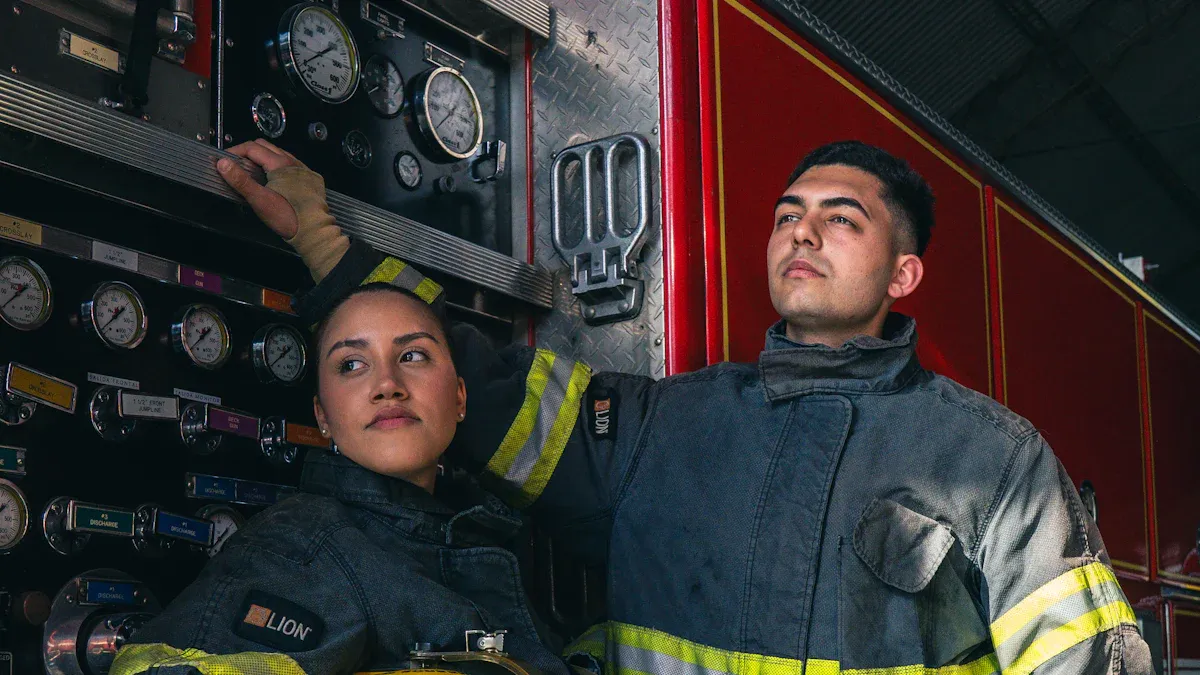
Identifying low-quality firefighting equipment is crucial for ensuring safety and effectiveness. As a leading fire equipment supplier, we understand that poor-quality gear can lead to significant risks, including operational failures that may result in injuries or legal liabilities. For example, inadequate protection can increase safety concerns for firefighters. Importers must also be aware of compliance standards when evaluating fire equipment manufacturers to avoid purchasing unsuitable equipment. Adhering to recognized firefighting standards, such as those outlined in the ISO series, ensures that the gear meets safety and performance requirements. Additionally, a fire extinguisher certification guide can help ensure that all extinguishers meet necessary safety protocols. Furthermore, testing fire hose durability is essential to guarantee reliability in emergency situations. It is also important to consider what are the common defects in fire valves to ensure optimal performance and safety.
Key Takeaways
- Verify compliance with safety standards like NFPA and ISO to ensure equipment quality.
- Prioritize high-quality materials in firefighting gear for better durability and safety.
- Conduct regular inspections and testing of equipment to maintain operational readiness.
- Build strong relationships with reputable suppliers to ensure consistent quality.
- Educate yourself on quality indicators to make informed purchasing decisions.
Key Indicators of Low-Quality Equipment
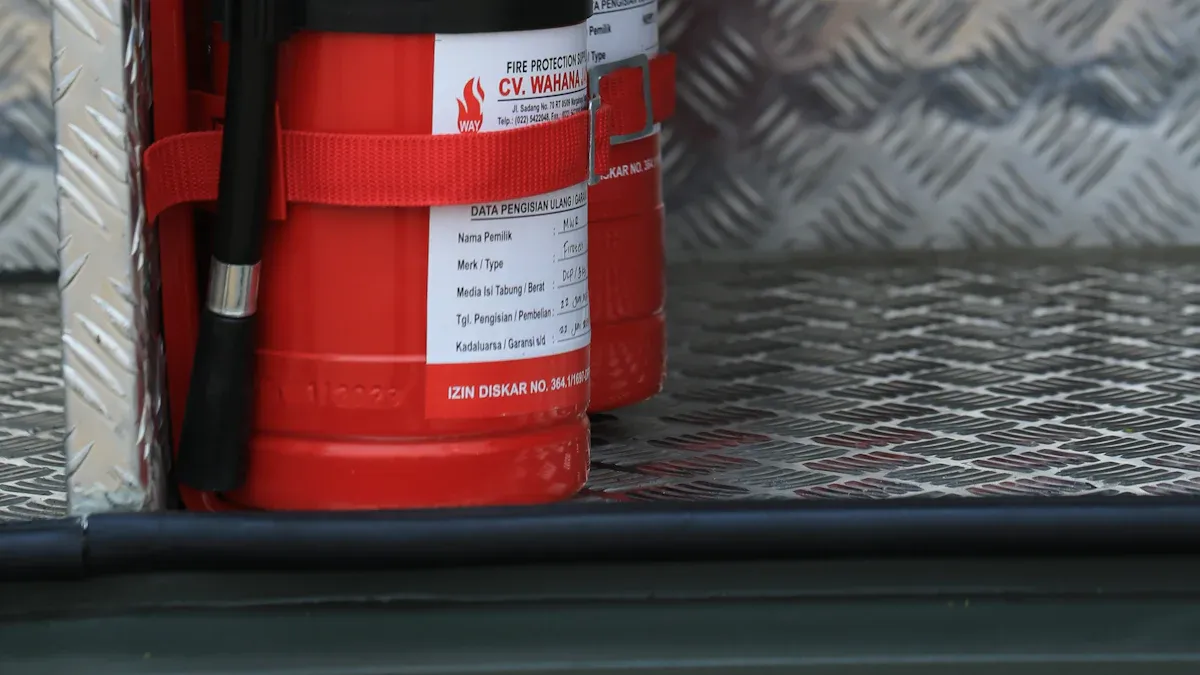
Lack of Compliance with Standards
One of the most significant indicators of low-quality firefighting equipment is a lack of compliance with established safety standards. Importers should verify that their suppliers adhere to recognized standards such as those set by the National Fire Protection Association (NFPA) or the European Norm (EN). To ensure compliance, importers can take several steps:
- Inquire if suppliers can adapt products to comply with new or revised standards.
- Request updated NFPA compliance certificates from suppliers.
- Ensure that products meet the labeling requirements of the Consumer Product Safety Commission (CPSC).
- Confirm if suppliers are open to third-party inspections for certification.
The NFPA has a certification program that helps identify quality products, ensuring they are manufactured and tested to high standards. Importers should obtain these certificates from their suppliers and keep them as part of their records, especially for regular suppliers. Standards accepted in the U.S. change frequently, with NFPA guidelines updated every three to five years. Regular assessment of compliance with current standards is recommended.
Poor Material Quality
The materials used in firefighting equipment significantly impact its performance and durability. High-quality firefighting gear typically utilizes advanced materials designed to withstand extreme conditions. In contrast, low-quality products often rely on substandard materials that compromise safety.
| Equipment Type | High-Quality Materials | Low-Quality Materials |
|---|---|---|
| Fire Blankets | Fire-resistant materials | Standard fabrics |
| Fire Suit | Multi-layered fire-resistant materials | Basic protective clothing |
| Firefighter Gloves | High-temperature resistant materials | Regular gloves |
| Gas Tight Suit | Multi-layered impermeable construction | Single-layer suits |
High-quality materials ensure better heat resistance and protection. Specialized designs enhance dexterity and safety for firefighters. Multi-layered constructions provide additional barriers against hazardous substances. Importers should prioritize equipment made from these superior materials to ensure the safety of their personnel.
Inadequate Testing Procedures
Inadequate testing procedures can lead to catastrophic failures during emergencies. Firefighting equipment must undergo rigorous testing to confirm its operational readiness. For instance, fire pump systems require weekly no-flow tests, while fire alarm systems need weekly testing through the activation of manual call points. These structured testing frequencies are essential to ensure that all components function correctly.
Annual testing of hoses and pumps is crucial for effective fire suppression. Neglecting this can lead to failures during emergencies, which is detrimental to firefighting efforts. Proper testing is mandated by the Insurance Services Office (ISO), and maintaining accurate testing records is essential for compliance and financial implications for the department. Regular inspections of fire suppression systems are vital, including visual assessments of sprinkler components for damage and ensuring fire extinguishers are inspected monthly.
Importers should be vigilant about the testing protocols employed by their suppliers. A lack of thorough testing can indicate a disregard for safety and quality, putting both firefighters and the public at risk.
Risks of Using Low-Quality Firefighting Gear
Safety Hazards for Firefighters
Using low-quality firefighting gear poses significant safety hazards for firefighters. When equipment fails, it can lead to dire consequences. For instance, firefighters may face exposure to extreme heat or toxic substances without adequate protection. This risk increases when gear does not meet established safety standards.
Tip: Regular inspections and maintenance of firefighting equipment are essential to ensure operational readiness and safety.
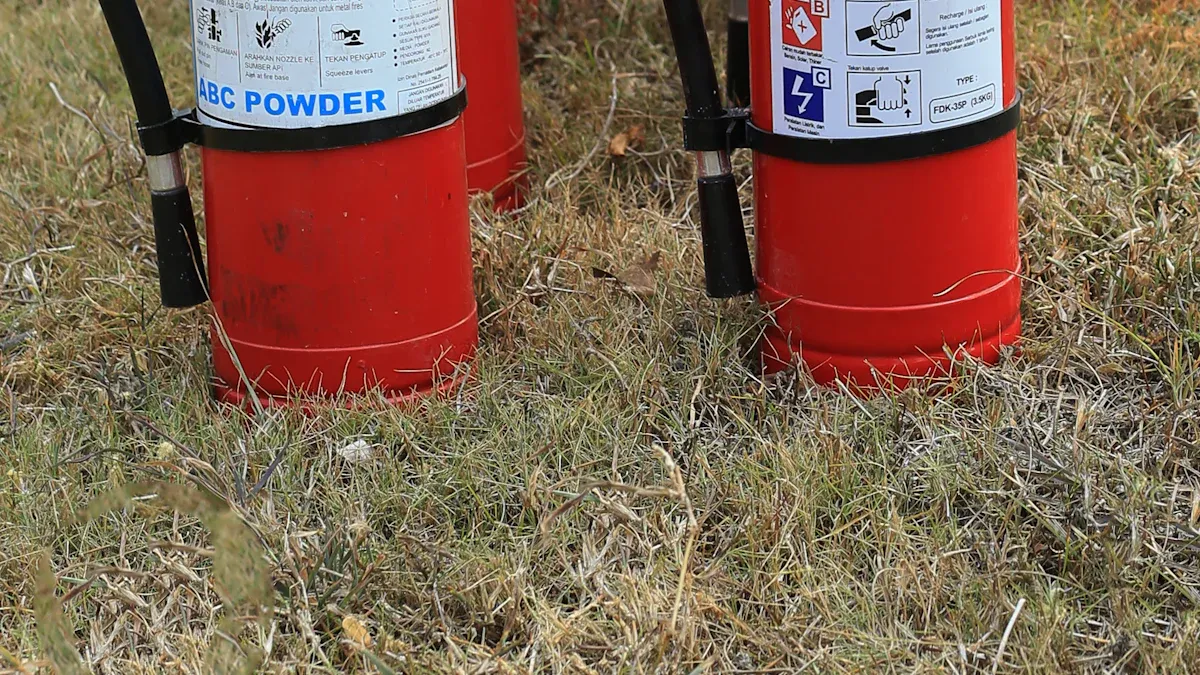
A documented incident highlights these dangers. Several wheeled dry powder extinguishers were found in poor condition, exhibiting low pressure and corrosion. This situation underscores the importance of conducting thorough inspections and removing defective equipment. Regular maintenance and crew training are vital to mitigate these risks.
Increased Liability for Importers
Importers of firefighting equipment also face increased liability when they choose low-quality products. If equipment fails during an emergency, the consequences can be severe. Importers may find themselves legally responsible for injuries or damages resulting from equipment malfunctions.
The financial implications can be substantial. Legal fees, settlements, and reputational damage can arise from lawsuits linked to faulty gear. Importers must prioritize quality to protect themselves from these liabilities. They should ensure that their suppliers adhere to recognized safety standards and conduct rigorous testing of their products.
Potential for Equipment Failure
The potential for equipment failure is a critical concern when dealing with low-quality firefighting gear. Common types of equipment failures reported in firefighting operations include:
- Intake side issues, such as bad hydrants that may not flow properly due to age or maintenance.
- Pump/mechanical issues that can arise during operations.
- Discharge side issues that affect the delivery of water.
These failures can hinder firefighting efforts and compromise public safety. Importers must be vigilant in assessing the reliability of the equipment they source. They should work closely with reputable fire equipment suppliers who prioritize quality and compliance with safety standards.
By understanding these risks, importers can make informed decisions that prioritize safety and effectiveness in firefighting operations.
Importance of Certifications
Certifications play a vital role in ensuring the quality and reliability of firefighting equipment. They provide assurance that products meet established safety standards, which is crucial for both importers and end-users.
Recognized Safety Standards
Safety standards such as UL, FM, and CE significantly impact the reliability of firefighting equipment. These certifications ensure that products undergo rigorous testing and comply with local codes. For example, UL certification involves extensive testing and quality audits, leading to higher reliability and potentially lower insurance premiums. Similarly, CE marking is essential for market entry in Europe, ensuring that products meet EU safety requirements.
The following list highlights the benefits of recognized safety standards:
- UL certification enhances reliability through compliance with NFPA standards.
- CE marking is legally required in Europe, ensuring essential safety standards are met.
- Both certifications reduce liability risks and enhance trust in the performance of firefighting equipment.
Role of Third-Party Testing
Third-party testing enhances product safety by providing an objective assessment of firefighting equipment. Independent organizations conduct tests to verify compliance with safety standards, such as those set by the NFPA. This process involves a thorough review of documentation and consistent testing across different labs.
The table below outlines key aspects of third-party testing:
| Evidence | Description |
|---|---|
| NFPA Standards | Firefighting equipment must be tested by an independent third-party organization to ensure compliance with NFPA standards, which are legally adopted by governments. |
| Third-Party Certification | Independent testing verifies that the design and construction of equipment meet safety requirements, enhancing product safety. |
| Annual Inspections | Products undergo annual inspections to ensure ongoing compliance with safety standards. |
By prioritizing certifications and third-party testing, importers can ensure they source reliable firefighting equipment. This diligence not only protects firefighters but also enhances the reputation of the fire equipment supplier.
Fire Equipment Supplier Vetting Process
Assessing Supplier Reputation
Importers must thoroughly assess the reputation of a fire equipment supplier before making purchasing decisions. A strong reputation often indicates reliability and quality. Key criteria to consider include:
- Checking industry certifications
- Reviewing third-party audit reports
- Analyzing public financial records
- Requesting customer references
- Examining documented case studies of successful deployments in real emergency scenarios
These steps help importers gauge the supplier’s credibility and commitment to quality.
Evaluating Manufacturing Practices
High-quality firefighting equipment results from stringent manufacturing practices. Importers should look for suppliers that utilize advanced materials and technologies. Consider the following practices associated with top-tier manufacturers:
- Use of advanced materials like carbon fiber, titanium, and advanced polymers for strength and durability
- Integration of smart technology such as sensors and GPS for improved decision-making
- Adherence to stricter industry standards to ensure safety and performance
By focusing on these aspects, importers can identify suppliers that prioritize quality in their manufacturing processes.
To verify the quality control processes of manufacturers, importers can review the following documentation:
| Audit Areas | Documentation Required |
|---|---|
| Factory profile and legal documents | Quality manual and standard operating procedures |
| Machinery and production lines | Training records |
| Quality management processes | Incoming and outgoing inspection results |
| Incoming and outgoing inspections | Calibration certificates |
| Worker safety and labor practices | Equipment maintenance logs |
| Environmental management | Payroll and attendance records (for social compliance) |
| Traceability and documentation | Environmental records and permits |
Importance of References and Reviews
References and reviews play a crucial role in the supplier selection process. A supplier’s reputation significantly impacts the quality of firefighting equipment. Importers should consider the following:
- Customer testimonials provide insights into the reliability of products and services.
- Researching reviews helps in making informed purchasing decisions.
SafeWise conducts independent research and testing to provide unbiased reviews of firefighting equipment, particularly fire extinguishers. They consult with firefighters and analyze customer reviews to ensure their evaluations are based on real-world experiences. This kind of thorough research can guide importers toward reputable suppliers.
Best Practices for Quality Assurance
Regular Equipment Inspections
Regular inspections of firefighting equipment are essential for maintaining safety and performance. Importers should establish a routine inspection schedule to ensure that all equipment remains in optimal condition. The following table outlines recommended inspection frequencies for various types of firefighting equipment:
| Equipment Type | Inspection Frequency |
|---|---|
| Fire Extinguishers | Monthly visual inspection; Annual service by a professional |
| Fire Sprinkler Systems | Quarterly checks; Annual drain flow test; Biannual control valve opening |
| Fire Suppression Systems | Annual inspection by a qualified professional |
| Fire Alarms | Annual inspection with a professional fire safety company |
| Emergency Lighting | Monthly checks; Annual inspection by a qualified professional |
By adhering to these guidelines, importers can identify potential issues before they escalate, ensuring that equipment functions effectively during emergencies.
Training for Importers on Quality Indicators
Training for importers on quality indicators is vital for making informed purchasing decisions. Importers should familiarize themselves with key quality indicators, such as material specifications, compliance certifications, and testing protocols. This knowledge empowers them to assess the quality of firefighting equipment accurately.
Importers can benefit from workshops and seminars that focus on industry standards and best practices. Engaging with experts in the field can enhance their understanding of what constitutes high-quality firefighting gear. This proactive approach helps importers avoid low-quality products and ensures they prioritize safety in their procurement processes.
Building Relationships with Reliable Suppliers
Building long-term relationships with reliable suppliers significantly reduces the risk of receiving low-quality firefighting equipment. When importers establish strong partnerships, suppliers become more attuned to their needs and expectations. This alignment fosters trust and encourages suppliers to maintain high standards.
The following table highlights the benefits of developing these relationships:
| Benefit | Description |
|---|---|
| Improved Communication | Suppliers understand specific requirements, leading to better product alignment. |
| Enhanced Quality and Consistency | Trusted suppliers are more invested in maintaining high standards. |
| Reduced Reactive Buying | Long-term partnerships minimize the need for emergency purchases. |
By prioritizing relationships with reputable fire equipment suppliers, importers can ensure a consistent supply of high-quality firefighting gear, ultimately enhancing safety and operational effectiveness.
Identifying low-quality firefighting equipment is essential for ensuring safety and operational efficiency. Importers should prioritize quality by considering the following key points:
- Durability, safety, and operational efficiency are critical features that must be communicated clearly to buyers.
- Relying solely on price can lead to poor decision-making and inferior quality. Prioritizing quality over initial cost ensures robust fire safety measures.
Importers must implement best practices immediately. They can start by:
- Keeping humans in control of critical actions to prevent errors.
- Delivering visible wins within 4–8 weeks to address stakeholder pain points.
- Measuring key performance indicators that reflect daily operations.
By focusing on these strategies, importers can enhance their procurement processes and ensure the safety of firefighting operations.
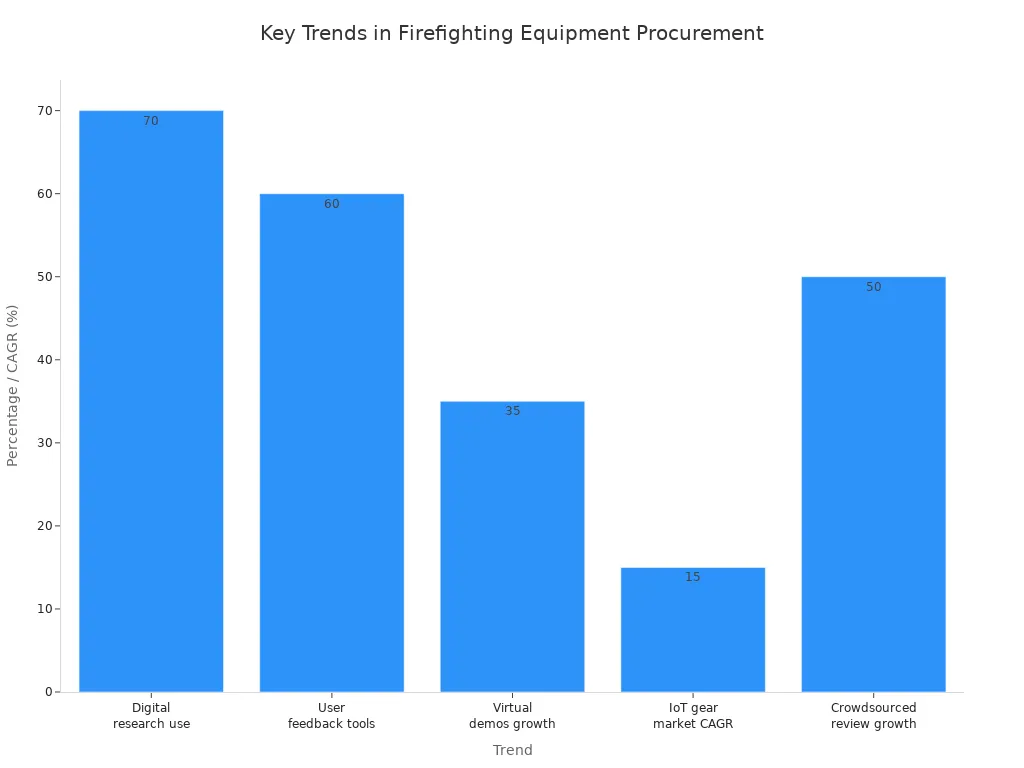
| Trend | Statistic | Source |
|---|---|---|
| Use of digital research resources | 70% of fire departments increased digital product research use (40% rise since 2019) | 2023 IAFC Study |
| Structured user feedback adoption | Over 60% of procurement managers now use formal feedback tools | 2023 Fire Equipment Market Analysis |
| Virtual demonstration growth | 35% year-over-year increase in virtual demo usage over two years | Industry Reports |
FAQ
What are the main signs of low-quality firefighting equipment?
Low-quality firefighting equipment often lacks compliance with safety standards, uses inferior materials, and undergoes inadequate testing. Importers should look for certifications and verify supplier practices to ensure quality.
How can importers verify compliance with safety standards?
Importers can request compliance certificates from suppliers, check for third-party testing, and review documentation that confirms adherence to recognized safety standards like NFPA or ISO.
Why is third-party testing important?
Third-party testing provides an unbiased assessment of equipment quality. It ensures that products meet safety standards and enhances reliability, reducing risks for both firefighters and importers.
What should importers consider when vetting suppliers?
Importers should assess supplier reputation, evaluate manufacturing practices, and seek references. A strong reputation often indicates a commitment to quality and safety in firefighting equipment.
How often should firefighting equipment be inspected?
Regular inspections are crucial. Fire extinguishers should undergo monthly visual checks, while other equipment like fire alarms and sprinkler systems require quarterly or annual inspections to ensure operational readiness.