
Ensuring operational readiness of fire suppression systems is critical for urban and industrial infrastructure. A comprehensive Fire Hydrant Maintenance program reduces the risk of mechanical failure during emergencies and extends the service life of water distribution assets. According to recent 2026 infrastructure reports, nearly 15% of emergency response delays in aging municipal zones are attributed to poorly maintained or inaccessible hydrants. This guide provides a technical framework for implementing a robust Fire Safety Checklist that aligns with international standards.
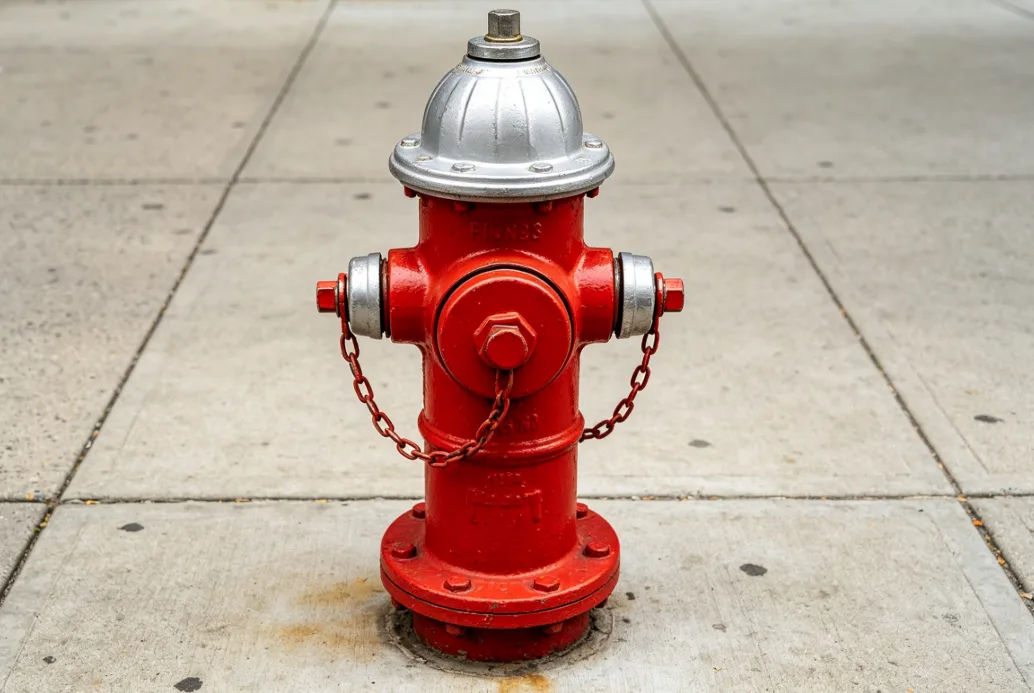
Importance of Regular Fire Equipment Inspection for Emergency Readiness
Regular Fire Equipment Inspection serves as the primary defense against corrosion, sediment buildup, and mechanical seizure in water systems. Standardized maintenance protocols ensure that water flow rates meet minimum pressure requirements for firefighting operations. The National Fire Protection Association (NFPA) 291 provides the foundational technical benchmarks for flow testing and marking of hydrants. Failure to adhere to these benchmarks can lead to catastrophic system failures during high-demand scenarios.
Effective Fire Hydrant Maintenance involves verifying the integrity of the hydrant barrel, operating nut, and nozzle caps. In municipal environments, seasonal changes—particularly freeze-thaw cycles—can cause soil shifting or internal ice formation, which compromises the valve’s ability to open. Consistent monitoring through a structured Fire Safety Checklist allows facility managers and city engineers to identify minor leaks before they escalate into costly underground pipe bursts.
Technical Specifications and Performance Standards for Hydrants
System performance is measured by the available flow rate at 20 psi (138 kPa) residual pressure. Professional Fire Equipment Inspection must categorize hydrants based on their flow capacity to assist fire departments in choosing the correct water source. The U.S. Environmental Protection Agency (EPA) emphasizes that maintaining these systems also prevents water quality degradation caused by stagnant water in lateral lines.
Table 1: Hydrant Classification by Flow Capacity (NFPA Standards)
| Class | Color Code | Flow Capacity at 20 psi (GPM) | Recommended Application |
|---|---|---|---|
|
Class AA |
Light Blue |
1,500 or greater |
High-density commercial zones |
|
Class A |
Green |
1,000–1,499 |
Industrial complexes |
|
Class B |
Orange |
500–999 |
Residential neighborhoods |
|
Class C |
Red |
Less than 500 |
Limited access or rural areas |
Step-by-Step Fire Hydrant Maintenance Procedures
The execution of a Fire Hydrant Maintenance plan requires specialized tools, including hydrant wrenches, pressure gauges, and pitot tubes. The procedure begins with a visual assessment to ensure the unit is visible and unobstructed by vegetation or construction. Following the visual check, the mechanical operation of the stem and valve must be tested. Integrating a high-quality fire hydrant valve into the system ensures long-term reliability and ease of operation during these routine checks.
The functional test involves opening the hydrant fully to flush the system of debris and sediment. This process, known as “directional flushing,” improves water clarity and confirms that the drain mechanism is working correctly. A malfunctioning drain can lead to water retention in the barrel, causing the unit to freeze in winter. During this phase, technicians should inspect the nozzle couplings for thread wear and ensure the gaskets provide a watertight seal when under pressure.
Critical Components of a Fire Safety Checklist for Municipalities
A comprehensive Fire Safety Checklist must include an evaluation of the surrounding environment and the physical condition of the hydrant. Municipalities often manage thousands of units; therefore, digital logging of inspection data is recommended to track historical performance. The American Water Works Association (AWWA) M17 Manual outlines that hydrants should be inspected at least once annually. Private systems in high-risk areas, such as chemical plants, may require bi-annual reviews.
Essential Inspection Elements:
-
Accessibility: Ensure a 36-inch clear space around the hydrant for hose attachment.
-
Lubrication: Apply food-grade grease to the operating nut and nozzle threads.
-
Structural Integrity: Check for cracks in the cast iron barrel and ensure the “breakaway” flange is intact.
-
Valve Operation: Confirm the underground gate valve is fully open to allow maximum flow.
-
Leak Detection: Use acoustic sensors or visual checks for “weeping” at the nozzles.
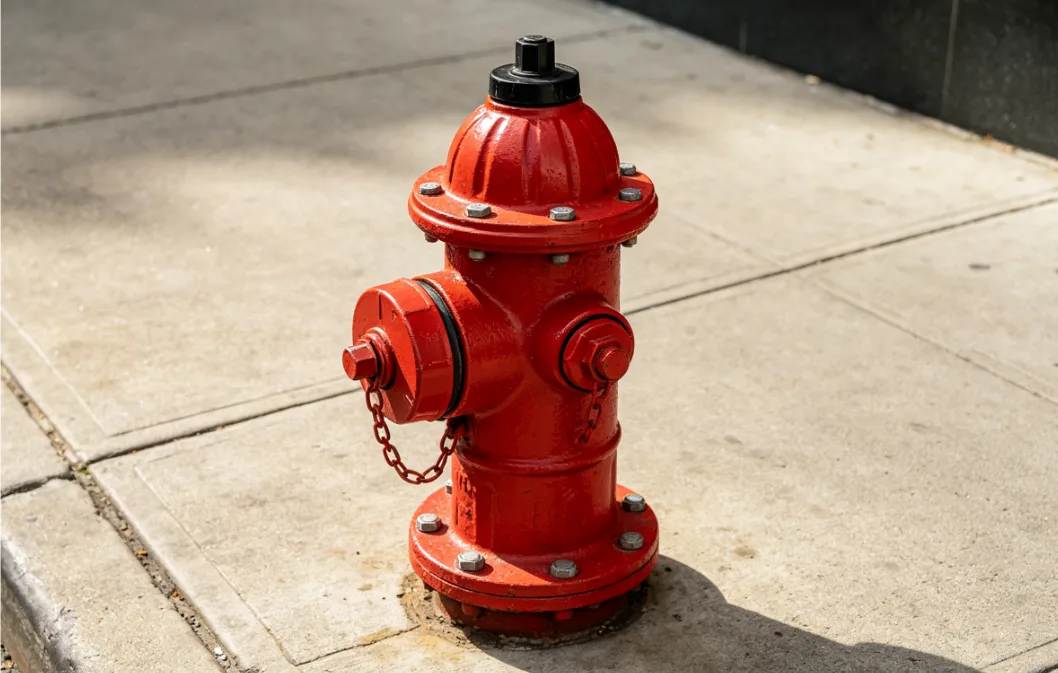
Advanced Fire Equipment Inspection and Flow Testing Metrics
Flow testing is the most technical aspect of Fire Equipment Inspection. It involves measuring the static pressure (pressure when no water is flowing) and the residual pressure (pressure during flow). These metrics allow engineers to calculate the Total Available Flow. Using an accurate pressure monitoring gauge is vital for recording precise data that determines if the local water main can support large-scale firefighting efforts.
Data from these tests should be compared against the 2026 regional water master plan to identify zones with declining pressure. Technical data from the Insurance Services Office (ISO) suggests that communities with documented flow test records receive better public protection classifications, which directly impacts local insurance premiums. High-performance ductile iron fittings are often installed during maintenance to reinforce connections that show signs of pressure-induced stress.
Table 2: Maintenance Frequency and Action Items
| Frequency | Task Category | Specific Action |
|---|---|---|
|
Annual |
Mechanical |
Full cycle of the main valve; lubrication of threads |
|
Annual |
Hydraulic |
Flow testing and static/residual pressure recording |
|
Bi-Annual |
Visual |
Paint touch-ups and clearing of obstructing debris |
|
5-Year |
Internal |
Comprehensive inspection of the lower valve assembly |
Standardizing Documentation for Fire Hydrant Maintenance Compliance
Proper record-keeping is the cornerstone of Fire Hydrant Maintenance accountability. Each inspection report should include the hydrant’s unique ID, GPS coordinates, date of service, and the name of the technician. This documentation is often required by the Occupational Safety and Health Administration (OSHA) during safety audits of industrial facilities. Clear records provide proof of due diligence and are essential for liability protection in the event of a fire-related loss.
The transition to smart infrastructure has introduced IoT sensors that monitor pressure in real-time. While these do not replace physical Fire Equipment Inspection, they provide early warnings of system leaks. When replacing older components, selecting a flanged fire hydrant model facilitates easier removal and repair compared to traditional threaded models. This modularity reduces downtime and labor costs during emergency repairs or scheduled upgrades.
Summary of Key Findings in Fire Safety Checklist Implementation
A successful Fire Safety Checklist program hinges on three primary factors: technical precision, consistency, and standardized reporting.
1.Technical Precision: Using calibrated tools for flow and pressure measurement ensures data accuracy.
2.Consistency: Adhering to the NFPA 291 annual schedule prevents mechanical seizure and corrosion.
3.Standardized Reporting: Maintaining detailed logs supports municipal planning and insurance compliance.
Integrating high-durability components, such as a pumper nozzle adapter, ensures that modern fire department hoses can connect seamlessly to older hydrant bodies. By following these steps, both municipal and private entities can guarantee that their fire suppression infrastructure remains reliable for years to come.
FAQ
How can I determine if a fire hydrant’s drain valve is functioning correctly?
After closing the main valve, place your hand over the nozzle opening. A slight suction should be felt as the water drains out of the barrel into the surrounding gravel bed. If water remains in the barrel, the drain hole is likely clogged, requiring a pressurized flush or mechanical cleaning to prevent freezing.
What is the minimum pressure required for a hydrant to be considered operational?
While hydrants can operate at various pressures, the standard minimum residual pressure during a flow test is 20 psi. This 20 psi buffer is necessary to prevent a vacuum in the water mains, which could cause pipe collapse or the back-siphonage of contaminants into the potable water supply.
How does a “dry barrel” hydrant differ from a “wet barrel” hydrant in maintenance?
Dry barrel hydrants have the main valve located underground to prevent freezing and require checking the drain mechanism. Wet barrel hydrants, used in warm climates, have water in the barrel at all times and have valves at each nozzle. Maintenance for wet barrels focuses more on external seal integrity and stem lubrication.
Can I use any lubricant on hydrant threads and operating nuts?
No, only non-petroleum based, food-grade lubricants or specialized graphite should be used. Petroleum-based products can degrade rubber gaskets and seals over time. Furthermore, since hydrants are connected to the drinking water system, using non-toxic lubricants prevents potential contamination of the local water supply during backflow events.
What should be done if a hydrant’s operating nut is rounded or stripped?
A rounded operating nut prevents the hydrant wrench from gaining traction, making the unit inoperable. The nut must be replaced immediately. During replacement, technicians should also check the stem for torque damage to ensure that the internal valve hasn’t been forced beyond its limit, which could cause a permanent leak.