
A fire hose is a reinforced flexible pipeline designed to move water or foam at controlled pressure from a water source to a fire scene. Fire hose performance depends on five factors: hose diameter, hose lining, jacket strength, coupling quality, pump pressure, and nozzle selection. In practical terms, a fire hose works by converting stored water pressure and pump energy into usable flow at the nozzle. According to the National Fire Protection Association (NFPA), hose systems remain a core part of structural firefighting, industrial fire response, and standpipe protection systems. Correct hose selection improves flow efficiency, reduces friction loss, and supports firefighter safety.
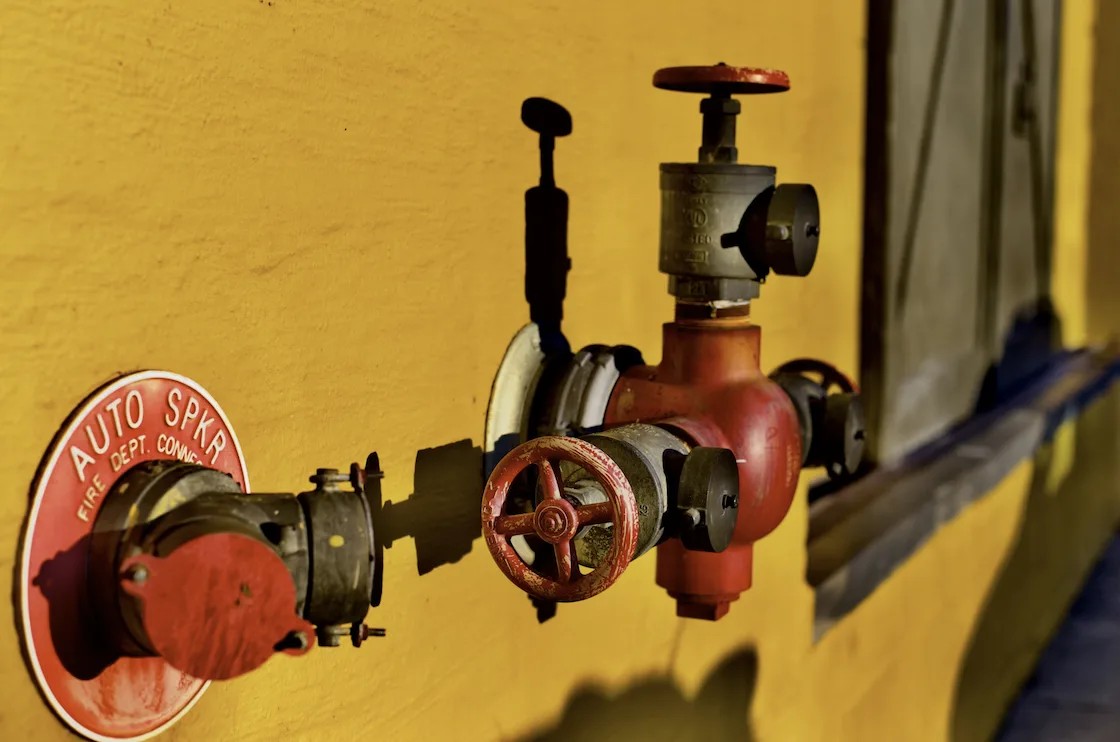
Fire Hose Definition and Main Purpose
A fire hose is an engineered hose assembly used to transport extinguishing agents such as water, foam concentrate solution, or clean water supply. Unlike garden or utility hose products, a fire fighting hose uses high-tensile synthetic reinforcement and abrasion-resistant outer jackets.
Common fire hose applications include
Structural firefighting attack lines
Water supply lines from hydrants or pumps
Industrial plant emergency systems
Marine and offshore fire protection
Building standpipe hose stations
For facilities needing certified hose products, fire hose supplier solutions typically include attack hose, layflat hose, couplings, and cabinet assemblies.
How Does a Fire Hose Work?
A fire hose works through pressure transfer. Water enters the hose from a hydrant, fire pump, tanker, or standpipe riser. The pump increases pressure to overcome elevation loss, hose friction loss, and nozzle demand. Water then exits the nozzle as a straight stream, fog pattern, or foam stream.
The process follows this sequence
Water source provides base supply
Pump adds required discharge pressure
Hose carries flow with limited expansion
Nozzle shapes stream for target application
Operator controls reach and pattern
The National Institute of Standards and Technology (NIST) notes that stream reach and cooling effectiveness depend heavily on flow rate and droplet pattern.
Core Components of a Fire Hose System
Every reliable hose line contains multiple engineered parts. A failure in any component can reduce pressure or create leakage.
| Component | Function | Typical Material |
|---|---|---|
|
Inner Liner |
Holds water and reduces leakage |
EPDM / Rubber / TPU |
|
Outer Jacket |
Adds strength and abrasion resistance |
Polyester |
|
Couplings |
Connect hose sections |
Aluminum / Brass |
|
Nozzle |
Controls stream pattern |
Alloy / Composite |
|
Gaskets |
Seal threaded connections |
Rubber |
Many industrial buyers choose fire hose coupling products to match local thread standards such as NST, BS, or Storz.
Main Types of Fire Hose
Different fire conditions require different hose constructions. Selecting the wrong hose can reduce usable flow or damage the line.
Attack Fire Hose
Attack hose is lighter, more flexible, and used near the fire area. Typical diameters range from 1.5 to 2.5 inches.
Supply Fire Hose
Supply hose moves high water volume from hydrants to engines. Larger diameters reduce friction loss over distance.
Forestry Fire Hose
Wildland hose is lightweight and portable for long-distance movement across terrain.
Standpipe Hose
Buildings may use hose cabinets connected to internal risers. For such projects, standpipe fire hose assemblies are commonly specified.
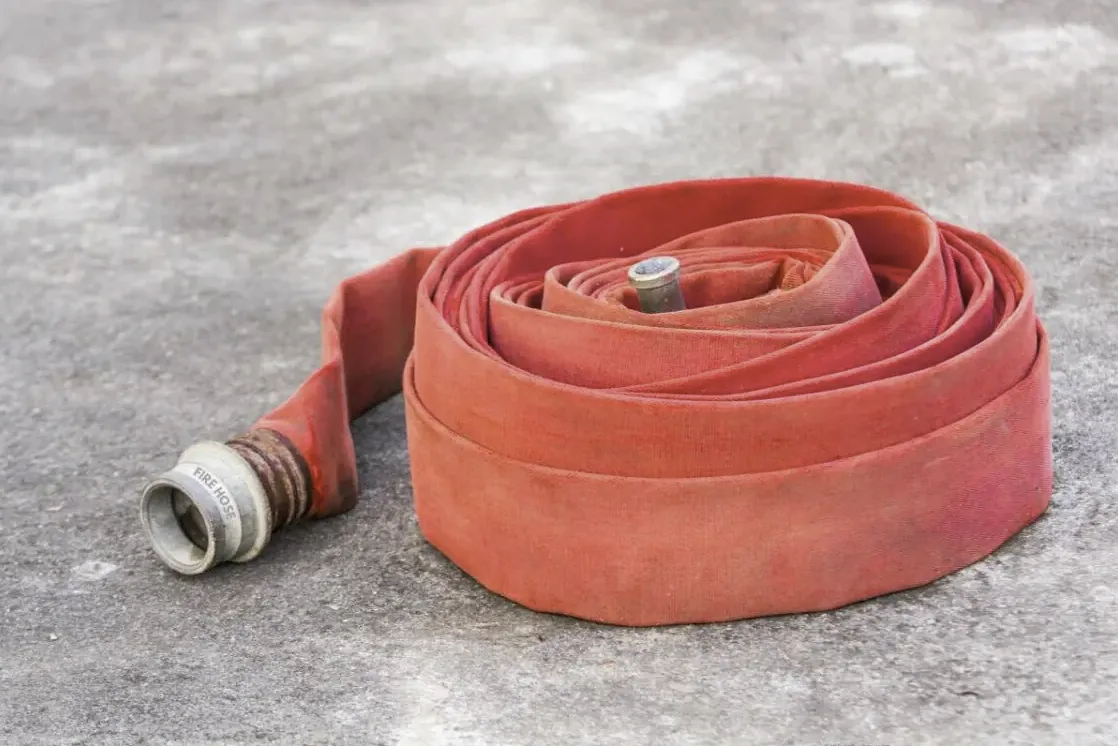
Standard Fire Hose Sizes and Pressure Range
Diameter directly affects flow and handling force. Larger hose moves more water but becomes heavier under pressure.
| Hose Size | Typical Use | Relative Flow Capacity |
|---|---|---|
|
1.5 in |
Light attack line |
Moderate |
|
1.75 in |
Common structural attack |
High |
|
2.5 in |
Heavy attack / standpipe |
Very High |
|
4–6 in |
Water supply line |
Maximum |
NFPA references show many attack hoses are designed for operating pressures up to roughly 275 psi depending on model and certification class. Always follow manufacturer ratings rather than generic pressure assumptions.
For higher-demand municipal systems, large diameter fire hose options are used to improve supply efficiency.
Why Friction Loss Matters in Fire Hose Performance
As water travels through a hose, the hose wall and turbulence reduce pressure. This pressure reduction is called friction loss. Longer hose lays, smaller diameters, rougher liners, and higher flow rates all increase friction loss.
The U.S. Occupational Safety and Health Administration (OSHA) emphasizes safe hose handling because uncontrolled pressure can create dangerous reaction force. Reducing friction loss helps maintain nozzle performance without excessive pump discharge pressure.
Ways to reduce friction loss
Use larger hose diameter
Shorten hose layout distance
Use smooth interior lining
Remove sharp bends or kinks
Match nozzle flow to hose size
Materials Used in Modern Fire Hose
Modern hose manufacturing focuses on durability, flexibility, and chemical resistance.
| Material | Key Benefit | Common Use |
|---|---|---|
|
Polyester Jacket |
Abrasion resistance |
Structural hose |
|
Rubber Liner |
Heat and water sealing |
Attack hose |
|
TPU Liner |
Lightweight and smooth bore |
Forestry / layflat |
|
Brass Couplings |
Corrosion resistance |
Marine / industrial |
Buyers often source industrial fire hose equipment where chemical exposure, UV resistance, or marine salt exposure is a concern.
Inspection, Testing, and Maintenance of Fire Hose
A fire hose must be inspected after use and tested on schedule. Moisture trapped inside a hose can damage liners and promote mildew. Damaged couplings may fail under pressure.
Recommended maintenance practices
Drain and dry after operation
Inspect jacket cuts and abrasion
Check gasket condition
Hydrostatically test per local code
Store away from sunlight and chemicals
The U.S. Fire Administration regularly stresses preventive equipment maintenance because hose reliability directly affects emergency response success.
Facilities replacing aging lines often evaluate certified fire hose replacement products with updated pressure ratings.
How to Choose the Right Fire Hose
Selection should be based on measurable operating needs, not price alone.
Use these criteria
Required flow rate (GPM or LPM)
Hose diameter and length
Working pressure rating
Coupling thread standard
Temperature and chemical exposure
Weight and deployment speed
Compliance certification
For commercial buildings, a compact fire hose cabinet system may be more suitable than loose hose storage.
FAQ
1. What is the difference between a fire hose and a normal water hose?
A fire hose uses reinforced jackets, pressure-rated liners, and metal couplings for high-pressure emergency flow. A normal water hose is designed for low-pressure domestic use and is not suitable for firefighting temperatures or operating loads.
2. How much pressure can a fire hose handle?
Pressure capacity depends on certification, size, and construction. Many attack hoses are rated for high operating pressures, while supply hoses may use different ratings. Always use the manufacturer’s marked service pressure and local code requirements.
3. Why are some fire hoses larger than others?
Larger fire hoses reduce friction loss and move more water over long distances. Smaller hoses are easier to maneuver in buildings. Diameter selection balances flow demand, hose weight, and handling speed.
4. How often should a fire hose be tested?
Testing frequency depends on local regulations, industry standards, and service conditions. Annual visual inspection plus scheduled pressure testing is common practice, especially for municipal and industrial emergency equipment.
5. Can a damaged fire hose still be used?
Minor cosmetic wear may be acceptable after inspection, but cuts, blistering, leaking liners, or damaged couplings can cause failure under pressure. Any questionable hose should be removed from service until tested or repaired.