
In the dynamic landscape of industrial operations, fire safety is not merely a regulatory checkbox but a critical component of operational resilience and asset protection. As we move into 2026, the demands for robust fire safety compliance 2026 are escalating, driven by evolving technologies, stricter regulations, and the increasing complexity of industrial environments. A cornerstone of any effective fire safety strategy is the judicious selection and deployment of industrial fire extinguishers. But with a myriad of types available, how can facility managers ensure they possess the optimal arsenal to combat diverse fire hazards?
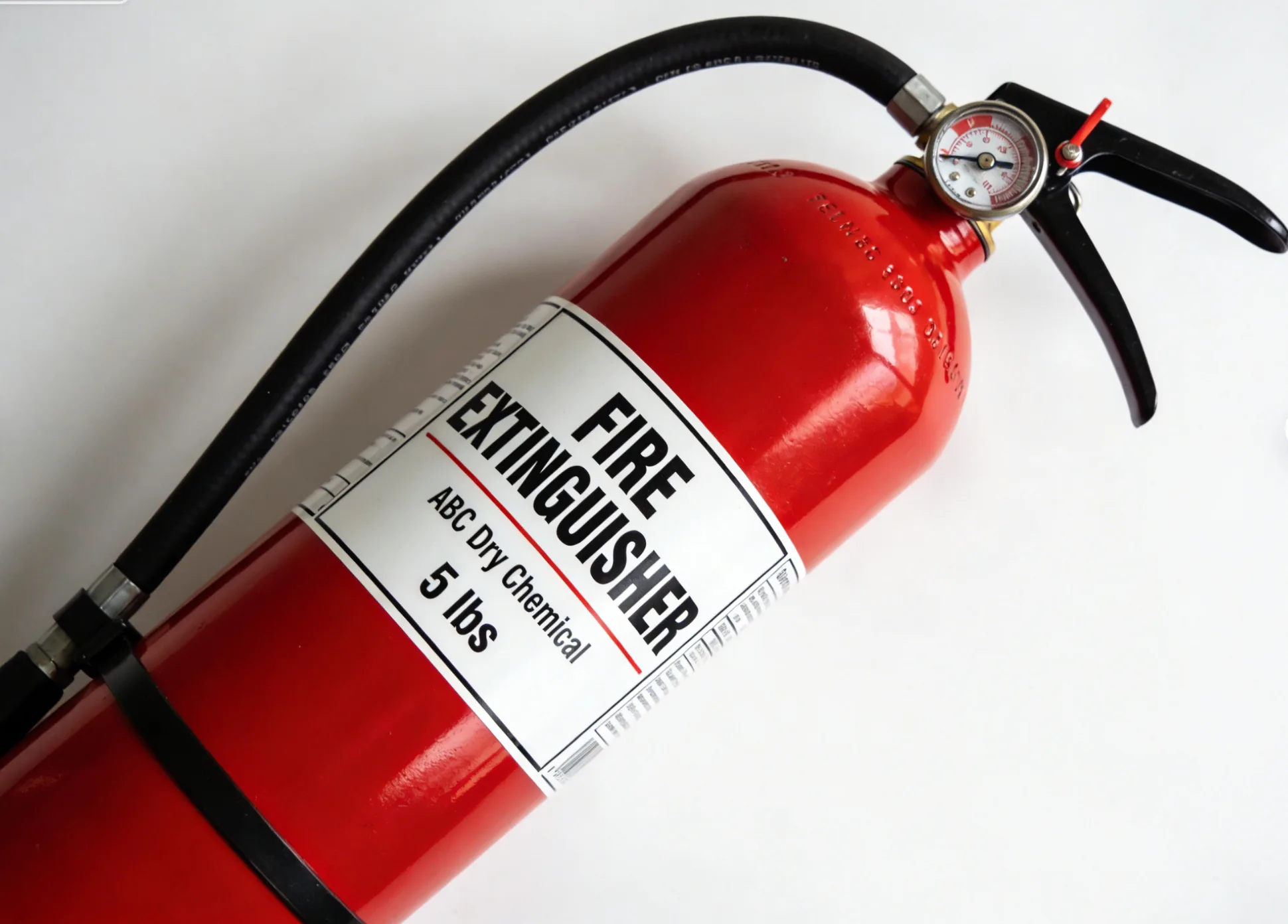
This comprehensive guide aims to demystify the selection process, highlighting the essential fire extinguisher types that every industrial facility should consider in 2026. We will explore their applications, delve into critical compliance aspects, and provide insights into maintaining these life-saving devices. Our objective is to empower you with the knowledge to safeguard your facility, personnel, and investments effectively.
Understanding Fire Classes: Why Different Fire Extinguisher Types Matter?
Before delving into specific extinguisher types, it’s imperative to understand the classification of fires. Different combustible materials require distinct extinguishing agents, making a one-size-fits-all approach to fire extinguishers ineffective and potentially dangerous. The National Fire Protection Association (NFPA) categorizes fires into five main classes [1]:
- Class A: Ordinary combustibles like wood, paper, cloth, rubber, and plastics.
- Class B: Flammable liquids and gases such as gasoline, oil, propane, and solvents.
- Class C: Energized electrical equipment. Once the power is de-energized, a Class C fire becomes a Class A or B fire.
- Class D: Combustible metals like magnesium, titanium, zirconium, sodium, and potassium.
- Class K: Combustible cooking oils and fats (e.g., vegetable oils, animal fats) typically found in commercial kitchens.
Each fire extinguisher type is designed to combat one or more of these classes effectively. Misapplying an extinguisher can spread the fire, cause injury, or lead to electrical shock.
The Top 10 Fire Extinguisher Types for Industrial Facilities in 2026
To achieve comprehensive industrial fire extinguisher coverage, a facility should strategically deploy a combination of the following types:
1. Water Extinguishers (Class A)
- Description: These extinguishers use plain water to cool the burning material, reducing its temperature below the ignition point. They are effective on Class A fires only.
- Industrial Application: Ideal for offices, storage areas with paper/wood, and general manufacturing zones where Class A combustibles are present.
2. Foam Extinguishers (Class A & B)
- Description: Foam extinguishers create a blanket over the burning liquid, cutting off the oxygen supply and cooling the fuel. They are suitable for Class A and B fires.
- Industrial Application: Excellent for areas storing flammable liquids, such as chemical processing plants, paint shops, and fuel storage facilities. Understanding foam and water fire extinguisher differences is crucial here.
3. Dry Chemical (ABC) Extinguishers (Class A, B, & C)
- Description: These are multi-purpose extinguishers containing monoammonium phosphate, which interrupts the chemical reaction of the fire. They are the most common type and effective on Class A, B, and C fires.
- Industrial Application: Versatile for almost any industrial setting, including workshops, warehouses, and electrical rooms (as long as the equipment is de-energized). Many facilities rely on a trusted dry chemical powder fire extinguisher supplier for these.
4. Dry Chemical (BC) Extinguishers (Class B & C)
- Description: Containing sodium bicarbonate, these extinguishers are effective on Class B and C fires by smothering the flames and interrupting the chemical reaction.
- Industrial Application: Suitable for areas with flammable liquids and energized electrical equipment, such as server rooms, control panels, and machinery with hydraulic systems.
5. Carbon Dioxide (CO2) Extinguishers (Class B & C)
- Description: CO2 fire extinguisher for electrical fires works by displacing oxygen and cooling the fire. They leave no residue, making them ideal for sensitive equipment.
- Industrial Application: Essential for data centers, server rooms, electrical substations, and laboratories where delicate machinery could be damaged by other extinguishing agents.
6. Clean Agent Extinguishers (Class B & C, sometimes A)
- Description: These use agents like Halotron I or FM-200, which are electrically non-conductive and leave no residue. They extinguish fires by interrupting the chemical reaction and cooling.
- Industrial Application: Similar to CO2, but often preferred for very sensitive electronic equipment, telecommunications facilities, and clean rooms due to their non-damaging nature.
7. Dry Powder Extinguishers (Class D)
- Description: Specifically designed for Class D fires involving combustible metals. They work by smothering the fire and absorbing heat.
- Industrial Application: Mandatory in facilities that handle or process combustible metals, such as machining shops, foundries, and laboratories working with reactive metals.
8. Wet Chemical Extinguishers (Class K)
- Description: These contain a potassium acetate-based agent that creates a foam blanket and cools the burning oils. They are specifically for Class K fires.
- Industrial Application: Critical for commercial kitchens, food processing plants, and any industrial setting with deep fat fryers or large quantities of cooking oils.
9. Cartridge-Operated Extinguishers (Various Classes)
- Description: Unlike stored-pressure extinguishers, these use a separate cartridge of compressed gas to expel the extinguishing agent. They are often found in larger sizes.
- Industrial Application: Common in heavy industrial settings, mining, and construction sites where robust and easily rechargeable units are preferred.
10. Wheeled Extinguishers (Various Classes)
- Description: Larger versions of portable extinguishers mounted on wheels, designed for significant fire hazards where a higher volume of extinguishing agent is required.
- Industrial Application: Ideal for large warehouses, aircraft hangars, fuel depots, and areas with high-risk processes that demand substantial immediate response capability.
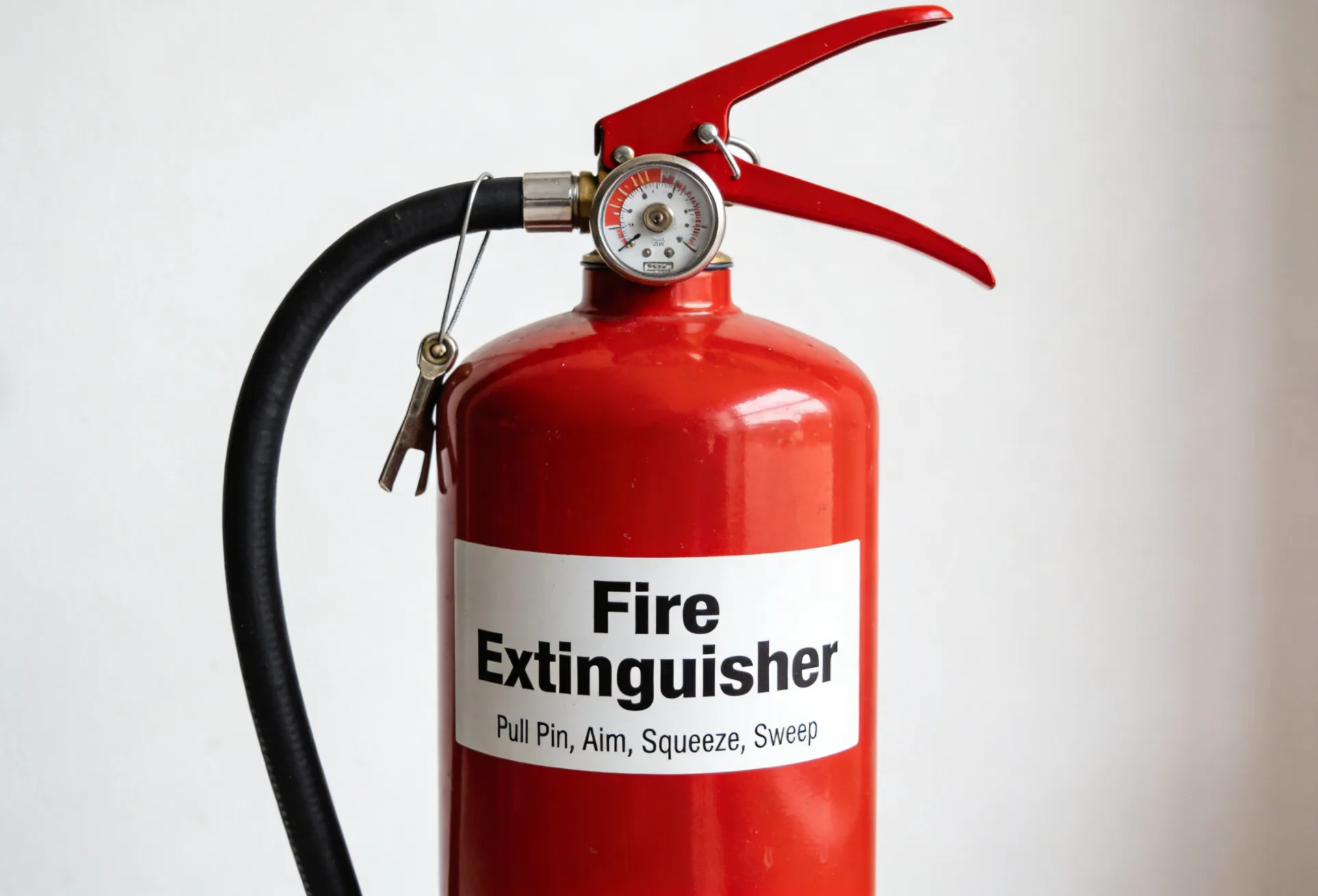
Fire Safety Compliance 2026: Navigating Regulations and Standards
Staying abreast of fire safety compliance 2026 is paramount for industrial facilities. Regulations can vary significantly by region and industry, but common guiding principles are established by international bodies. Key standards and organizations include:
- NFPA (National Fire Protection Association): Provides a vast array of codes and standards, such as NFPA 10, the Standard for Portable Fire Extinguishers, which dictates selection, installation, inspection, maintenance, and testing [2].
- OSHA (Occupational Safety and Health Administration): In the United States, OSHA regulations (e.g., 29 CFR 1910.157) mandate employer responsibilities regarding portable fire extinguishers.
- ISO (International Organization for Standardization): ISO standards, such as ISO 7165, provide international guidelines for portable fire extinguishers.
- Local Fire Codes: Always consult local fire departments and authorities having jurisdiction (AHJ) for specific regional requirements.
Regular audits and adherence to these standards are crucial. Facilities should have a robust industrial fire safety equipment checklist to ensure all extinguishers are correctly located, accessible, charged, and inspected.
Installation, Inspection, and Maintenance: The Lifeline of Your Extinguishers
The effectiveness of an industrial fire extinguisher hinges not only on its type but also on its proper installation, regular inspection, and diligent maintenance. Neglecting these aspects can render even the most advanced extinguisher useless in an emergency.
Installation Guidelines
- Visibility and Accessibility: Extinguishers must be clearly visible and easily accessible, without obstructions. They should be mounted on hangers or in cabinets, with the top of the extinguisher not more than 5 feet (1.5 meters) from the floor for units weighing up to 40 pounds (18.1 kg), and 3.5 feet (1.07 meters) for heavier units [2].
- Appropriate Location: Place extinguishers near potential fire hazards, exit routes, and in areas where they are readily available to trained personnel.
- Signage: Clear signage indicating the location and type of extinguisher is essential, especially in large industrial spaces.
Inspection and Maintenance Protocols
Regular inspection and maintenance are non-negotiable. The NFPA 10 standard outlines specific requirements:
- Monthly Visual Inspections: Conducted by facility personnel, these checks ensure the extinguisher is in its designated place, accessible, fully charged (gauge in the green), and free from obvious damage or tampering.
- Annual Maintenance: Performed by a certified fire protection technician, this involves a thorough examination of all parts, including the cylinder, valve, hose, and nozzle. It also includes weighing the extinguisher to check for loss of agent and verifying the pressure. Any necessary repairs or fire extinguisher valve replacement parts are addressed at this stage.
- Hydrostatic Testing: Periodically, extinguishers must undergo hydrostatic testing to ensure the cylinder can safely withstand its operating pressure. The frequency varies by extinguisher type, typically every 5 or 12 years [2].
Comparative Analysis: Key Considerations for Industrial Fire Extinguisher Selection
Choosing the right mix of fire extinguisher types involves a careful assessment of your facility’s specific risks. Here’s a comparative overview of factors to consider:
| Feature / Type | Water | Foam | Dry Chemical (ABC) | CO2 | Wet Chemical | Dry Powder |
|---|---|---|---|---|---|---|
| Fire Classes | A | A, B | A, B, C | B, C | K | D |
| Residue | Yes | Yes | Yes | No | Yes | Yes |
| Electrical Safe | No | No | Yes | Yes | No | No |
| Sensitive Equipment | No | No | No | Yes | No | No |
| Cooling Effect | High | Med | Low | High | High | Low |
| Smothering Effect | No | High | High | High | High | High |
| Recharge Cost | Low | Med | Med | Med | Med | High |
The Economic Impact of Proactive Fire Extinguisher Management
Investing in high-quality industrial fire extinguishers and their diligent maintenance is a proactive economic decision. The costs associated with fire damage far outweigh the expense of a robust fire safety program. By partnering with a reliable dry chemical powder fire extinguisher supplier or a comprehensive fire safety equipment provider, facilities can:
- Minimize Downtime: Rapid fire suppression prevents minor incidents from becoming major disruptions.
- Reduce Insurance Premiums: Insurers often offer lower premiums to facilities with exemplary fire safety records.
- Protect Assets: Safeguarding machinery, inventory, and infrastructure from fire damage.
- Ensure Business Continuity: Preventing catastrophic fires allows operations to resume quickly.
Conclusion: A Strategic Approach to Industrial Fire Extinguisher Selection
Selecting the right industrial fire extinguisher types and implementing a rigorous maintenance program are indispensable for fire safety compliance 2026 and beyond. By understanding fire classes, the capabilities of various extinguishers, and adhering to international standards, industrial facilities can build an effective defense against fire hazards.
Partnering with experienced manufacturers and suppliers, such as Zhejiang World Fire Fighting Equipment Co., Ltd. , who offer a wide array of fire extinguisher valve replacement parts and complete units, is key to securing reliable and compliant fire safety solutions. Remember, proactive fire safety is not an expense; it’s an investment in the future of your industrial operations.
Frequently Asked Questions (FAQs) about Industrial Fire Extinguishers
What are the 5 main types of fire extinguishers and their uses?
The five main types are Water (Class A), Foam (Class A & B), Dry Chemical (ABC for A, B, C fires; BC for B, C fires), CO2 (Class B & C, especially electrical), and Wet Chemical (Class K, for cooking oils).
How often should industrial fire extinguishers be inspected and serviced?
Industrial fire extinguishers require monthly visual inspections by facility personnel and annual maintenance by a certified technician. Additionally, hydrostatic testing is required periodically, typically every 5 or 12 years.
Can a single fire extinguisher type protect against all fire classes?
No, no single fire extinguisher type is effective against all fire classes. While ABC dry chemical extinguishers are versatile, they are not suitable for Class D or Class K fires.
What are the 2026 fire safety standards for industrial facilities?
Fire safety compliance 2026 is governed by international standards (e.g., NFPA 10, ISO 7165), national regulations (e.g., OSHA in the US), and local fire codes.
How to choose a fire extinguisher for a factory with diverse hazards?
Choosing a fire extinguisher requires a thorough fire risk assessment to identify all potential fire classes present. Based on this, a strategic mix of appropriate extinguisher types should be deployed.