UL/FM and LPCB certifications provide the highest assurance in fire safety. These certifications confirm that fire fighting equipment, including UL listed fire equipment and LPCB certified fire products, meets rigorous performance standards. They play a crucial role in fire safety compliance and are essential for ensuring that fire protection system certification aligns with safety regulations and insurance requirements. Additionally, FM approved fire valves are integral components that contribute to the overall effectiveness of fire fighting equipment.
Key Takeaways
- UL/FM and LPCB certifications ensure fire fighting equipment meets strict performance standards, enhancing safety and reliability.
- Investing in certified equipment can lower insurance premiums by demonstrating reduced risk and improved safety measures.
- Regular maintenance of certified fire fighting systems is essential for optimal performance and longevity, ensuring effective operation during emergencies.
Stringent Quality Standards
Performance Testing
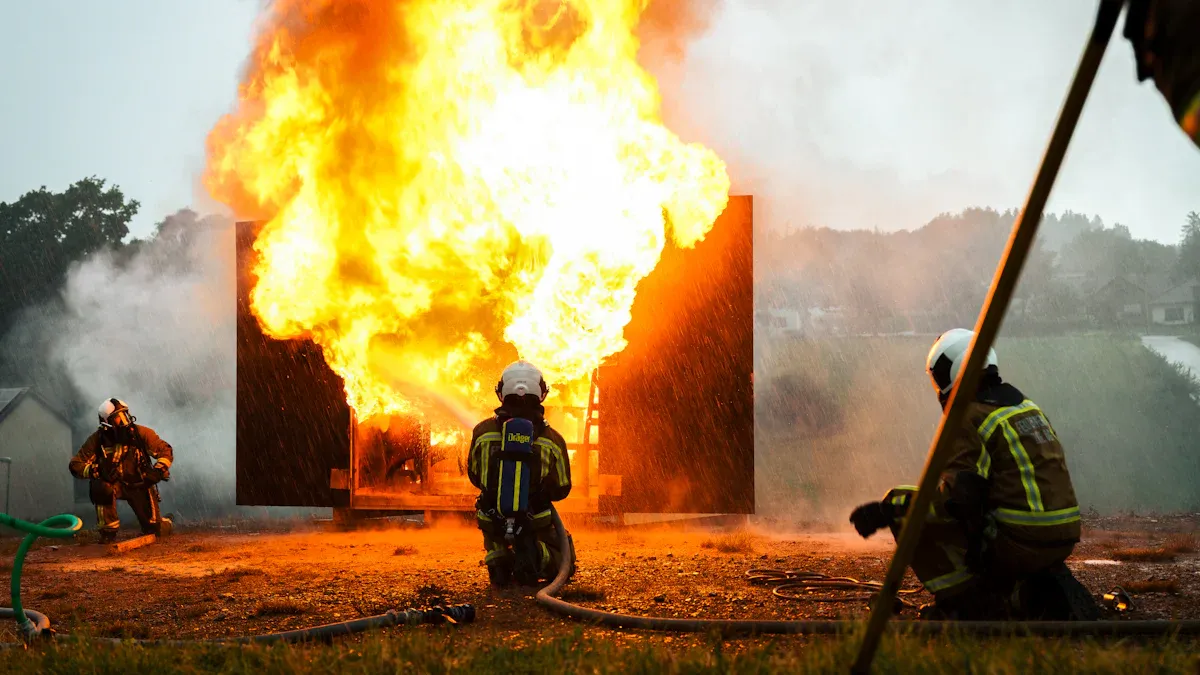
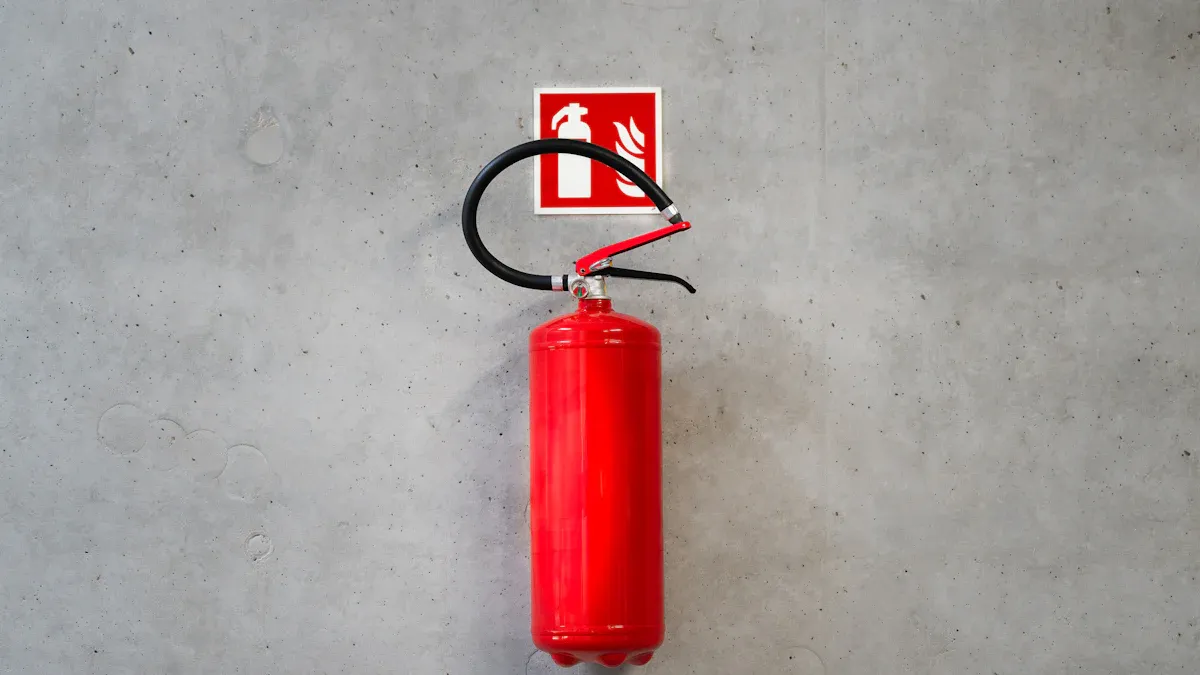
UL/FM and LPCB certifications require extensive performance testing to ensure that fire fighting equipment operates effectively under various conditions. These tests evaluate how well the equipment can withstand extreme temperatures, pressure fluctuations, and other challenging scenarios. The rigorous testing process includes:
- Hydraulic Testing: This assesses the equipment’s ability to handle water pressure without failure.
- Fire Resistance Testing: Equipment undergoes exposure to high temperatures to determine its durability and functionality during a fire.
- Operational Testing: This ensures that all components work together seamlessly when activated.
These performance tests provide assurance that certified products will perform reliably in emergencies, ultimately saving lives and property.
Material and Design Requirements
The materials and design of fire fighting equipment play a crucial role in its effectiveness and longevity. UL/FM and LPCB certifications impose strict requirements to ensure that all components meet high standards. The following table outlines key material and design requirements for certified products:
| Requirement | Description |
|---|---|
| Listings Required | Any product impacting a sprinkler system’s ability to control fires must be listed. |
| Material Requirements | All materials essential to system operation must be listed unless specific exceptions apply. |
| Valve Components | Valve components are not required to be individually listed. |
| Nonmetallic Pipe | Nonmetallic pipes must be listed for use in sprinkler systems. |
| Aboveground Pipes | Must meet specific standards or be listed; exceptions apply for certain materials. |
| Grooved Couplings | Must be listed when used with dry pipe systems due to increased degradation risk. |
For instance, BlazeMaster® fire fighting pipes utilize FM Approved materials designed specifically for exposed aboveground wet pipe systems. These materials ensure reliability in light hazard occupancy sprinkler systems. Additionally, fire landing valves incorporate safety mechanisms that comply with international fire safety standards. These mechanisms enhance the durability of fire fighting equipment by ensuring reliable operation under high-pressure conditions.
By adhering to these stringent material and design requirements, manufacturers can produce fire fighting equipment that not only meets regulatory standards but also provides enhanced safety and reliability.
Compliance with Regulations
National and International Standards
UL/FM and LPCB certifications align closely with both national and international fire safety standards. These certifications ensure that fire fighting equipment meets the necessary requirements for safety and performance. Various organizations develop these standards, which serve as benchmarks for compliance. The following table outlines key standards that reference or require UL/FM or LPCB certifications:
| Standard | Description |
|---|---|
| National Fire Protection Association (NFPA) | A key organization that develops fire safety standards. |
| Factory Mutual (FM) | Provides property loss prevention standards. |
| Loss Prevention Certification Board (LPCB) | Certifies products for fire safety compliance. |
These standards help manufacturers and consumers understand the level of safety and reliability they can expect from certified products. Compliance with these standards not only enhances safety but also facilitates smoother regulatory approvals across different regions.
Impact on Building Codes
Changes in building codes significantly influence the demand for UL/FM and LPCB certified products. Stricter fire codes often lead to increased specification of certified fire fighting equipment in construction projects. The following points highlight how building codes impact the market for these products:
- Changes in building codes lead to higher demand for UL/FM and LPCB certified products due to their compliance with safety standards.
- Stricter fire codes result in increased specification of certified products in construction projects.
- EMACO’s products are designed to meet both local and international standards, enhancing their market appeal.
As building codes evolve, they often require the use of certified equipment to ensure safety and compliance. This trend underscores the importance of UL/FM and LPCB certifications in meeting regulatory demands and enhancing fire safety in various environments.
Global Recognition and Trust
Industry Acceptance
UL/FM and LPCB certifications enjoy widespread recognition among fire safety professionals globally. These certifications signify that fire fighting equipment has undergone rigorous testing and verification. As a result, they foster trust among users. The International Fire Safety Association (IFSA) emphasizes the importance of product certification from reputable testing bodies. They warn that without proper certification, the market risks being flooded with substandard equipment, which undermines safety.
- Certifications like UL, FM, and LPCB reflect extensive testing and verification of fire protection products.
- These certifications are crucial for industries handling hazardous materials, ensuring reliable performance under demanding conditions.
- Compliance with these certifications demonstrates a commitment to safety, enhancing trust among users.
Influence on Insurance Policies
Insurance companies assess risk differently for properties equipped with UL/FM or LPCB certified fire safety systems. Properties with these certifications receive favorable evaluations, leading to lower risk assessments. Certified systems effectively prevent major fire losses, a critical factor for insurers. Engaging with brokers and insurers early in the process helps businesses select appropriate fire protection solutions that meet recognized standards. This proactive approach positively impacts insurance premiums and risk ratings.
- Properties with UL/FM or LPCB certified systems are viewed more favorably by insurers.
- Certified systems help prevent major fire losses, which is crucial for insurance evaluations.
- Buildings utilizing UL-certified fire safety equipment can receive lower insurance premiums due to the high level of protection offered.
By investing in certified fire fighting equipment, businesses not only enhance safety but also improve their insurance standing, ultimately leading to cost savings.
Enhanced Safety and Reliability
Risk Mitigation
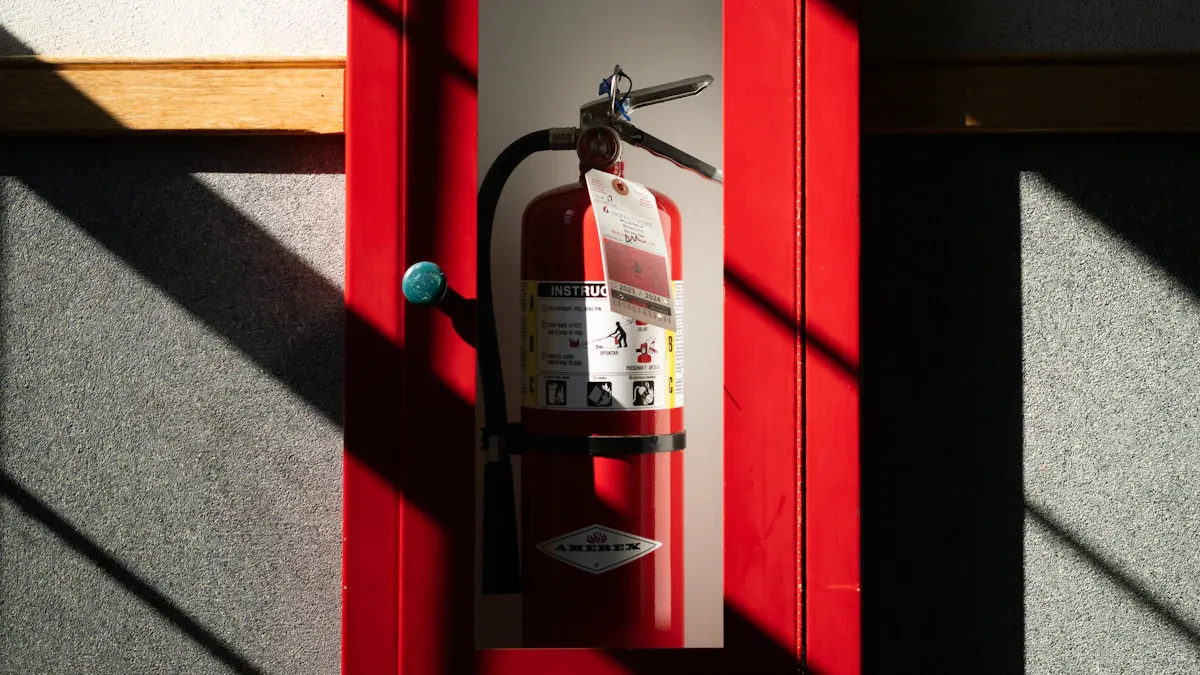
UL/FM and LPCB certifications significantly enhance risk mitigation strategies for fire safety systems. These certifications ensure that fire fighting equipment meets stringent quality standards, which directly impacts safety outcomes. For instance, the National Fire Protection Association (NFPA) reports over 35,000 fires in industrial settings annually, resulting in approximately $1.2 billion in property damages. Certified systems help reduce these risks by ensuring reliable performance during emergencies.
The following table illustrates the contributions of UL/FM and LPCB certifications to reliability:
| Aspect | Contribution to Reliability |
|---|---|
| Stringent Quality Standards | Ensures fire pumps meet strict performance and safety standards for emergency operation. |
| Compliance with Regulations | Guarantees adherence to fire safety regulations, reducing non-compliance risks. |
| Global Recognition | Facilitates approvals and inspections for international installations. |
| Enhanced Safety and Reliability | Tested for durability and performance, ensuring effective operation during emergencies. |
Maintenance and Support
Regular maintenance is crucial for the longevity and effectiveness of fire fighting equipment. UL/FM and LPCB certified systems come with recommended maintenance protocols that ensure optimal performance. The following table outlines essential maintenance tasks:
| Maintenance Task | Description |
|---|---|
| Inspect fire landing valves | At least once a month to identify potential issues. |
| Comprehensive inspection | Conduct at least once a year, including testing pressure and flow rates. |
| Cleaning procedures | Regular cleaning and lubrication to maintain functionality and longevity. |
By adhering to these maintenance protocols, businesses can ensure that their fire fighting equipment remains reliable and effective. This proactive approach not only enhances safety but also minimizes long-term costs associated with repairs and replacements.
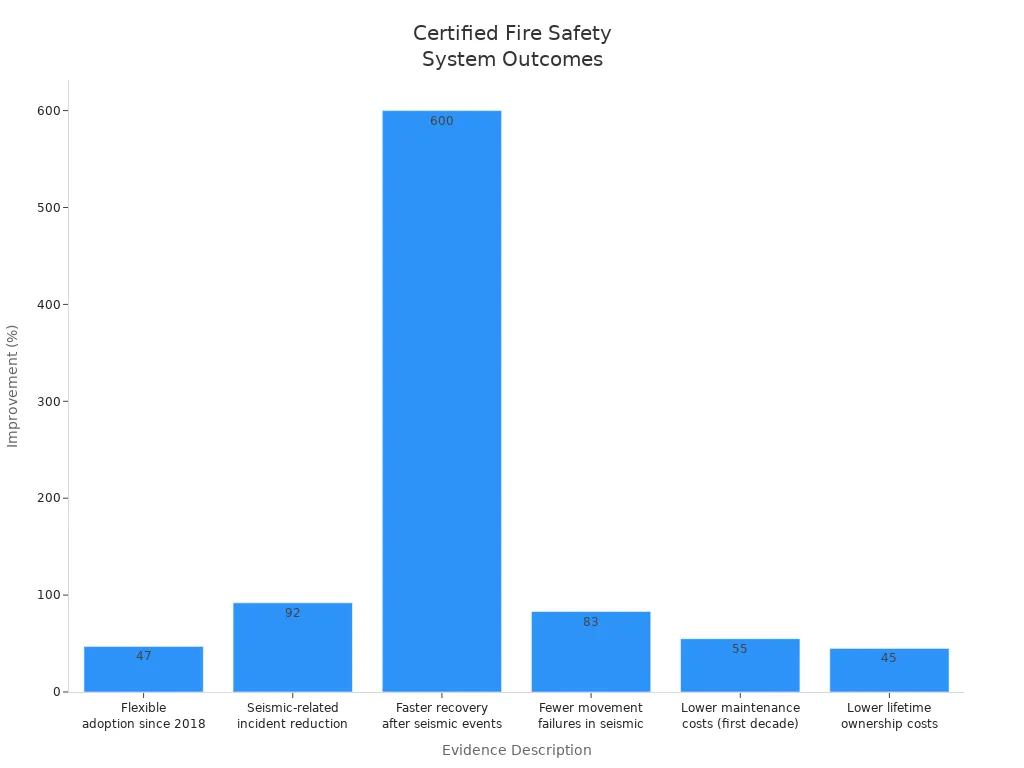
UL/FM and LPCB certifications play a vital role in ensuring the highest level of fire safety. They provide peace of mind for consumers and businesses alike. These certifications guarantee that fire fighting equipment meets rigorous standards. As a result, organizations can implement effective fire prevention strategies and comply with regulations. Investing in certified equipment enhances safety and reliability.
FAQ
What does UL/FM certification guarantee?
UL/FM certification guarantees that fire fighting equipment meets rigorous performance and safety standards, ensuring reliability during emergencies.
Why is LPCB certification important?
LPCB certification is crucial as it verifies that fire safety products comply with strict quality and performance benchmarks, enhancing overall safety.
How can certified equipment affect insurance premiums?
Certified fire fighting equipment can lower insurance premiums by demonstrating reduced risk and improved safety measures, benefiting property owners.