
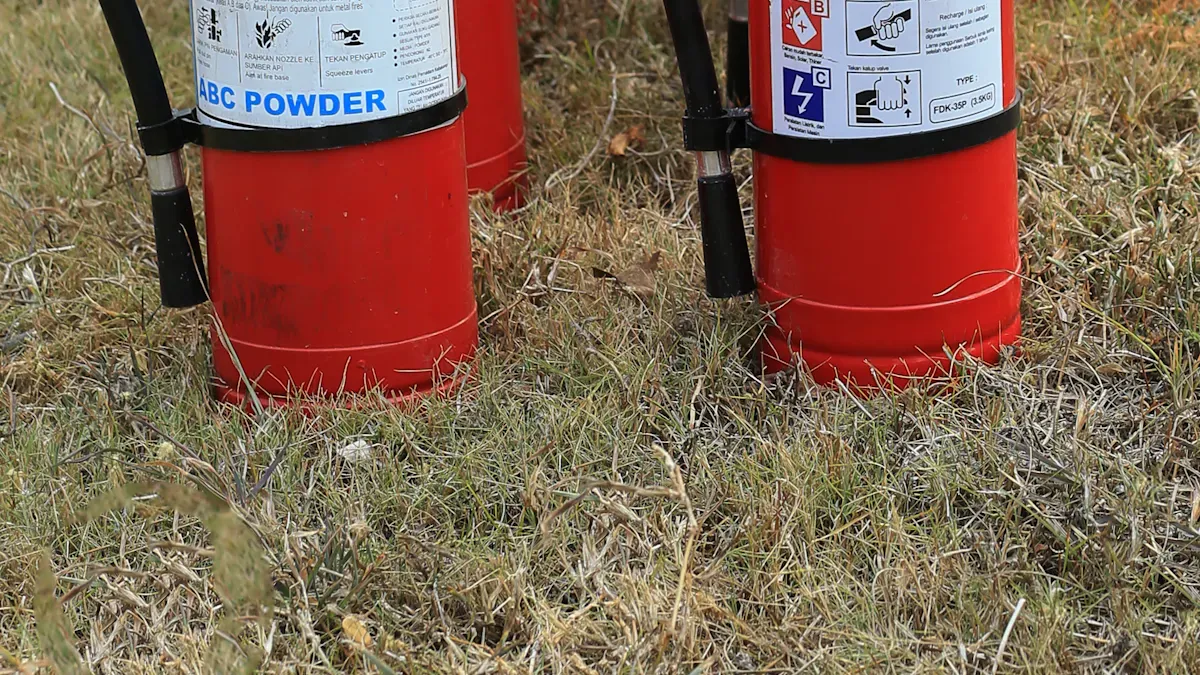
Choosing the right fire extinguisher matters greatly for safety. Using the wrong type can cause serious issues such as re-ignition, spread of burning material, explosion risks, or toxic fumes:
| Consequence | Description |
|---|---|
| Re-ignition | Some agents do not cool the burning material sufficiently, so the fire restarts. |
| Spread of burning material | Applying the wrong stream can push burning liquids or embers into new areas. |
| Explosion risk | Certain extinguishing agents react violently with particular chemicals or metals. |
| Toxic fumes | Wrong formulations may generate hazardous gases when they contact certain materials. |
Proper fire fighting equipment selection depends on the fire hazard type. For example, ABC dry powder fire extinguisher selection suits many common fires, while CO2 fire extinguisher application fits electrical fires. A car fire extinguisher choice must consider specific vehicle risks. Size, accessibility, and maintenance also influence safety.
Key Takeaways
- Choosing the right fire extinguisher is crucial for safety. Using the wrong type can worsen a fire and increase risks.
- Understand fire classes: Class A for solids, Class B for liquids, Class C for electrical, Class D for metals, and Class K for cooking oils. This knowledge helps in selecting the right extinguisher.
- Regularly inspect and maintain fire extinguishers. Monthly checks and professional inspections ensure they work when needed.
Types of Fire Hazards

Understanding the different types of fire hazards is crucial for selecting the appropriate fire extinguisher. The National Fire Protection Association categorizes fire hazards into five main classes:
| Class | Description |
|---|---|
| Class A | Solid materials such as wood, paper, fabric, and some plastics |
| Class B | Liquids or gases such as alcohol, ether, gasoline, or grease |
| Class C | Electrical failures from appliances, electronic equipment, and wiring |
| Class D | Metallic substances such as sodium, titanium, zirconium, or magnesium |
| Class K | Grease or oil fires specifically from cooking |
Class A Fires
Class A fires involve solid materials. Common sources include wood, paper, cloth, rubber, and certain types of plastics. These materials ignite easily and can produce significant flames. When extinguishing Class A fires, water or foam fire extinguishers are typically effective.
Tip: Always ensure that the fire extinguisher used for Class A fires is rated for solid combustibles.
Class B Fires
Class B fires arise from flammable liquids and gases. Common ignition sources include gasoline, diesel, oil-based paints, and propane. These fires often occur in industrial settings, vehicle accidents, or fuel storage facilities. For Class B fires, use foam or dry chemical fire extinguishers to suppress the flames effectively.
- Common sources of Class B fires:
- Flammable liquids: gasoline, diesel, oil-based paints, petroleum greases
- Combustible gases: propane, butane, natural gas
Class C Fires
Class C fires involve electrical equipment. They can occur in environments with heavy electrical usage, such as data centers, construction sites, and older buildings with faulty wiring. These fires account for approximately 12% of fires in commercial buildings. For Class C fires, CO2 or dry chemical fire extinguishers are recommended to avoid electrical shock.
- Common electrical equipment involved in Class C fires:
- Facilities with heavy electrical equipment usage
- Data centers
- Space heaters
Class D Fires
Class D fires are less common but can be extremely dangerous. They involve combustible metals like magnesium, sodium, and potassium. Industries that handle these materials, such as specialized manufacturing and laboratories, face higher risks. Class D fires require specific extinguishing agents, as water can exacerbate the situation.
Note: Class D fires are particularly challenging to extinguish due to the unique properties of the metals involved.
Class K Fires
Class K fires occur in kitchens and involve cooking oils and fats. Common sources include deep fryers, grills, and open-flame cooking appliances. These fires require special extinguishing agents designed for grease fires, such as wet chemical fire extinguishers.
- Common cooking appliances involved in Class K fires:
- Deep fryers
- Grills
- Open-flame cooking appliances
Understanding these fire classes helps individuals and businesses select the right fire extinguisher for their specific needs. Proper selection can significantly enhance safety and reduce the risk of fire-related incidents.
Selecting the Right Fire Extinguisher
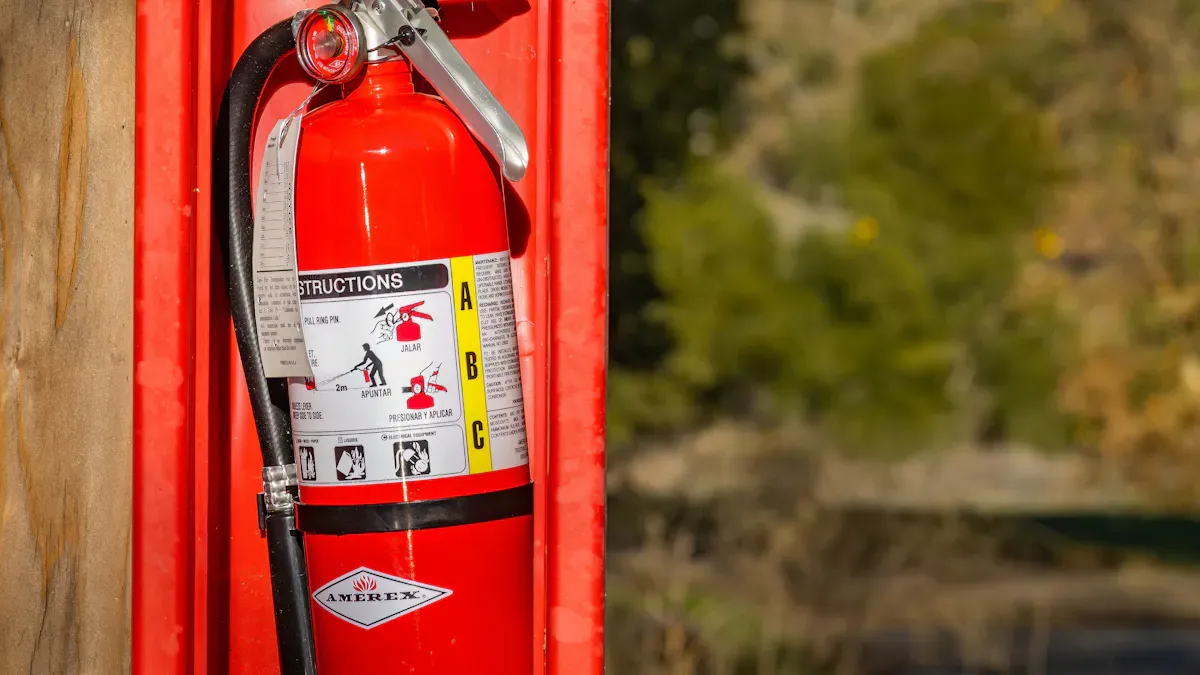
Choosing the right fire extinguisher involves understanding various factors that influence effectiveness and safety. This section outlines essential considerations for selecting the appropriate fire extinguisher for specific environments.
Understanding Fire Classifications
Fire extinguishers are categorized based on the types of fires they can effectively combat. Familiarity with these classifications helps individuals select the right extinguisher for their needs. The table below summarizes the key differences between fire extinguisher types and their suitable classifications:
| Fire Extinguisher Type | Suitable Fire Classifications | Key Considerations |
|---|---|---|
| ABC Dry Chemical | A, B, C | Cost-effective but may damage sensitive equipment due to residue. |
| Clean Agent | A, B, C | Ideal for environments with sensitive electronics, leaves no residue. |
| Water Mist | A | Effective for Class A fires, safe for sensitive equipment. |
| CO2 Extinguisher | B, C | Leaves no residue, suitable for electrical fires but not for Class A. |
Assessing Your Environment
The environment plays a crucial role in determining the type of fire extinguisher needed. Different locations have unique fire risks that dictate the appropriate extinguishers. For instance, an office with electronic devices requires Class C extinguishers, while a workshop with flammable liquids needs Class B extinguishers. The table below provides guidelines for extinguisher placement based on fire class:
| Fire Class | Description | Placement Guidelines |
|---|---|---|
| Class A | Combustible materials (wood, paper, cloth) | No more than 75 feet away; at least one 2:A extinguisher for every 3,000 sq ft in offices and assembly halls. |
| Class B | Flammable liquids and gases | Within 50 feet of potential hazards; sizes and numbers depend on flammability risks. |
| Class C | Energized electrical equipment | Extinguishers for Class A or B fires, placed based on hazard level. |
| Class D | Combustible metals | Within 75 feet of the hazard, as per NFPA standards. |
| Class K | Combustible cooking media | Within 30 feet of cooking equipment using oils and fats, following NFPA 10 guidelines. |
Considering Size and Accessibility
The size of the fire extinguisher is another critical factor. Homes typically require smaller extinguishers, while commercial spaces may need larger units. Multipurpose extinguishers labeled "B-C" or "A-B-C" are ideal for residential use due to their versatility. Accessibility is equally important; extinguishers must be easy to reach during emergencies. Proper placement prevents obstructions from furniture or storage, ensuring quick access.
Tip: Maintain a minimum 1-meter approach distance around extinguishers to ensure unobstructed access.
Maintenance and Inspection
Regular maintenance and inspection of fire extinguishers are vital for ensuring functionality. Different types of extinguishers have varying maintenance intervals. The table below outlines the recommended maintenance schedules:
| Type of Extinguisher | Maintenance Interval |
|---|---|
| CO2 Extinguisher | Every 5 years |
| Dry Chemical Extinguisher | Every 12 years |
| Wet Chemical Extinguisher | Every 5 years |
| Water Mist Extinguisher | Every 5 years |
| Water Extinguisher | Every 5 years |
| Foam Extinguisher | Every 5 years |
Regular checks ensure extinguishers remain in working order. Individuals should also conduct periodic accessibility tests to confirm that extinguishers can be accessed easily without complications.
Practical Tips for Fire Extinguisher Usage
How to Use a Fire Extinguisher
Using a fire extinguisher effectively can save lives and property. Follow the PASS technique for optimal results:
| Step | Description |
|---|---|
| Pull | Pull the safety pin to break the seal preventing discharge. |
| Aim | Aim the nozzle at the base of the fire for maximum effectiveness. |
| Squeeze | Squeeze the trigger to release the extinguishing agent. |
| Sweep | Sweep the nozzle back and forth across the fire’s base while moving closer as the fire diminishes. |
Fires cause approximately 3,800 civilian deaths and 14,700 injuries annually in the U.S. Many of these fatalities could be prevented with proper fire-response training. Training in the PASS technique enhances the ability to control small fires, reducing potential damage and injuries.
Common Mistakes to Avoid
Many individuals make critical errors when using fire extinguishers. Here are some common mistakes to avoid:
- Not having enough fire extinguishers in the workspace.
- Using the wrong type of fire extinguisher for the fire.
- Failing to perform regular inspections on extinguishers.
- Blocking or obstructing access to fire extinguishers.
- Inadequate employee training on extinguisher use.
Using the wrong type of fire extinguisher can worsen a fire and increase risk to people. Different fires require specific extinguishing agents, and incorrect extinguishers may cause burning materials to spread.
When to Call for Help
If a fire grows beyond control, evacuate immediately and call emergency services. Do not attempt to fight large fires. Recognize the signs that indicate it is time to seek help:
- The fire spreads rapidly or produces heavy smoke.
- You feel threatened or unsafe.
- You cannot extinguish the fire within a few moments.
Always prioritize safety over property. Knowing when to call for help can prevent injuries and save lives.
Choosing the right fire extinguisher is essential for effective fire safety. Regular assessments of personal or business fire safety needs can prevent disasters. Maintenance of fire extinguishers enhances their reliability, ensuring they function correctly during emergencies. This proactive approach can save lives and minimize property damage.
Tip: Regular checks help identify issues early, extending the lifespan of your fire extinguisher.
FAQ
What is the most common type of fire extinguisher for home use?
The ABC dry chemical extinguisher is the most common choice for homes. It effectively combats Class A, B, and C fires.
How often should fire extinguishers be inspected?
Fire extinguishers should undergo inspection at least once a month. Annual professional inspections are also recommended for optimal safety.
Can I use water on all types of fires?
No, water is ineffective and dangerous for Class B and Class D fires. Always use the appropriate extinguisher for each fire class.