
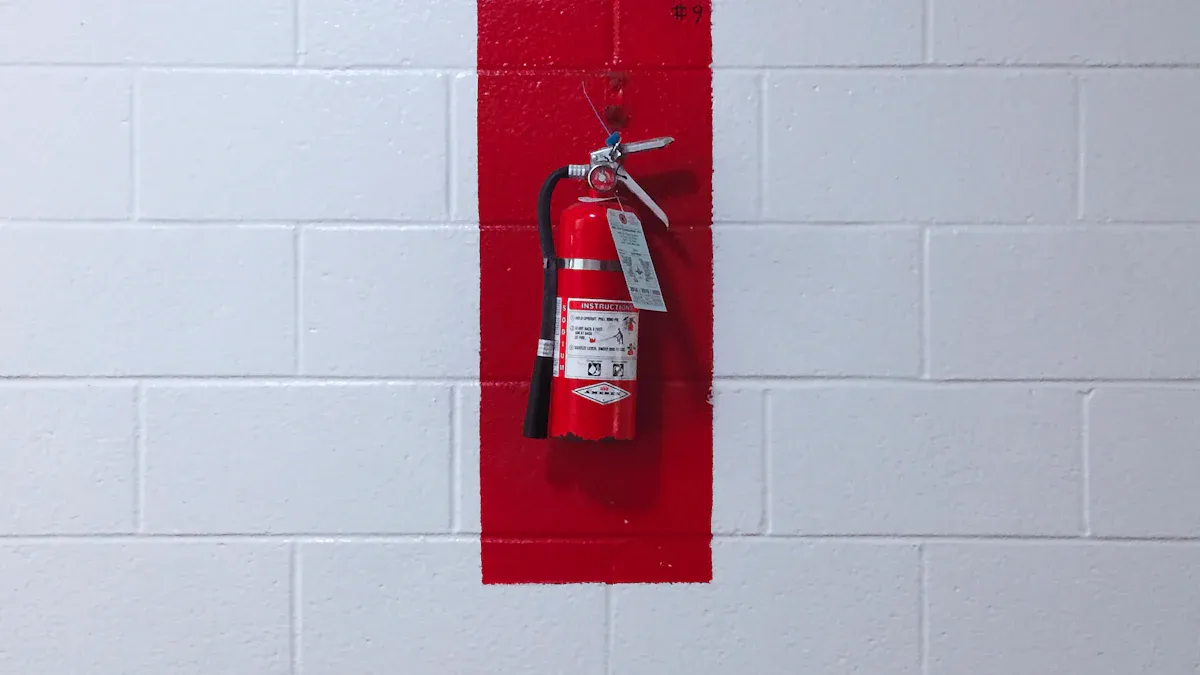
Fire safety equipment is essential for protecting lives and property in the workplace. Ensuring compliance with fire safety regulations is crucial for businesses to avoid legal issues. Additionally, having reliable fire protection systems and industrial fire protection equipment in place enhances workplace fire safety, while office fire safety equipment contributes to a safer environment. These measures can also improve insurance coverage and claims, supporting overall organizational stability and financial well-being.
Key Takeaways
- Fire safety equipment, like extinguishers and alarms, protects employees and assets, reducing injury risks and property damage.
- Compliance with fire safety regulations is crucial to avoid penalties and lower insurance costs, ensuring a safer workplace.
- Regular training and drills prepare employees for emergencies, enhancing their response skills and fostering a culture of safety.
Importance of Fire Safety Equipment in the Workplace
Protecting Employees and Assets
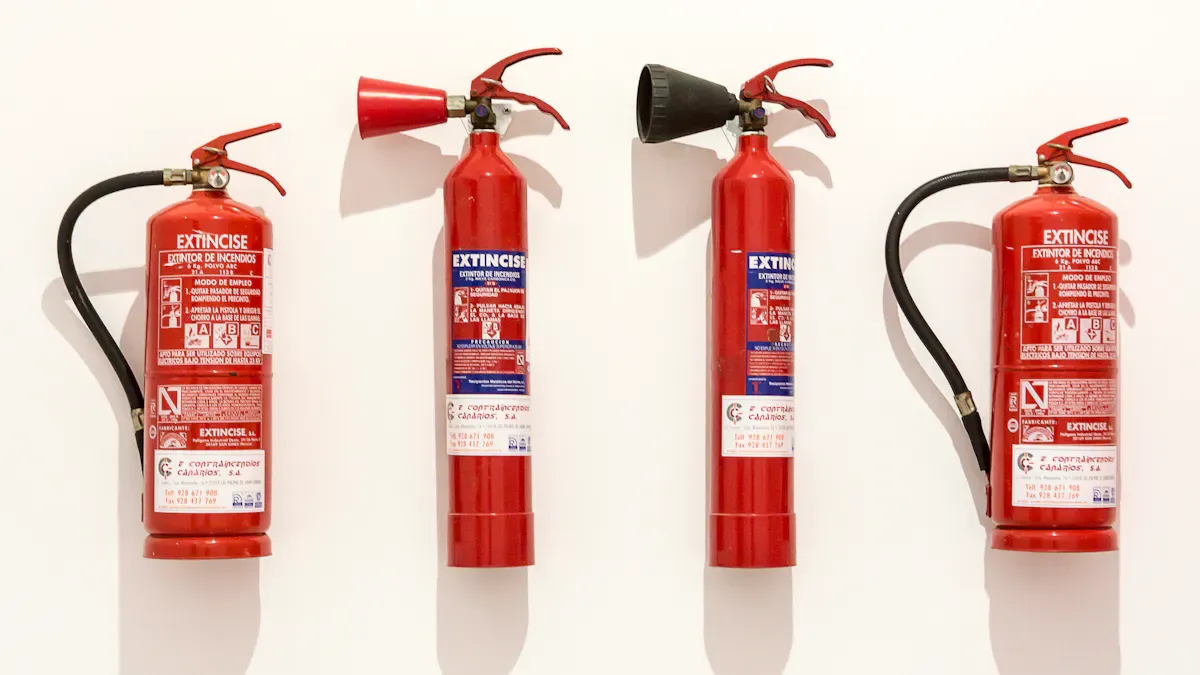
Fire safety equipment plays a vital role in safeguarding employees and protecting valuable assets within a workplace. Effective fire safety measures can significantly reduce the risk of injuries and property damage during fire incidents. For instance, the presence of fire extinguishers, smoke alarms, and sprinkler systems can provide immediate responses to potential fire hazards.
The following table outlines common types of fire safety equipment used in workplaces:
| Equipment Type | Description/Link |
|---|---|
| ABC/BC dry powder fire extinguisher | Link |
| Fire Hose | Link |
| Fire Hose Reel And Cabinet | Link |
| Fire Hydrant Valve | Link |
| Fire Nozzle | Link |
| Various sizes of dry powder extinguishers | 1KG, 2KG, 12KG and more. |
These tools not only help in controlling fires but also instill confidence among employees regarding their safety. When workers feel secure, their productivity often increases, benefiting the organization as a whole.
Legal Obligations and Standards
Businesses must adhere to various legal obligations and standards concerning fire safety equipment. Compliance with national fire codes is essential to avoid penalties and ensure the safety of all occupants. The National Fire Protection Association (NFPA) outlines several standards that businesses must follow, including:
| NFPA Standard | What It Covers |
|---|---|
| NFPA 13 | Automatic sprinkler systems |
| NFPA 14 | Standpipe systems |
| NFPA 72 | Fire alarm systems |
| NFPA 101 | Life safety requirements |
In addition to these standards, local fire departments play a crucial role in enforcing fire safety regulations. They conduct inspections, review building plans, and verify that fire safety equipment is installed correctly. Regular audits are also common, with businesses in certain areas required to undergo evaluations annually.
Understanding these legal requirements is vital for businesses, as non-compliance can lead to severe consequences, including fines and increased insurance premiums. By prioritizing fire safety equipment and adhering to regulations, organizations can create a safer environment for employees and minimize potential liabilities.
Risk Assessments and Fire Safety Equipment

Identifying Fire Hazards
Identifying fire hazards is a crucial step in ensuring workplace safety. Regular risk assessments help organizations pinpoint potential dangers that could lead to fire incidents. Common fire hazards include:
- Combustible materials such as wood, paper, and cloth
- Flammable liquids and gases like oil, gasoline, and propane
- Faulty electrical equipment and wiring
- Cluttered escape routes that obstruct evacuation
- Cooking oil and grease build-up in kitchens
- Sparks generated from welding and cutting activities
Organizations should conduct thorough inspections of their facilities to identify these hazards. For instance, a welding bay may present risks from sparks and gas cylinders, while a paint storage area may contain flammable liquids. By recognizing these threats, businesses can take proactive measures to mitigate risks.
Implementing Safety Protocols
Once hazards are identified, implementing effective safety protocols becomes essential. Organizations should adopt a comprehensive approach to fire safety, which includes:
| Protocol | Description |
|---|---|
| Fire Risk Assessment | Regularly evaluate hazards and manage fire risks through systematic assessments. |
| Good Housekeeping Practices | Maintain cleanliness, dispose of waste properly, and keep escape routes clear. |
| Electrical Safety | Regularly inspect wiring systems and use certified appliances to prevent electrical fires. |
| Proper Storage of Flammable Materials | Label chemicals clearly and store them away from ignition sources. |
| Hot Work Control | Implement permits for welding and ensure fire watch personnel are present. |
| Smoking Policy | Designate smoking areas away from potential hazards. |
| Fire Safety Equipment | Install and maintain fire extinguishers, alarms, and sprinklers. |
| Employee Training | Conduct regular drills and provide training on fire safety protocols. |
Regular fire risk assessments should occur at least annually, but the frequency may vary based on specific circumstances. For example, high-risk environments, such as factories or chemical plants, may require assessments every six months or even quarterly. Additionally, significant changes in the workplace, such as renovations or new machinery, necessitate immediate reassessment to ensure safety standards remain intact.
By implementing these protocols, organizations can create a safer environment for employees and minimize the likelihood of fire incidents. The integration of fire safety equipment, alongside these protocols, enhances overall workplace safety and compliance with regulations.
Emergency Response Protocols and Fire Safety Equipment
Training Employees
Training employees on fire safety equipment is essential for effective emergency response. When organizations provide comprehensive training, they equip their workforce with the knowledge and skills necessary to act swiftly during fire emergencies. Employees learn to recognize fire threats, operate fire suppression equipment, and follow evacuation procedures. This training enhances their preparedness and responsiveness, ultimately improving workplace safety.
Regular emergency drills play a crucial role in reinforcing this training. These drills improve reaction times and build confidence among employees. They also reduce panic and enhance decision-making under stress. Leadership must prioritize safety by participating in drills and allocating resources for training. This commitment reinforces the importance of employee well-being and fosters a culture of safety.
Regular Drills and Equipment Maintenance
Conducting regular fire drills is vital for maintaining workplace readiness. The frequency of these drills depends on the facility type. For example, high-risk facilities should conduct drills monthly or bi-monthly, while offices may only need annual or semi-annual drills. The following table outlines recommended drill frequencies based on facility types:
| Facility Type | Recommended Frequency |
|---|---|
| High-Risk Facilities | Monthly or bi-monthly drills |
| Healthcare Facilities | Quarterly drills per floor/unit |
| Educational Institutions | Monthly drills during school months |
| Offices and Retail Spaces | Annual or semi-annual drills |
In addition to drills, regular maintenance checks on fire safety equipment are crucial. Equipment such as fire alarms and extinguishers should undergo inspections every six months or quarterly. The table below summarizes the recommended maintenance frequency for various fire safety equipment:
| Equipment Type | Recommended Frequency |
|---|---|
| Fire alarm systems | Every 6 months or quarterly |
| Dry & wet risers | Bi-annually |
| Fire extinguishers | Bi-annually |
| Fire drills | Bi-annually |
| General fire inspections | Annually |
By prioritizing training, conducting regular drills, and maintaining fire safety equipment, organizations can ensure a safer workplace and enhance compliance with fire safety regulations.
Fire safety equipment serves as more than just a regulatory requirement; it represents a vital investment in workplace safety. Organizations that comply with fire safety standards can benefit from lower insurance premiums and enhanced coverage. Prioritizing fire safety not only protects employees and assets but also fosters a culture of safety that contributes to overall business success.
FAQ
What types of fire safety equipment should every workplace have?
Every workplace should have fire extinguishers, smoke alarms, and sprinkler systems to ensure adequate fire protection.
How often should fire safety equipment be inspected?
Organizations should inspect fire safety equipment at least every six months to ensure proper functionality and compliance.
What is the importance of fire drills in the workplace?
Fire drills prepare employees for emergencies, improve response times, and enhance overall safety awareness within the organization.