
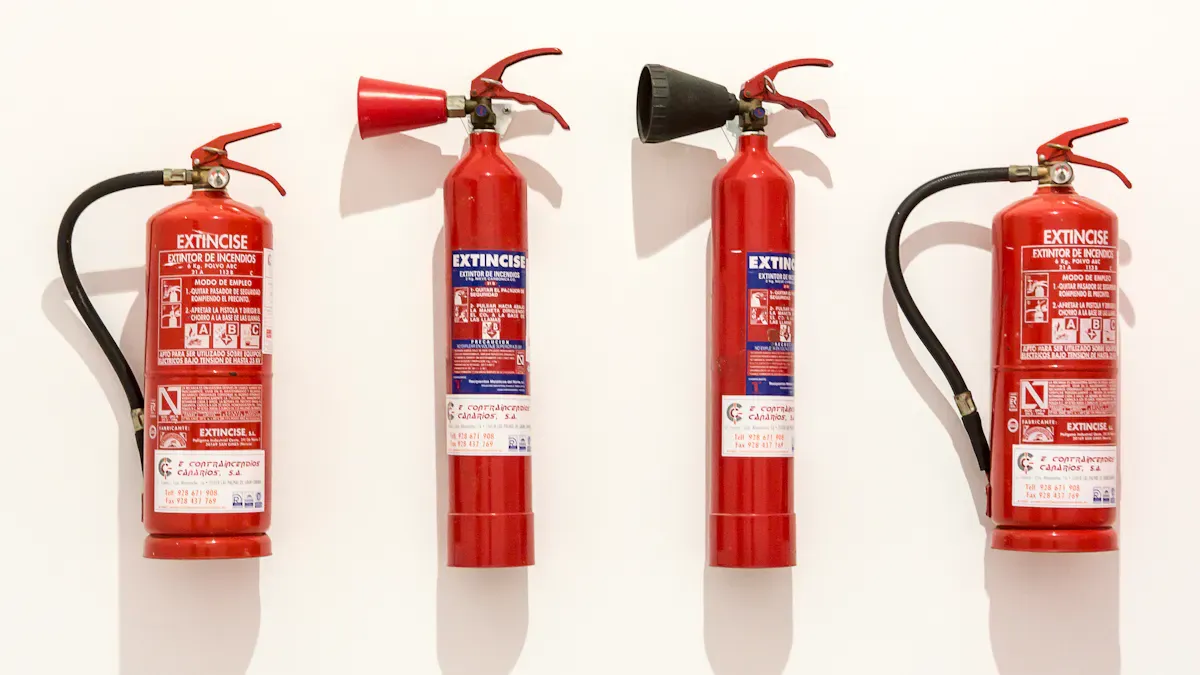
Factories and industrial plants face significant fire risks due to factors such as flammable materials, electrical hazards, and human error. Implementing effective industrial fire protection is essential for safeguarding personnel and assets. A robust fire protection system for manufacturing plants can significantly reduce these risks and enhance overall safety. Additionally, a comprehensive factory fire safety strategy, including a reliable fire detection system industrial and a factory fire suppression system, is crucial for maintaining a safe working environment.
Key Takeaways
- Implementing passive fire protection, like fire-rated walls and fireproof coatings, can contain fires and provide critical time for safe evacuations.
- Regular inspections and maintenance of fire protection systems, including fire extinguishers and alarms, are essential for ensuring their effectiveness and compliance with safety regulations.
- Investing in advanced fire alarm and sprinkler systems can significantly reduce fire-related injuries and property damage, enhancing overall safety in industrial environments.
Passive Fire Protection

Passive fire protection plays a crucial role in safeguarding industrial facilities. It involves using materials and design strategies to contain fires and prevent their spread. This approach allows for safer evacuation and more effective firefighting efforts.
Key components of passive fire protection include:
- Fire-rated walls and barriers: These structures prevent flames from spreading, providing critical time for occupants to evacuate.
- Fireproof coatings: Spray-applied coatings limit fire spread on structural elements, enhancing overall safety.
- Fire and smoke dampers: These devices automatically close upon heat detection, stopping flames from moving through HVAC systems.
The installation of fire-resistant barriers significantly impacts fire spread in industrial settings. Fire walls, for instance, offer a higher level of protection compared to standard barriers. They contain fires to their point of origin, preventing flames from spreading throughout the facility. This strategic compartmentalization is vital for maintaining safety.
Regulatory requirements also guide the implementation of passive fire protection. Standards such as NFPA 101 and the International Building Code mandate fire-resistance ratings for barriers. Compliance with these regulations ensures that facilities meet safety expectations and protect both personnel and assets.
Fire Alarm Systems
Fire alarm systems serve as a critical component of industrial fire protection. They provide early detection of hazards, allowing for prompt action to mitigate risks. These systems notify workers quickly, facilitating safe evacuations or suppression measures. A well-structured alarm system combines both manual and automatic alarms, enhancing overall safety.
The average response time of fire alarm systems in industrial plants ranges from 10 to 15 minutes. This response time can improve significantly with modern technology and enhanced emergency response workflows.
Recent advancements in fire alarm technology include:
- Advanced detection technologies: These innovations enhance early fire detection capabilities.
- Integration with automation systems: This integration is becoming essential for modern fire protection.
- Wireless devices: The use of wireless technology allows for more flexible installation and maintenance.
Additionally, smart technology enables remote testing and diagnostics of fire protection systems. High-sensitivity laser detectors and camera video analytics are now utilized for early smoke and flame detection. These innovations minimize damage while ensuring safety.
Fire alarm systems play a vital role in reducing fire-related injuries in industrial settings. Immediate warnings are crucial for workers when a fire occurs. A comprehensive fire alarm system ensures simultaneous monitoring, detection, and notification of emergencies. This capability is essential for ensuring rapid evacuation of building occupants.
Portable Fire Extinguishers
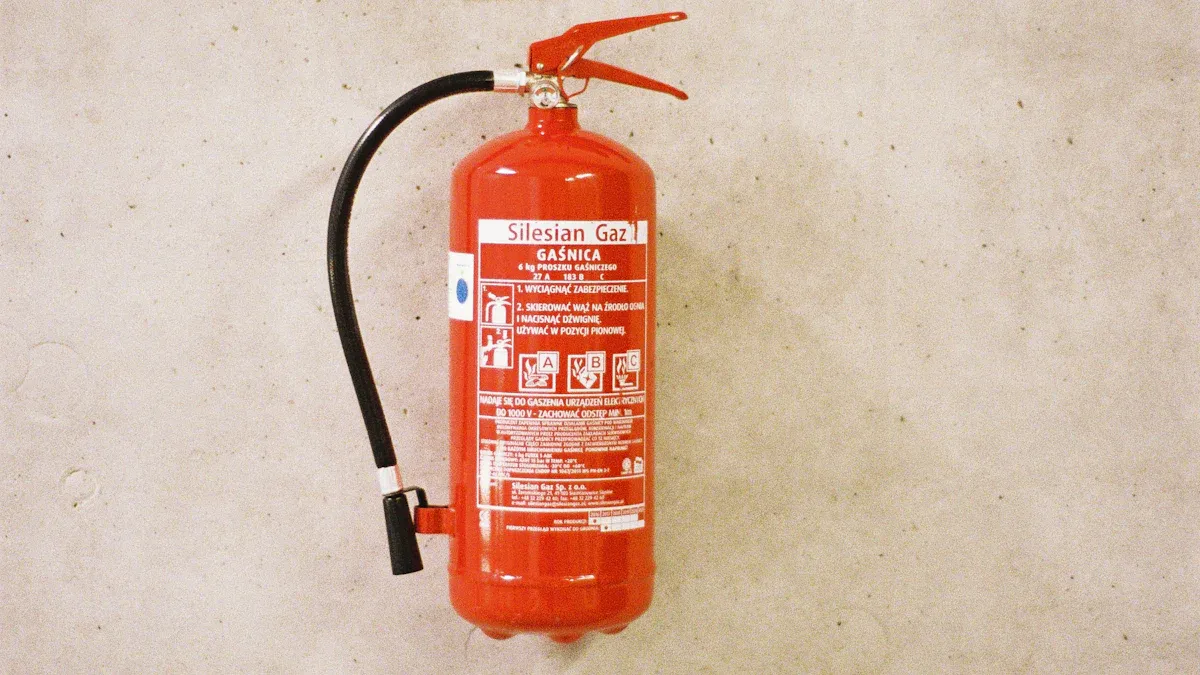
Portable fire extinguishers are essential tools for fire safety in factories and industrial plants. They provide immediate access to fire suppression, allowing personnel to act quickly in emergencies. When used correctly, these extinguishers can suppress 80–90% of small fires, making them crucial for controlling potential hazards before they escalate.
To maximize their effectiveness, workers must receive proper training on how to operate extinguishers. Familiarity with the different types of extinguishers is vital, as each type is designed for specific fire classes. For example, Class A extinguishers are suitable for ordinary combustibles, while Class B extinguishers target flammable liquids.
Regular inspections of portable fire extinguishers are necessary to ensure they function correctly. The following table outlines the recommended inspection frequency:
| Type of Inspection | Frequency |
|---|---|
| Visual Inspection | Once per month |
| Maintenance Inspection | Once per year |
| Internal Inspection | Every 5, 6, or 12 years |
By adhering to these inspection schedules, facilities can maintain compliance with safety regulations and ensure that their fire protection measures remain effective. Regular checks help identify any issues that may compromise the extinguishers’ performance.
Fire Sprinkler Systems
Fire sprinkler systems are vital for effective fire protection in industrial settings. These systems automatically activate when they detect heat, releasing water to suppress flames. Their rapid response can significantly minimize damage and protect lives.
Several types of fire sprinkler systems exist, each designed for specific applications. Common types include:
- Water Mist Systems: These systems utilize small droplets to create a vapor layer, reducing oxygen and temperature around the fire.
- Hybrid Fire Suppression Systems: These combine foam concentrate with water distribution, offering adaptable protection for various fire scenarios.
- Foam Deluge Systems: Effective in environments with flammable liquids, these systems are commonly used in refineries and chemical plants.
The cost of installing fire sprinkler systems can vary. However, they often provide substantial savings on insurance premiums. For instance, automatic sprinkler systems can reduce premiums by 5-45%, with comprehensive systems achieving reductions of up to 60%. In comparison, centrally monitored fire alarms may lower premiums by 5-10%.
| System Type | Premium Reduction Range | Requirements |
|---|---|---|
| Automatic Sprinkler Systems | 5-45% (up to 60% for comprehensive systems) | NFPA compliance, UL certification, regular maintenance |
| Centrally Monitored Fire Alarms | 5-10% (higher for advanced systems) | 24/7 professional monitoring, automatic fire department notification |
| Fire Extinguishers/Standpipe Systems | 2-5% | Strategic placement, regular inspection, part of comprehensive strategy |
Investing in fire sprinkler systems enhances overall industrial fire protection. These systems not only safeguard assets but also ensure the safety of personnel in high-risk environments.
Special Hazard Suppression Systems
Special hazard suppression systems protect industrial environments where traditional fire protection methods may not work or could cause damage. These systems target high-risk areas with hazardous materials, sensitive equipment, or extreme conditions. Industries such as power generation, chemical plants, aerospace manufacturing, data centers, and pharmaceuticals rely on these advanced solutions to maintain safety and operational continuity.
Common types of special hazard suppression systems include:
- Clean Agent Fire Suppression: Uses chemicals like Fluoro-K (FK 5-1-12), FM-200, and inert gases such as Argonite and Inergen. These agents extinguish fires without leaving residue, making them ideal for protecting electronics and sensitive machinery.
- Water Mist Systems: Release fine water droplets to cool fires and reduce oxygen. They work well where water supply is limited or where water damage must be minimized.
- CO₂ Fire Suppression: Displaces oxygen and cools flames, effective for industrial equipment and enclosed spaces.
- Dry Chemical and Foam Systems: Target combustible metals, flammable liquids, and fuel-based hazards with rapid coverage and suppression.
- Explosion Suppression and Isolation Systems: Detect and control industrial explosions to protect facilities from catastrophic damage.
These systems use specialty detection methods such as optical flame detection, gas sensors, air sampling smoke detection, and heat detection. They comply with standards like NFPA, FM, and UL to ensure reliability and reduce liability.
Special hazard suppression systems play a vital role in industrial fire protection. They provide rapid response and minimize fire escalation in complex environments. By tailoring solutions to specific hazards, these systems protect valuable assets and help factories maintain safe operations.
Preventative Maintenance
Preventative maintenance is essential for ensuring the reliability of fire protection systems in factories and industrial plants. Regular inspections and maintenance help identify potential failures before they escalate into emergencies. A well-structured maintenance schedule can significantly enhance the effectiveness of fire safety measures.
To maintain fire protection systems effectively, consider the following recommended practices:
- Develop a maintenance schedule tailored to each type of fire safety equipment.
- Employ certified fire protection professionals for inspections and maintenance.
- Regularly test fire alarms, check and replace batteries, and inspect sensors for obstructions.
- Visually inspect sprinkler heads for damage or corrosion; check valves, pipes, and water pressure.
- Examine fire extinguishers for pressure gauge status, physical damage, and intact safety seals.
- Test emergency lighting and exit signs, replacing bulbs as needed.
- Inspect fire doors for damage, proper operation, and intact seals.
- Change batteries in smoke and carbon monoxide detectors annually; test alarms and clean detectors.
- Schedule professional inspections for fire suppression systems and ensure no obstructions.
- Keep detailed records of all inspections, maintenance, and repairs for compliance and tracking.
Regular preventative maintenance offers numerous benefits. It prevents emergency repairs by identifying issues early, extends the lifespan of fire protection equipment, and reduces insurance premiums by demonstrating proactive fire safety management. Moreover, it ensures compliance with fire safety codes, protecting against catastrophic losses during a fire.
By prioritizing preventative maintenance, factories can maintain effective industrial fire protection and safeguard their personnel and assets.
Implementing comprehensive fire protection solutions is vital for safeguarding factories and industrial plants. These systems not only protect personnel but also minimize property damage. Regular assessments of fire safety measures can identify gaps, such as equipment failure or improper storage of flammable materials. Factories should prioritize proactive strategies to enhance their fire safety protocols.
Key Benefits of Comprehensive Fire Protection Solutions:
Benefit Description Specialized Systems Address unique hazards associated with industrial processes and equipment. Navigation Aid Ensure safe navigation during emergencies with passive fire protection. Reliability Regular maintenance is crucial for effectiveness and safety. Preparedness Evaluating measures helps businesses be ready for unforeseen emergencies.
FAQ
What are the most common fire hazards in industrial plants?
Common fire hazards include flammable materials, electrical equipment, and human error during operations.
How often should fire protection systems be inspected?
Fire protection systems should undergo inspections at least once a year, with monthly visual checks for portable extinguishers.
Why is employee training important for fire safety?
Employee training ensures workers know how to respond effectively during a fire, minimizing risks and enhancing safety.